|
Many chronic systemic health diseases that affect the body can affect the eyes, too. In fact, an eye examination sometimes gives the first indication that a systemic disease may be present in the body. The eye is composed of different types of tissue, making it susceptible to a variety of diseases as well as providing insight into many systems of the body. The eye structures are uniquely transparent and blood vessels can be clearly viewed by an optometrist. The health of these blood vessels at the back of the eye often indicates the health status of blood vessels throughout the body. The optic nerve and eye movements can reflect changes in the central nervous system. Almost any part of the eye can give important clues to the health or ill-health of other organs in the body. Signs of problems can be detected before symptoms become apparent, and disease can be diagnosed and treated early. Early detection and treatment is the key to better health. Diabetes
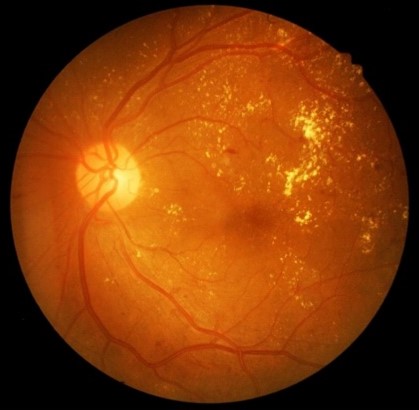
Diabetes is a chronic condition in which the body does not produce insulin or use it efficiently, resulting in abnormal blood sugar levels. Fluctuations in blood sugar can cause temporary vision changes, and over long periods of time uncontrolled diabetes can lead to more serious eye problems. Diabetic retinopathy is a condition in which the tiny blood vessels supplying the eye are affected causing progressive damage to the retina, gradual vision loss and sometimes blindness. Changes in the blood vessels of the retina or fluctuations in vision picked up by an optometrist are often the first signs of diabetes. People who have diabetes are also at higher risk of developing cataracts and glaucoma. High Blood Pressure (Hypertension) Blood pressure is the pressure of circulating blood pushing against the walls of the blood vessels. High blood pressure or hypertension is the condition in which that pressure is higher than normal. It can be linked to a number of health issues and eye conditions, such as hypertensive retinopathy. Like diabetes, high blood pressure can cause changes to the retina and damage to the blood vessels of the eye. The longer blood pressure remains high, the greater the risk of permanent vision problems. An optometrist is often the first person to suspect hypertension when changes in the blood vessels of the eye are found. |
||||
|
Autoimmune Diseases Autoimmune disease occurs when the body's natural defense system is unable to differentiate between its own cells and foreign cells, causing it to attack its own normal cells instead of fighting infections. There are over 80 autoimmune diseases that affect a wide range of body parts including the eyes. In many cases, problems with the eyes are among the first symptoms of autoimmune conditions. These can be irritating, such as red or itchy eyes, or more serious and debilitating, such as eye pain, vision changes or light sensitivity. Generally, treating the autoimmune disease will help control the eye problems associated with it. Rosacea Rosacea is a common inflammatory skin condition most prevalent in women. It usually affects the face and can involve the eyes. The symptoms include redness, dryness, itching, burning, tearing, and sometimes swollen eyelids and sensitivity to light. If caught early, it usually responds well to treatment, but it can lead to vision impairment and even vision loss if it becomes severe. Infectious Diseases Eye infections like pinkeye are relatively common, but other types of infections in the body can also affect the eyes and eyesight. Shingles is a painful viral infection that is characterised by rashes and blisters on the body. If the eye is involved, the virus causes blisters, swelling and redness around the eye and eyelid and, in severe cases, inside the eye, which can permanently damage the eyes and vision. Measles is an infection that may affect the eyes, resulting in conjunctivitis. Should the inflammation get worse, the condition can lead to infections of the cornea, corneal damage, infections of the optic nerve, and even vision loss. Liver Disease
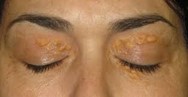
Liver disease such as cirrhosis can lead to a number of eye problems, such as dry, itchy eyes and xanthelasma, small collections of fat on the eyelids. Corneal damage and lens damage can occur if the condition goes untreated. Congenital liver disorders can affect almost any part of the eye. The yellowing of the eyes and skin are a well-known indication that something is wrong with the liver. |
||||
|
Nutritional Deficiencies A deficiency of certain nutrients whether due to poor diet or a health condition can have a negative effect on overall health and impact the eyes and vision. Vitamin A has an important role to play in maintaining optimal visual health, and a deficiency of this vitamin is linked to night blindness, dry eyes and corneal ulcers. Other nutrients that play a role in eye health include vitamin C, vitamin E, lutein, omega-3 fatty acids, and zinc. A deficiency in any of these can increase the risk of age-related vision conditions such as cataracts and macular degeneration. Sickle Cell Disease Vision loss and even blindness is a complication of sickle cell disease (SCD), a group of red blood cell disorders that is passed from parent to child. The abnormal red blood cells can lead to blocked blood vessels in the eye and cause damage to the retina. Regular eye examinations are critical in monitoring and managing this condition. Cholesterol Cholesterol is found in every cell of the body and plays an important part in digesting foods, producing hormones, and generating vitamin D. However, high levels of cholesterol can lead to serious problems including retinal vein occlusion, which occurs when cholesterol breaks off part of the blood vessel wall and causes a clot in the retina. AIDS In some cases, the first signs of AIDS are abnormalities in the retina. Other complications of AIDS include eye infections, eyelid tumours and vision problems related to the nervous system, such as optic nerve disorders and eye movement problems. Neurological Disorders
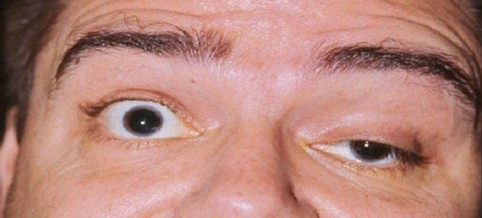
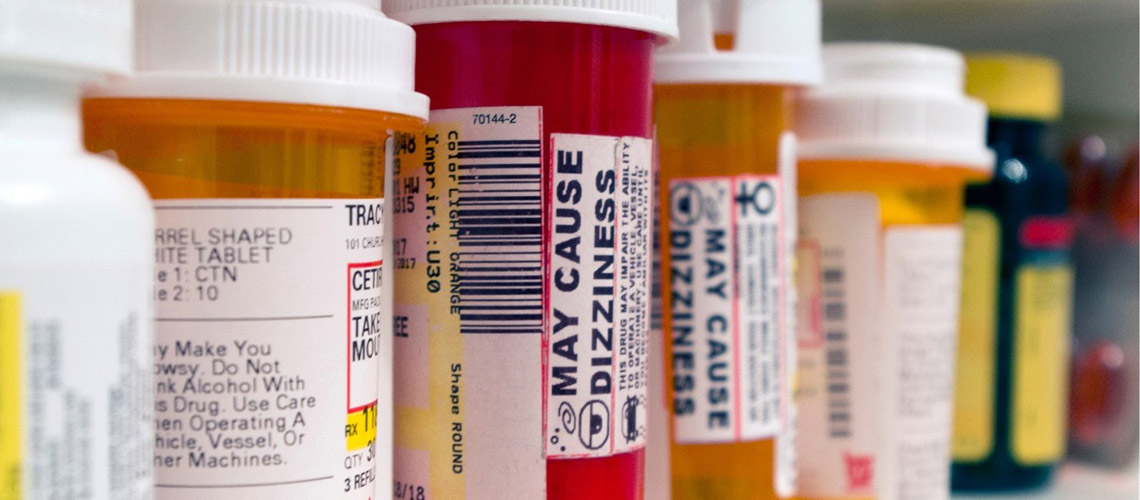
Neurological vision disorders are caused by conditions affecting the nervous system, such as multiple sclerosis and myasthenia gravis. These disorders can involve weakness of the eyelids and muscles that control eye movement, or they may affect the optic nerve itself, resulting in partial or full vision loss. Symptoms may include double vision, drooping of the eyelids, headaches, eye pain and sudden vision loss. Neurological diseases may be first suspected when an optometrist finds changes in eye movement, vision or the function of the optic nerve. With early diagnosis and treatment, symptoms can be controlled by medication, surgery or lifestyle changes. As well as being affected by chronic illnesses, the eyes are vulnerable to the negative side effects of medications that may be prescribed to manage these health conditions. It is important that your optometrist is made aware of any chronic condition you may have and the medications you are taking to manage the condition. Regular eye examinations are crucial to managing the visual effects of these conditions. |
||||