|
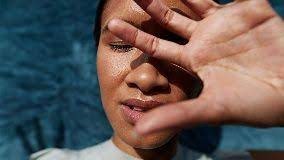
At some time or another we have all experienced sensitivity to light walking from indoors out to a bright sunny day or in a brightly lit room, but this passes quickly as our eyes adjust. However, some people experience extreme discomfort and even pain in bright light. Photophobia is increased sensitivity or aversion to light. It is typically a symptom associated with several conditions ranging from minor irritations to more serious problems, from problems related to the eye itself to general health conditions. EYE CONDITIONS THAT CAUSE PHOTOPHOBIA Dry Eye – Sensitivity to light is a classic dry eye symptom. The tears which are vital for the health and lubrication of the eyes are insufficient or of poor quality, leading to redness, burning, watering, the sensation of something in the eye and sometimes pain.
Artificial tears usually offer symptomatic relief, but in more severe cases your optometrist may suggest corticosteroid eye drops or plugs to block the tear ducts and prevent moisture from draining too quickly. |
||||
|
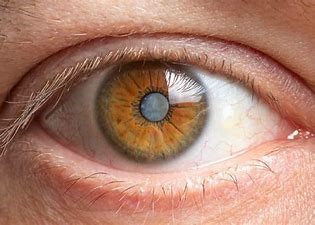
Allergies – Allergic conjunctivitis is an overreaction of the body to allergens such as dust, pollen or animal dander. Symptoms include sensitivity to light, itchiness, redness, burning and excessive tearing. Antihistamine medication may be prescribed if necessary. Keratitis – Keratitis is a corneal inflammation with a variety of causes including bacteria, virus, fungus or problems with contact lenses. Corneal inflammation can distort light entering the eye, causing sensitivity and other symptoms such as pain, redness, blurred vision, excessive tearing and discharge. Treatment depends on the cause. Corneal abrasion – A scratch or injury to the cornea is not uncommon and can happen if sand, dust or other particles get into the eye damaging the delicate eye tissue. It can cause sensitivity to light, along with pain, redness, tearing and headache. Treatment depends on the extent of the abrasion. It is advisable to visit your optometrist as it could lead to a corneal ulcer if it becomes infected. Keratoconus – The transparent outer layer of the eye is usually round, but in certain cases it can become cone-shaped. This abnormal shape prevents the eyes from focusing light correctly, which can distort vision and cause sensitivity to light. The exact cause is unknown, but it can be treated with glasses or contact lenses that counter the visual distortion, and sometimes the corneas stabilise over time. Uveitis – Uveitis is a group of inflammatory conditions that affects the eye. The uvea, the middle layer of the eye, is most often affected, but other parts of the eye can be affected, too. It may start as an eye infection or be part of an inflammatory disease such as psoriasis or multiple sclerosis. Symptoms can arise quickly and may include sensitivity to light, blurred vision, eye floaters, pain and redness. Treatment involves reducing the inflammation in the eyes and/or in the underlying disease. Cataracts – One of the symptoms of cataracts, the clouding of the lens of the eye, is sensitivity to light. Along with that there may be blurred vision, difficulty with night vision, fading of colours and frequent changes to the prescription of glasses or contact lenses.
|
||||
|
Retinal detachment – When the retina pulls away from the back of the eye there is usually a sudden onset of symptoms. These include flashes of light in the eye, floaters and loss of vision, often accompanied by light sensitivity. Retinal detachment is a medical emergency and treatment should be sought immediately to minimise the risk of permanent vision loss. Scleritis – Scleritis, inflammation of the white part of your eye is sometimes one of the effects of an immune system condition. Light sensitivity, eye pain, watery eyes and blurred vision are some of the symptoms. Inflammation-reducing eye drops help to alleviate the discomfort. OTHER CAUSES OF PHOTOPHOBIA Migraine - Light sensitivity is one of the primary symptoms of migraine. Others include nausea, vomiting, blurred vision, dizziness and a debilitating headache. Photophobia can accompany the most intense phase of a migraine or can occur within a day or two after the migraine resolves.
|
||||
|
Concussion – An injury to the brain, usually caused by a blow to the head can result in concussion accompanied by headaches, dizziness, nausea, confusion, tiredness and photophobia. These effects are not always immediately evident and are typically temporary. Preeclampsia – This is a complication of pregnancy that leads to high blood pressure along with symptoms such as severe headaches, nausea and shortness of breath. Sensitivity to light may be the result of retinal damage or swelling of the optic nerve. Conditions that affect the brain – Light sensitivity is commonly associated with certain conditions that affect the brain, such as encephalitis, meningitis, tumours and subarachnoid haemorrhage. Medications – A number of medications can induce photophobia. Some of these are certain antibiotics, diuretics, cancer treatments, anti-inflammatories and antimalaria medications. TREATMENT There are two aspects to the treatment of photophobia. One aspect involves treatment of the underlying cause if there is one, while the other aspect is focused on the relief of symptoms. The underlying cause may need to be medically managed, and your optometrist will make recommendations for the alleviation of symptoms. While the underlying condition is being treated, it may take days or even longer for the photophobia to improve. |
||||