|
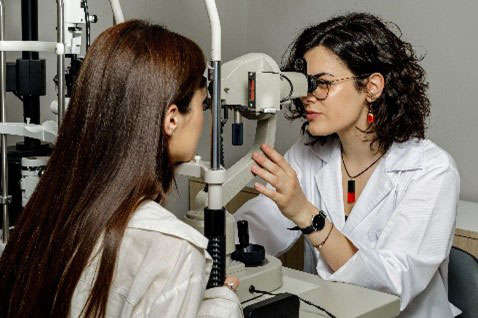
Do you visit your optometrist regularly or only when you aren't seeing clearly, or your glasses are broken? During a regular comprehensive eye examination good vision is just the beginning and all aspects of eye health are assessed. A number of eye diseases develop gradually with no symptoms until the disease is advanced and vision loss is irreversible. Early indications of eye disease are frequently noticed in an eye examination. This early detection is key to early treatment and an improved long-term outcome. When it comes to having good vision for a lifetime, it is important to be in good overall health. Many chronic health conditions that affect the body can affect the eyes, too. As well as picking up early signs of eye disease, a comprehensive eye examination can provide a full picture of general health, sometimes identifying early warning signs that may be the first indication that a disease may be present in the body even before symptoms are experienced, or a diagnosis has been made by a medical specialist. DIABETES
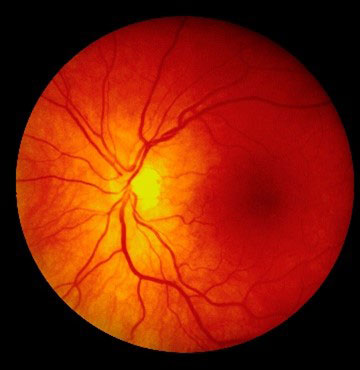
Diabetes is a chronic condition in which the body does not produce or process insulin effectively, resulting in fluctuating blood sugar levels. Temporary vision changes can occur as a result of these fluctuations, but long-term uncontrolled diabetes can result in more severe eye problems. Diabetes increases the risk of cataract and glaucoma development. Diabetes can cause damage to the blood vessels in the body. Over a period of time, the tiny blood vessels supplying the eyes are affected causing progressive damage to the retina and gradual vision loss. An eye examination can reveal changes in the blood vessels of the retina and signs of leaked blood or plasma. These are regularly monitored by an optometrist who will make a referral to a doctor for further testing, diagnosis and treatment. The earlier diabetic eye disease is managed, the better the chances of preserving vision. |
||||
|
HYPERTENSION
Hypertension or high blood pressure has been called "the silent killer" as it affects a large number of people, many of whom are unaware that they have it. Just like high blood sugar levels, high blood pressure can damage blood vessels. The blood vessels in the retina become thickened, reducing the blood flow and transport of nutrients to the delicate tissue of the eyes. Due to the shape and appearance of blood vessels in the back of the eye, hypertension can be detected during an eye examination, sometimes before it is diagnosed by a doctor. The health of these blood vessels at the back of the eye often indicates the overall health of the body's blood vessels. The longer the blood pressure is uncontrolled, the greater the damage to the retina and the risk of permanent vision problems. Early detection of the signs of hypertension by an optometrist can be lifesaving. |
||||
|
HIGH CHOLESTROL
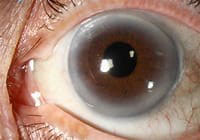
High cholesterol is among the easiest conditions to spot during a comprehensive eye examination, as the cholesterol deposits can manifest as a thin grey ring on the iris. This ring tends to appear with age and is more common in people with high blood cholesterol levels. Retinal vein occlusion due to high cholesterol can be detected in the retina, where blockages restrict blood flow to the back of the eye, causing temporary or permanent vision loss. |
||||
|
THYROID DISEASE Thyroid disease can make itself apparent through the eyes in several ways. The thyroid gland controls the hormones that regulate tear production. The symptoms of dry eye syndrome can sometimes be the first sign of thyroid disease. Graves' disease, which is caused by an overactive thyroid can affect the muscles around the eyes and lead to eye irritation, swollen eyelids, inflammation, double vision, and in more severe cases bulging eyes, decreased eye movement and incomplete closure of the eyes. LIVER DISEASE A well-known indication that something is wrong with the liver is the yellowing of the eyes and skin. Other problems that can result from liver disease like cirrhosis include dry, itchy eyes and xanthelasma, small collections of fat on the eyelids. If the condition is left untreated, it may cause damage to the cornea and the lens. NUTRITIONAL DEFICIENCIES
A lack of certain nutrients, whether due to a chronic health condition or a poor diet, can negatively impact overall health and the eyes and vision. Vitamin A is essential for maintaining optimal visual health, and a deficiency of this vitamin has been linked to night blindness, dry eyes, and corneal ulcers. Other nutrients that play a role in eye health include vitamin C, vitamin E, lutein, omega-3 fatty acids, and zinc. A poor diet can have many negative effects on overall health and wellness, increasing the risk of diabetes and high blood pressure as well as age-related vision conditions. |
||||
|
AUTOIMMUNE CONDITIONS Autoimmune disease occurs when the immune system attacks its body's own normal cells. There are over 80 autoimmune diseases, such as rheumatoid arthritis and systemic lupus, that affect various parts of the body including the eyes. In many cases, problems with the eyes are among the first symptoms of autoimmune conditions which cause an inflammatory reaction in a number of parts of the body and the eyes. Early on, people may experience red eyes, itchy eyes, or frequent dry eye. Later, there may be eye pain, light sensitivity, changes to vision quality, and even vision loss. NEUROLOGICAL DISORDERS Conditions that affect the nervous system, such as multiple sclerosis, can involve weakness of the muscles that control the eyelids or eye movement, or they may involve the optic nerve which conveys messages from the eyes to the brain. The eye movements and optic nerve can reflect changes in the central nervous system. An optometrist may notice problems with eye movement or with the appearance of the optic nerve itself and refer these cases for further testing and a confirmed diagnosis.
World Sight Day on 12th October aims to raise public awareness around the global issue of eye health. Take advantage of this opportunity to schedule a comprehensive eye examination. |
||||