|
In spite of all that parents do to try to keep their children safe, accidents do happen, and many of those result in eye injuries. Eye injuries can occur around the eye, on the eyelid and inside the eye, and certain vision problems may be the result of injuries to the head. Types of eye injuries include scratches or abrasions to the cornea, foreign bodies in the eye, chemical burns, blood in the eye, bruising around the eye, cuts on the eyelid and fractures of the bone around the eye. |
||||
|
Causes of Eye Injuries
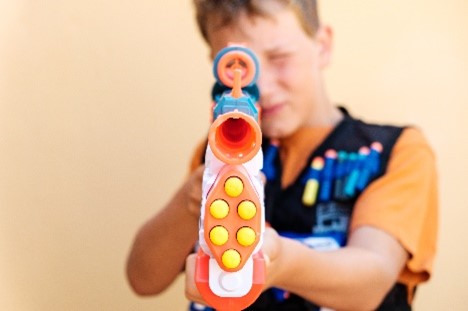
Approximately half of all eye injuries occur in the home, most of them being caused during play. Everyday objects in the home and garden are often involved in eye injuries, for example crayons, scissors, kitchen utensils, edges of furniture, sticks, tools and garden equipment which may cause debris to fly into the eyes. Household cleaners and aerosols can cause chemical burns to the eyes. Injuries can be caused by projectile toys, even those with soft projectiles, and toys with antennas, sharp edges and sharp points. Eye injuries are common while playing sport. It is never advisable for children to handle fireworks, firecrackers or even sparklers, as they pose a high risk of injuries. Children enjoy playing with flashlights and laser pointers; however, if shone directly into the eyes they can cause eye damage. |
||||
|
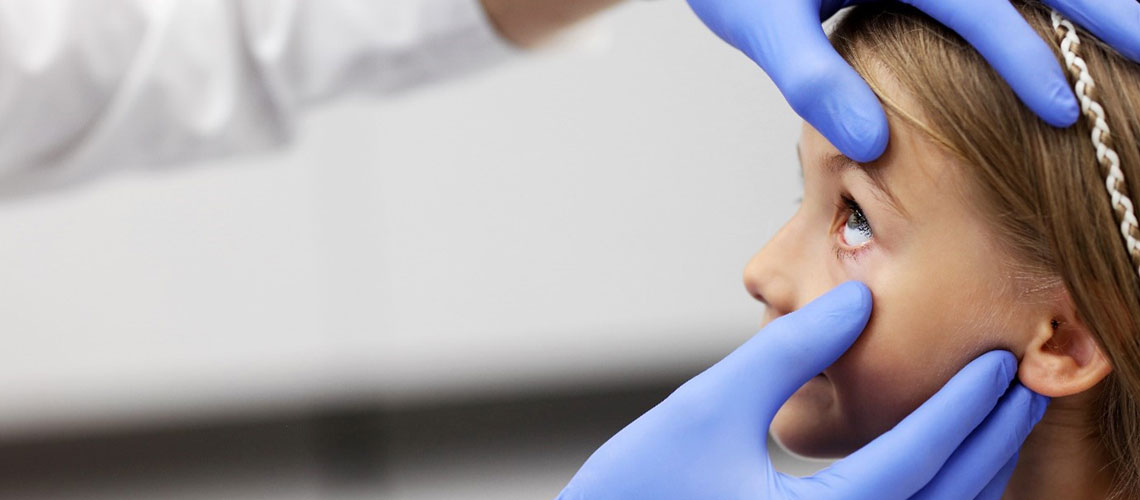
General Symptoms of Eye Injuries While there are sometimes no obvious symptoms of an eye injury, some of the more obvious symptoms may include blood in the eyeball, changes in the shape of the iris or pupil, watering, bleeding, redness in or around the eye, swelling of the eyelid, eye pain and sensitivity to light. What to do in the Case of an Eye Injury Even if the injury seems minor at first, it is recommended that you consult with a medical professional. Seek immediate medical care if the child has severe eye pain and has trouble seeing, something is stuck in the eye, the pupils look unequal, there is blood in the eye, the child was struck in the eye by a ball or other object, or the child complains of a headache or is vomiting after the injury occurs. |
||||
|
Responding to Eye Injuries
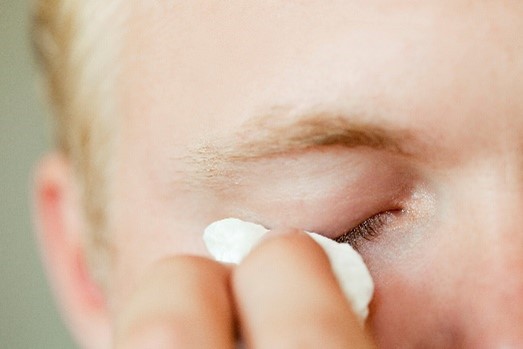
Some minor injuries can be treated at home or while waiting for medical care. Determine what caused the injury, apply appropriate first aid depending on the cause, and have the child checked by a doctor or optometrist. Wash your hands with soap and water before touching the eye, and do not apply any medication or ointment to the eye without consulting a medical professional. Gently cover cuts or puncture wounds with a protective shield such as a paper cup placed on the bone around the eye. Secure it in place with tape. Do not touch or rinse the eye. Do not bandage or put any pressure on the eye. Seek medical care. For debris or a foreign body in the eye, gently lift the eyelid and ask the child to blink rapidly to trigger the eye’s natural tears to flush out the particle. If that doesn’t work, rinse the eye for a few minutes with saline solution or lukewarm water. Do not try to remove the particle. If the child's eye was exposed to chemicals, flush the eye as soon as possible with a steady stream of room-temperature water for at least 15 minutes. An eye wash or saline solution may also be used. Consult a medical professional if the child has had a blow to the eye. It may be a medical emergency if he complains of pain, blurred vision, has blood in the eye, or if there is any change in the appearance of the eye or bruising around the eye. |
||||
|
Prevention of Eye Injuries
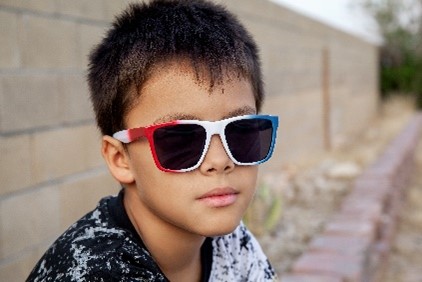
Take safety precautions when handling common household items that can cause serious eye injuries, such as paper clips, pencils, scissors, wire coat hangers and rubber bands. Keep all household and garden chemicals and sprays securely stored and out of reach of small children. As far as possible, childproof your home. When in the car, ensure that baby carriers and child safety seats are secure. Encourage the child to wear protective eyewear when playing sport and to wear sunglasses to block the damaging UV rays of the sun. Children will be children! While accidents and injuries cannot be completely avoided, helping them to be aware and practise safe behaviour can minimise their occurrence. |
||||