 |
||||
|
Exactly like humans, animals can suffer from various vision problems which can significantly impact their quality of life by compromising their ability to navigate their environment, find food, avoid predators and interact with others. These issues can arise due to congenital conditions, injuries, infections, age-related changes or even environmental factors. COMMON EYE PROBLEMS IN PETS Infections and Inflammation Conditions such as conjunctivitis, uveitis and keratitis are common in various species of pets and can lead to temporary or permanent vision problems. They can result from bacterial, viral, or fungal infections, allergies, autoimmune diseases or even trauma including a bump to the eye or something penetrating the eye. Corneal Ulcers
The cornea, the clear outermost layer of the eye, is susceptible to injuries and infections. Corneal ulcers are a common issue in animals, often resulting from trauma, bacterial or viral infections, or foreign bodies entering the eye. They can be caused by something as simple as a scratch from another animal or thorn or even eyelashes growing in the wrong direction. These ulcers are painful and can lead to vision impairment or loss if not treated promptly. Without treatment, they can very quickly turn from mild ulcers that are easily treatable with medication to severe ulcers that may need general anaesthetic and surgery to save the eye. |
||||
|
Glaucoma Glaucoma is a condition characterised by increased pressure within the eye, leading to damage to the optic nerve and progressive vision loss. It is a severe and painful condition that affects many animals, particularly dogs and cats. If not treated promptly, it can lead to partial or complete blindness. Sudden onset glaucoma is considered a medical emergency and needs immediate treatment. Cataracts
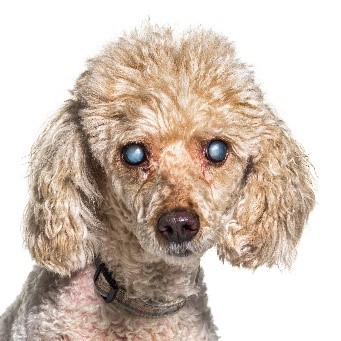
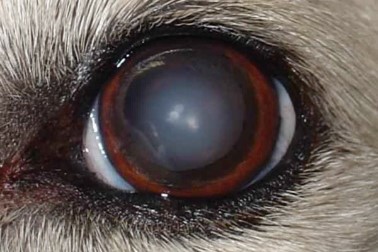
Cataracts are a common cause of vision impairment in animals, particularly in older pets. A cataract occurs when the lens of the eye becomes cloudy, leading to blurred vision. It is prevalent in dogs, especially in breeds like Poodles, Cocker Spaniels, and Boston Terriers, but can also occur in other animals, including cats and horses. In some cases, cataracts are inherited, while in others, they may result from diabetes, trauma, or prolonged exposure to ultraviolet light. |
||||
|
Congenital Conditions Certain pet breeds have a genetic predisposition for eye problems and are born with vision problems due to these genetic defects. These congenital conditions can range from minor issues like mild shortsightedness to more severe problems like blindness. Retinal Diseases Various retinal diseases can cause vision problems in animals. Progressive Retinal Atrophy is one such condition commonly seen in dogs, in which the retina gradually deteriorates, leading to blindness. Retinal detachment can also lead to vision loss and requires immediate veterinary attention. Dry Eye Syndrome Dry eye syndrome in dogs is characterised by decreased or inadequate tear production. As well as containing antibacterial proteins, white blood cells and enzymes, tears are important for lubrication and keeping the eyes clear and free of debris and irritants. Dry eye syndrome may occur due to medications, infections or immune system dysfunction. Cherry Eye
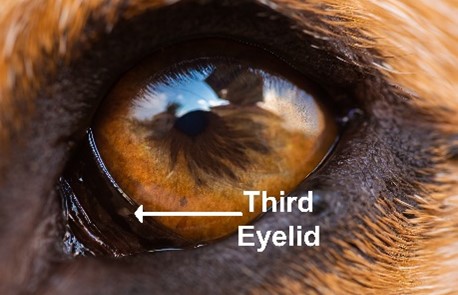
Unlike humans, many mammals, including dogs, have three eyelids rather than two. The third eyelid is located inside the lower eyelid and serves as an additional protective layer for the eye. Cherry eye is caused when the tear gland in the third eyelid becomes swollen and red, covering part of the eye. It appears as a red, swollen mass on the lower eyelid near the nose or muzzle, resembling a cherry. The cherry eye may be large and cover a significant portion of the cornea, or it may be small and appear only periodically. |
||||
|
Age-Related Vision Changes
Like with humans, as animals age, their eyes undergo various changes that can lead to vision problems. One common issue is nuclear sclerosis, in which the lens becomes denser and less flexible, leading to a bluish-grey appearance in the eye and decreased vision. While this condition is often mistaken for cataracts, it is less severe and usually does not require treatment. However, other age-related issues, such as cataracts or retinal degeneration, may necessitate intervention. |
||||
|
SIGNS TO LOOK OUT FOR Animals cannot verbally communicate their vision problems, and eye problems may go unnoticed, especially in boisterous animals, so it is important for pet owners to be aware of the signs of a visual problem that may necessitate a visit to the vet. Symptoms may include:
TREATMENT OPTIONS FOR VISION PROBLEMS IN ANIMALS
The treatment of vision problems in animals depends on the underlying cause and severity of the condition. Some common treatments include eye drops, ointments, oral medication, surgery or environmental modifications to help animals with vision loss adapt. Regular eye examinations are crucial, particularly for breeds predisposed to vision problems. Early detection and treatment can prevent many conditions from worsening. Vision problems in animals are diverse and can significantly impact their quality of life. By understanding the common causes, recognising the symptoms, and seeking prompt veterinary care, pet owners can help manage and treat these issues effectively, ensuring their pets continue to live happy, healthy lives. |
||||