|
A good night's sleep is one of the pillars of physical and mental health and well-being. As well as being vital for maintaining critical body functions and protecting the body against certain chronic diseases, sleep is necessary to restore energy, repair muscle tissue and allow the brain to process new information. We are all familiar with how we feel and look when we are sleep deprived, but not only does lack of sleep affect the appearance of the eyes, it can interfere with eye health, too. Once the eyes are closed after a day of visual processing and stimulation, they continue to function in a limited way by sensing light, for example the rising sun or a bright light being switched on. They do not actively process visual imagery, essentially taking a break and recharging in preparation for the next day's visual demands. The eyelids serve as a shield protecting the closed eyes from light and helping to preserve moisture and prevent the eyes from drying out.
Throughout the night we constantly pass through five stages of sleep. During stage one, the eyes roll slowly and open and close slightly, but they remain still during the deeper sleep stages two, three and four. The fifth stage is REM (rapid eye movement) sleep, in which we spend about 20% of our total sleep time. During REM sleep, when the muscles of the body are relaxed, the eyes move around rapidly in a range of directions, but don't send any visual information to the brain. The visual cortex of the brain, which is responsible for processing visual data, is active, but does not process visual information. Rather, this activity serves part of a memory forming or reinforcing function which consolidates the memory with experiences from the day. This is the stage during which most people dream.
The amount of sleep we need each night varies from person to person, but generally it is recommended that healthy adults have 7 to 9 hours per night, with children and adolescents needing more. Some of the effects of not getting enough sleep include dark circles under the eyes, puffiness, red, itchy eyes, and involuntary twitching of the eyes. While these effects may be uncomfortable and unattractive, there are other more serious effects. Without sufficient sleep, the fluid circulation of lubricating tears is less efficient resulting in or exacerbating dry eyes. Not only is this an irritating condition, but it can compromise eye health. Sleep apnea has been linked to vision problems resulting from a decreased supply of blood and oxygen to the optic nerve, and some studies have reported a link between glaucoma and sleep difficulties.
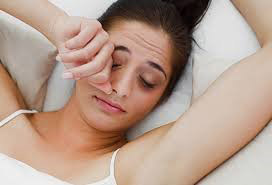
Upon waking, most people need to wipe away the substance that is often left in the corners of the eyes. Legend has it that this is proof of a night-time visit by the Sandman, the mythological character who sprinkles grains of sand into our eyes to induce sleep, invoke beautiful dreams and prevent the eyes from opening until morning. He first appeared in a story by Danish writer Hans Christian Andersen. The Sandman occurs repeatedly across the world by word of mouth, in stories, film and songs, sometimes portrayed as kind and benevolent and at other times as a more sinister figure who punishes children who refuse to go to sleep!
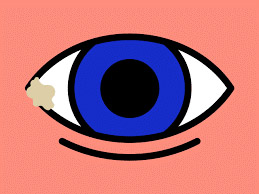
In fact, this substance in the corners of the eyes is rheum, a thin mucous made up of bacteria, oils, dust and discarded cells, residue from the eye's natural protective process. When we are awake, a tear film keeps our eyes moist and healthy, as rheum is flushed away with tears as we blink. When our eyes are closed in sleep, the tears continue to wash over the eyes picking up debris, which the eyelids guide towards the corners of the eyes and along the eyelashes where it accumulates. The presence of a clear or whitish discharge is normal and no cause for concern. Signs that there may be a problem include more discharge than usual, changes in colour or consistency, trouble opening the eyes in the morning because the lids are sticking together, redness or swelling of the eye, or eye pain. Excessive tearing or abnormal discharge may represent the eye's attempt to improve lubrication or fight infection or allergens. Should any concerns arise, discuss them with your optometrist.
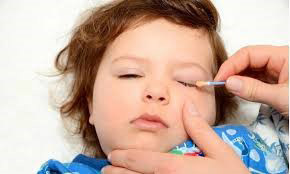
It is tempting to rub the eyes and remove the discharge with the hands on waking but there is a risk of infection. Rather use a cloth or cotton wool soaked in warm water to gently clean the eyes. If there is an infection which may be contagious, use a separate cloth for each eye and do not share face cloths or towels with family members. Wash your hands before and after cleaning the eyes. Always remove eye makeup before going to bed. Good eye hygiene can go a long way toward keeping the eyes healthy and avoiding irritation and infection. Not having had a restful night's sleep is one of the reasons that some people wake up with dark circles under the eyes. Sleep deprivation can cause the skin to become dull and pale, allowing for dark tissues and blood vessels beneath the skin to become more visible. Lack of sleep can also cause fluid to build underneath the eyes, causing them to appear puffy. As a result, the dark circles may actually be shadows cast by the puffy eyelids. Other factors that may contribute to the condition include eye strain, allergies, dehydration, overexposure to the sun and the natural aging process.
For most people dark circles are a temporary condition and generally of no concern. There are medical treatments available to reduce their appearance, but home remedies are usually effective. A cold compress can help eliminate dark circles by reducing swelling and shrinking dilated blood vessels. Cold tea bags applied to the eyes have a similar effect, with the added benefit of the caffeine and antioxidants in the tea helping to reduce fluid retention. Elevating the head with extra pillows helps to prevent pooling of fluid under the eyes, making them less puffy. Makeup can help to camouflage dark circles, but some products may worsen the symptoms or trigger an allergic reaction so choose cosmetic products with care. The obvious solution to dark circles is to catch up on sleep. Often more easily said than done, but the benefits are far-reaching in terms of both eye health and physical well-being. |
||||||||||||||||||||||||