|
When it comes to eye health and vision, men and women aren't created equal! Worldwide, two-thirds of all cases of blindness and visual impairment occur in women. Women typically live an average of 5 years longer than men do, and they tend to remain healthier longer. The downside is that a woman's increased life expectancy has implications for her visual health. According to a survey, a large percentage of women believe that men and women are at equal risk for eye disease and vision loss. The same survey found that women are less likely than men to have regular eye examinations or to access health care in general. Risk Factors for Women
Age is a major risk factor for eye conditions like glaucoma, cataracts, macular degeneration, diabetic retinopathy, and dry eye syndrome. Women are also more likely to suffer from autoimmune conditions which are often accompanied by visual side effects. Among these is lupus, rheumatoid arthritis and multiple sclerosis. Throughout their lifespan, women experience a significant amount of hormonal fluctuation, ranging from puberty to pregnancy and menopause, during which time there are surges of estrogen which can impact the eyes. Some medications, whether over-the-counter or prescribed by a medical professional, can pose risks to eye health. These include corticosteroids, some antidepressants, certain antihistamines, birth control pills and some cancer treatments. Overall, women tend to take more medication than men do. |
||||||||||||
|
Protecting Eye Health
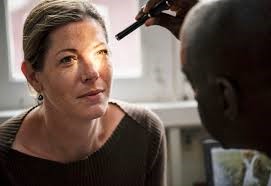
Taking a preventative approach to eye care is the best way to protect and preserve eye health and vision, and to decrease the chances of developing age-related eye conditions. Women are generally caregivers and tend to put the needs and concerns of family members before their own, sometimes neglecting their own health care. Making your health care a priority will hopefully improve your health and positively influence the people around you. Visit your optometrist for a comprehensive eye examination. Eye conditions such as glaucoma and macular degeneration develop gradually without symptoms over a period of time. Your optometrist can detect the early signs of these conditions as well as health conditions like diabetes before symptoms appear, at which stage damage that may have been prevented has already occurred. As well as these regular check-ups, be aware of changes in your vision that may signal eye disease and make an appointment for an eye examination. Many eye conditions run in families, so know your family history and inform your optometrist of any hereditary vision problems in your family.
Lower your risk of eye disease by eating a well-balanced diet rich in vitamins A, C and E, Omega-3 fatty acids and zinc to support eye health. Fresh fruit, green leafy vegetables, vegetables high in beta carotene like carrots and squash, and food containing omega-3 fatty acids, such as salmon and flax seeds all contribute to maintaining the health of the eyes. Include nuts, beans, eggs and other nonmeat protein sources in your diet, and drink plenty of water. Smoking is linked to certain eye conditions; it may be difficult to quit, but even reducing smoking can reduce your risk of eye disease. Chronic health conditions like diabetes or high blood pressure can have a negative impact on the health of the eyes. Keep them under control with regular medical monitoring.
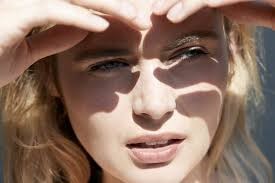
Prolonged exposure to sunlight can increase the risk of developing cataracts and age-related macular degeneration. To protect your eyes from the sun's harmful rays, wear sunglasses that block out 99 to 100 percent of both UVA and UVB light. With the hormone changes during pregnancy, many women experience unexpected problems with their eyes. Although most vision changes are a temporary aspect of the normal process of a healthy pregnancy, some may signal an underlying problem. Report any vision changes to your doctor and optometrist. The more women know about the risks to their eye health, the better. Regular eye examinations, early detection and treatment are the key to preserving vision. |
||||||||||||