|
We have had a particularly cold winter, so we are looking forward to warmer weather, lighter clothes and the scent of jasmine in the air. However, for some people the arrival of spring signals allergies and all that those bring: the runny nose, scratchy throat, red itchy eyes and non-stop sneezing. Added to these irritating symptoms, the times we are living in make us question if we have allergies, an eye infection or even COVID. The symptoms may be similar or overlap, but the causes and treatment differ.
Eye allergies or "allergic conjunctivitis" fall into four basic categories. The most common of these is seasonal conjunctivitis which is triggered by allergens in the air, such as pollen and grasses at certain times of the year. Allergies to dust or pet dander, among others, last all year round, and are known as chronic conjunctivitis. Contact conjunctivitis occurs in response to perfume or chemicals. An allergy to contact lenses can cause bumps on the inner eyelids and red sensitive eyes. Eye infections can come from many causes — virus, bacteria, parasite or fungus. Generally, when compared to allergies, infections have more symptoms. The rule of thumb is that if there is anything more than a clear tear-like discharge from your eyes or you feel eye pain, it is likely to be more than allergies. While eye allergies are typically not contagious, many eye infections spread easily from one person to another. It is understandable that one might panic and suspect that they have COVID rather than allergies, but there are certain key differences between their symptoms. If you are an allergy sufferer, your symptoms will probably be familiar as they are experienced frequently. Additional unfamiliar symptoms including fever or breathing difficulty may indicate the need for medical intervention. |
||||||||
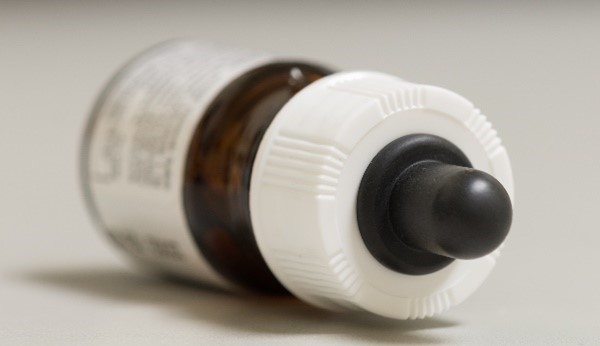
Eye drops or oral medications usually relieve the symptoms of eye allergies, infections or those associated with various eye conditions. But they are not a one-size -fits-all solution. While some symptoms may overlap and seem similar, this does not mean that the same remedy will work in all situations, as they work in different ways. All eye drops, like all medications, need to be used with caution and awareness. Many over-the-counter eye drops are effective in treating symptoms of various eye conditions. They are a convenient, but often temporary means of relieving uncomfortable symptoms. Some eye drops contain preservatives, giving them a longer shelf life so that one bottle can be used over a period of time. However, the preservatives themselves can exacerbate the irritation of the eyes, so their use needs to be limited. |
||||||||
With our ever-increasing attachment to computers and phones, we tend to blink far less frequently than normal, reducing the constant lubrication of the eyes that blinking provides. Artificial tears are used to maintain moisture in the eyes and provide lubrication if natural tear production dries out or the quality of the tears is compromised. Preservative-free artificial tears are some of the safest eye drops and can be used as often as necessary. Medicated eye drops contain an ingredient which helps to soothe and reduce redness and irritation in the eyes by clamping down on dilated blood vessels. While they ease redness, they may also slow down the blood flow to the sclera, the white part of the eye, decreasing the oxygen and nutrients being carried to the eye. Prolonged use of these eye drops is not recommended as they can have a 'rebounding' effect, resulting in an increase in eye redness and a cycle of persistent redness and irritation. Depending on the cause of the redness, artificial tears may be more helpful in soothing it. Eye drops used for allergies contain antihistamines to relieve the symptoms of itchy red eyes. Some even work to prevent the allergic reaction before symptoms start. Short-term medications such as steroid or anti-inflammatory eye drops may be used to control inflammation. Artificial tears can be helpful in keeping the eyes moist and flushing out allergens.
Eye infections caused by a virus usually clear up on their own, but a cold compress and lubricating eye drops can ease symptoms. Antibiotic eye drops may be prescribed to treat a bacterial eye infection. For eye infections caused by fungi and parasites, the medication will depend on the cause of the infection. A consultation with your doctor or optometrist may be necessary to deal with this. When selecting and applying eye drops, there are a number of guidelines to ensure the safety of the eyes. If you have previously experienced a similar problem with your eyes, you may have eye drops left over. Before re-using them, check their expiry date as expired eye drops may no longer be effective. If you are buying over-the-counter eye drops, read the label carefully, seek in-store advice or, better still, talk to your optometrist– there are a host of eye drops which treat a variety of eye problems and choosing the wrong one could do more harm than good. We often mistakenly assume that 'more equals better', that using more of something will lead to quicker results. Overuse or underuse of eye drops could have unintended consequences, so follow recommended dosage and directions for a more effective outcome. Certain eye drops are suitable for use with contact lenses, while others may lead to problems. Your optometrist can recommend the drops appropriate for you as a contact lens wearer. |
||||||||
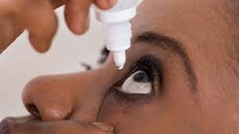
When applying eye drops, tilt your head back or lie down. Instead of blinking, which can cause some of the drop to leak from the eye, close your eye and press lightly on the corner of the eyelid next to the nose. This will close the tear duct and prevent the eye drops from draining. To avoid contamination of the eye drops, be careful to avoid touching the eye or any other surface with the tip of the applicator. Replace the lid as soon as you have finished applying the drops. If your eye symptoms persist for more than a day or two, or you find that you are needing to use your eye drops more frequently, make an appointment to visit your optometrist. Sometimes symptomatic relief of problems may mask an underlying condition which needs to be investigated and treated. |
||||||||