|
The effects of cigarettes and tobacco on health are widely known but smoking also has a direct impact on eye health and vision. Toxins inhaled when smoking end up in the bloodstream and are distributed throughout the body, including the eyes. This can lead to various eye and vision problems. Tobacco smoke does not only affect the eyes internally. It can also affect the tissues around the eyes, causing puffiness under the eyes and inflammation of the eyelids. It has been shown to have an impact on the area of the brain that processes vision. How does smoking cause vision problems?
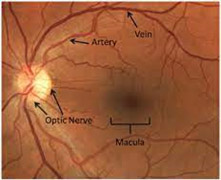
The retina at the back of the eye is responsible for humans being able to see. The macula is a small section in the centre of the retina which plays a crucial role in our central vision, most of our colour vision and allowing us to see fine detail. Peripheral vision is located in the rest of the retina. Damage to the macula due to the aging process, ultraviolet light and other factors cannot be entirely prevented, but smoking accelerates the damage. Many vision problems, especially the ones that can eventually cause blindness, occur because of damage on the macula. Smoking affects the body's circulatory system, damaging blood vessels, including the tiny blood vessels in the eyes, causing them to become fragile and prone to breaking down and leaking, and decreasing their ability to carry oxygen and nutrients to the retina. Even if one's diet contains the essential nutrients for eye health, smoking reduces the body's absorption of vitamins and minerals, such as vitamins A, C and E, as well as zinc, beta-carotene, lutein and zeaxanthin, which help maintain sharp vision and protect the eyes from harmful free radicals. |
||||
|
Which eye conditions are associated with smoking? Smoking increases the risk of diabetes, and one of the complications of diabetes is diabetic retinopathy, a progressive condition characterised by damage to the tiny blood vessels in the retina. These damaged blood vessels break down and leak, resulting in fluid build-up behind the retina, eventually leading to vision loss if not detected and treated early. Age-related macular degeneration (AMD) is a condition that severely impairs central vision, making it difficult or impossible to read, drive and recognise faces. If left untreated, AMD can lead to permanent vision loss and blindness. Smokers generally develop the condition on average 5 years earlier than non-smokers. Research also suggests that people who smoke have lower levels of lutein and zeaxanthin, which are responsible for protecting the macula from ultraviolet radiation, another risk factor for AMD. Free radicals cause deposits to form on the surface of the eye's lens, leading to cataract development. By increasing the free radicals in the eyes, smoking can double the risk of developing cataracts.
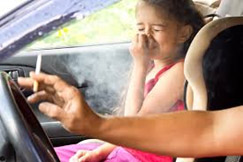
Smoking more than doubles the risk of developing uveitis, an inflammation of the uvea, the central layer of the eye, which is rich in blood vessels carrying blood and nutrients to the eye. Uveitis can damage the retina and the iris, exacerbate other eye conditions and result in vision loss. Exposure to smoke, either second hand or as a smoker, increases the risk of developing dry eye syndrome or may worsen the discomfort and irritation if the condition already exists. Contact lens wearers who smoke are more likely than non-smokers to suffer from dry eyes. Allergic conjunctivitis is a reaction in the eyes caused by an allergen. While there are many allergens, including perfumes, swimming pool chemicals and pollen, smoke is one of the more common ones. A study conducted on children revealed that their risk of developing allergic conjunctivitis as well as vision problems later in life, was increased by passive or second-hand smoke. |
||||
|
Elevated pressure in the eyes, which is typically associated with glaucoma, has been found more often in smokers. Glaucoma gradually damages the fibres of the optic nerve which carries visual messages to the brain. The damage is irreversible and, if untreated, can eventually lead to vision loss and blindness.
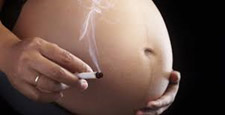
Smoking during pregnancy can lead to premature birth and increases the chances of the baby suffering from a visual disorder known as retinopathy of prematurity, which is due to the blood vessels in the retina not having developed properly. Heavy smoking can interfere with colour and contrast vision. |
||||
|
Can eyesight and vision improve after giving up smoking? Studies have found that after quitting smoking the risk of suffering from some eye disorders is considerably reduced. One study tested the eye pressure of smokers immediately after smoking and 12 hours later and reported a significant decrease in the eye pressure. Certain eye conditions are progressive, and the progression can generally not be reversed, but it can be slowed down or even stopped by giving up smoking, adopting a healthy lifestyle and having regular eye examinations. Eye health goes hand in hand with overall health.
WORLD NO TOBACCO DAY |
||||