|
A child's ability to grow and learn depends to a large extent on the optimal development of the visual system. Undetected and untreated problems with the eyes can impact various areas of the child's development and his performance both in and out of the classroom. The visual system continues to develop during the first seven to eight years of life. The earlier problems are diagnosed, the earlier they can be managed and the better the long-term outcome will be. At what age can a child have an eye test and wear glasses? Very young children can have a visual examination and receive glasses as soon as they need them. This means that infants of just a few months old can wear glasses if necessary. Some eye problems require treatment other than glasses and the sooner this is started the better. Why would young children need glasses? Children may need glasses for several reasons, many of which are different than for adults. The main reasons are to improve their vision, to help straighten crossed or misaligned eyes, to strengthen vision in a weak or ‘lazy' eye, or to provide protection for one eye if vision is poor in the other eye. Glasses may play an important role in ensuring normal visual development. How would you know that your child might need glasses? It is unlikely that your child will tell you that he is having problems with his eyes. He may be unaware that he sees differently from those around him, or if he does realise that something is not right, he may be unable to express what is bothering him. Certain signs and behaviours can alert parents, and sometimes teachers to the problem. By squinting your child may be able to temporarily improve the sharpness of his vision, allowing him to compensate for his inability to see clearly. The effort required to bring objects into focus and make the world clearer, may lead to headaches or nausea. Your child might close or cover one eye or tilt his head to adjust the angle of vision or to compensate for double vision. This could be an indication that he sees better out of one eye than the other, one eye is significantly weaker than the other or that the eyes are misaligned. These conditions can range from being of little concern to being severe, so it is advisable to schedule an eye examination.
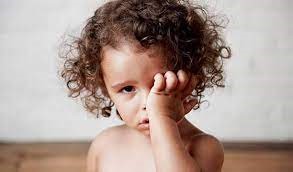
Children may rub their eyes frequently because they are experiencing eye strain or fatigue due to the effort they are required to make when trying to see clearly. This could be a sign of many types of vision problems and conditions. Frequent eye rubbing due to itchiness may signal an allergy. Excessive tearing can suggest eye strain, some sort of infection or dry eyes which cause the eyes to water excessively. It may also be due to a blocked tear duct in one or both eyes, preventing tears from draining into the nose and causing them to spill over onto the cheeks. When toddlers are learning to walk, they may bump into objects or fall frequently but if clumsiness continues beyond the toddler stage, it may be related to a vision problem.
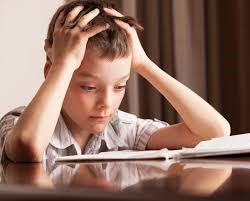
Needing to sit close to screens or hold books close to the face to read is often an indication of a problem with the eyes. Being too close to digital screens can have a detrimental effect on the eyes over time, so the sooner this is managed the better. Signs of a visual problem in school-age children include losing their place while reading, skipping words or lines, or using their finger to follow the written words. Because children need to quickly and accurately adapt their visual focus from distant to near and on a number of different objects in the classroom, a child with a visual problem may have difficulty concentrating. Many children will demonstrate at least one of these behaviours from time to time. However, if they persist, become worse or begin to interfere with daily activities or school performance, make an appointment for a comprehensive eye examination. If your child already has glasses, it is important that his eyes are regularly checked by an optometrist. |
||||||||
|
How will I get my child to wear glasses?
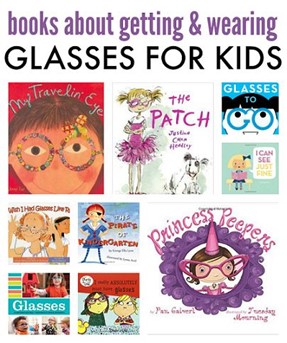
Many parents have expressed this concern, but with patience and encouragement it can be achieved. Don't rush the process – start slowly by getting the child to wear the glasses for a short period each day and gradually building up. Involve the child by letting him choose his own frame and being responsible, with adult supervision, for cleaning and caring for the glasses. Encourage him to ask the optometrist questions and voice his concerns. It is sometimes helpful for the child to relate to someone he admires who wears glasses, like a sporting hero or movie star. Harry Potter did wonders for children who need glasses! Check regularly that the glasses are comfortable and go back to your optometrist for adjustments if necessary. In time the child will appreciate how his improved vision helps him to see and function in his world more clearly. |
||||||||