|
Keeping your glasses clean is not simply a matter of keeping them in good condition but is also important for the protection of your eyes. Because your glasses are being worn and touched constantly in many different situations, it is inevitable that the lenses will become grimy. Smudges or dirt may be irritating, but they can also cause your vision to be blurred and lead to eye strain and headaches. Bacteria can accumulate on the frames which may be harmful to the eyes and the sensitive skin around them. While you may be afraid of cleaning your glasses thoroughly for fear of damaging them, following simple guidelines will ensure that both your glasses and eyes are protected. DO'S and DON'TS
Wash your hands thoroughly before you start to clean your glasses, so that dirt and oils on your skin will not inadvertently end up on your glasses. When removing your glasses, use both hands or take them off from the centre of the frame. Taking them off with one hand may cause misalignment of the frame and eventually weaken or break it. Hold the frames firmly on the nose piece. This way you will avoid accidentally bending the frame out of shape. Run a gentle stream of warm water over the glasses to get rid of dust or other particles that can scratch the lenses. Hot water can damage the glasses, and cold water may not clean them sufficiently. While it may sometimes be tempting to use saliva to get rid of smudges on lenses, this will spread bacteria and make the smudge worse. |
||||
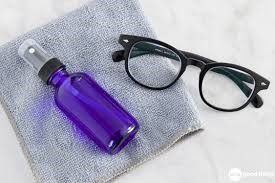
You can use a gentle cleaning solution or alcohol-free spray that is specifically for cleaning lenses. Spray or use a single drop of dishwashing solution on both sides of the lenses. Using too much will leave a soap residue on the lenses. Gently rub it over the lens surface and rinse if using soap. Don't use products with acetone, for example nail polish remover, as it is destructive to both lenses and frames. Pre-moistened wipes are generally not recommended, and cleaners made for windows or bathrooms are too harsh for glasses. Shaking off excess water droplets and allowing your glasses to air dry will avoid streaks and water marks. |
||||
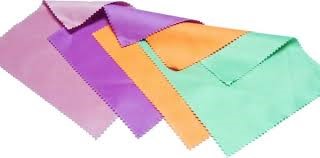
Alternatively, use a clean, soft, and lint-free cloth to wipe away most of the water. A suitable microfibre cloth usually comes with your glasses. This is the safest, most effective way to get your glasses clean without smearing or scratching them. Many of us have used tissues, paper towels or the corner of a T-shirt to wipe our glasses. Regardless of how soft they may seem these materials all have a textured surface which can easily scratch the lenses of our glasses. Sometimes we may need to quickly wipe our glasses without water. Wiping dry lenses may scratch them. Make sure that there is no debris on the lenses and wipe them gently with a microfibre cloth. |
||||
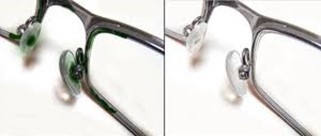
While lenses need to be cleaned daily or a few times a day, frames are often overlooked and should be thoroughly cleaned once a week. Run the frames under warm water and rub gently, using your fingertips and a gentle soap. Don't neglect the nose pads and earpieces. Storing glasses safely is as important as cleaning them correctly. Ideally, when not being worn glasses should be kept in a hard case. If this is not available, a soft case will do but make sure this is stored where your glasses will not be damaged. |
||||
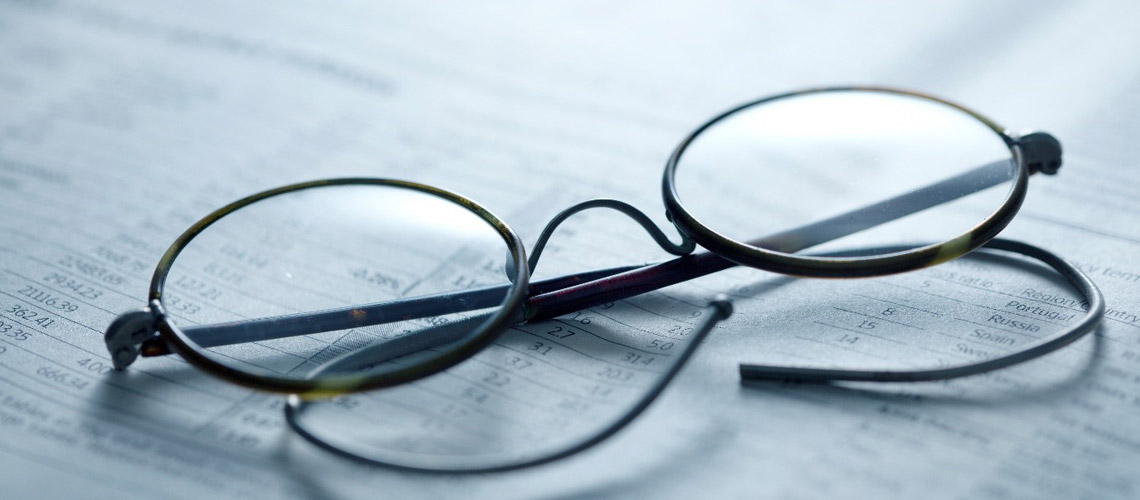
When taking your glasses off, even for a short while, place them with the lenses facing upwards, resting on the folded side arms. Avoid laying them with the lenses down in which case they may be scratched, chipped or bent. Wearing your glasses on the top of your head may seem like the easiest way to keep track of them and take them on and off quickly. As well as scratching the lenses, this can stretch the frames, eventually making them lose their shape, become uncomfortable to wear and compromise clear vision. If you notice a scratch on your lenses, don't try to buff it out. This will only make things worse! You will end up with more scratches as well as a cloudy lens. If your glasses get scratched, take them in to your optometrist who has the appropriate technology and machinery to deal with the problem. |
||||