|
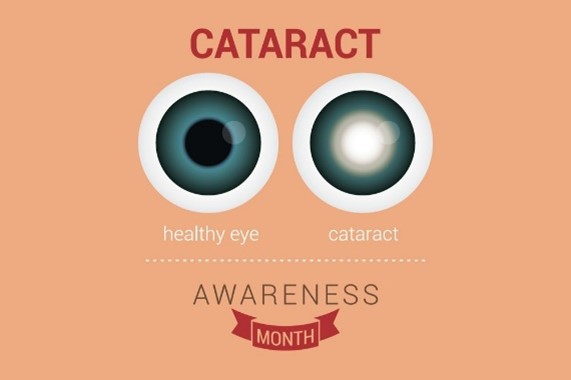
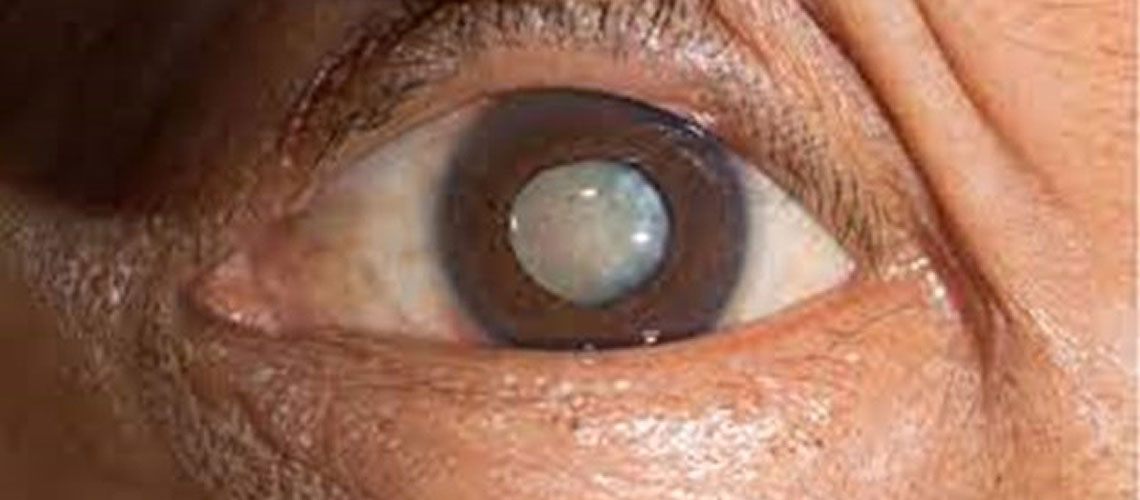
Although most people have heard about cataracts, there are many myths and misconceptions surrounding them. A cataract is a condition in which there is a build-up of protein on the normally clear lens of the eye, causing it to become yellow and cloudy. Cataracts are one of the leading causes of blindness, affecting 20 million people worldwide. MYTH: Only old people develop cataracts. While cataracts are typically a disease of aging, affecting people over the age of 40, they can occur in younger people and children, and congenital cataracts can be present at birth. MYTH: Too much screen time, reading or close work causes cataracts.
Long-term screen exposure or close work may cause eye fatigue, concentration difficulties, or dry eyes, and trouble reading or doing close work in dim light may be due to cataracts, but these activities do not cause cataracts. Risk factors that may lead to the development of cataracts include family history, eye trauma or previous eye injuries, long-term use of certain medications such as corticosteroids, exposure to the ultraviolet rays of the sun, smoking, and various chronic diseases. Congenital cataracts may be associated with a genetic cause or be due to certain infections in the mother during pregnancy. |
||||
|
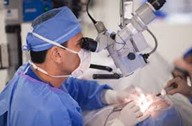
MYTH: Cataracts are growths on the eyes. Cataracts don’t grow over the lens or eye; rather they are permanent changes to the eye’s natural lens. As we age, the proteins in the lens of the eye start to break down, clump together and deteriorate. This process, combined with slower cell regeneration in the lens, causes the lens to become cloudy and yellow. MYTH: Cataracts can be “dissolved” with eye drops. Because cataracts are changes to the structure of the lens of the eye, they cannot be removed or “dissolved” with any type of eye drops or medication. The only way to treat cataracts is with surgery, which involves the removal of the defective lens and replacing it with an artificial synthetic lens. The type of synthetic lens used is based on a person’s individual vision needs. MYTH: Cataract surgery is dangerous and recovery can take months.
Cataract surgery is a delicate operation, but it is one of the most common, safe surgeries and has a very high success rate with few complications. Some people notice an immediate improvement in their vision after surgery, but most will continue to improve over a few days or weeks. Apart from having to be careful with certain activities for a while, in most cases people are able to resume their normal activities after a few days. If there are additional eye conditions such as glaucoma, recovery time may be longer. |
||||
|
MYTH: Cataracts can grow back after surgery. Once the defective lens has been removed, it is impossible for the cataract to return. Over time, some people develop cloudy vision again because the membrane that holds the new synthetic lens deteriorates with age and becomes cloudy. However, a short laser procedure quickly, safely, and easily resolves the problem. MYTH: Cataracts should be removed as soon as they are diagnosed. If a cataract is detected during an eye examination, it is generally not necessary to have surgery immediately. Cataracts develop over time and may not need to be removed unless or until they interfere with vision and impact daily activities. In some cases, cataracts are never removed. It is important to monitor the progress of the cataract and its effect on your vision by scheduling regular eye examinations with your optometrist, who will refer you to an ophthalmologist when surgery is indicated. Congenital cataracts need removal as early as 4- 8 weeks and developmental cataracts also need to be dealt with immediately. Any cataract in children less than 7 years of age requires prompt intervention to avoid long-term permanent vision problems. MYTH: Lifestyle changes can “cure” or reverse cataracts While a healthy lifestyle is beneficial for both eye health and overall health, once a cataract has developed it cannot be reversed and needs to be surgically removed. Healthy lifestyle choices such as regular exercise, a diet rich in fresh fruits and vegetables and protection against the harmful UVA and UVB rays of the sun can have a positive impact on general eye health. Regular eye examinations are important so that any problems or conditions in the eyes can be detected and treated early. |
||||
|
If you notice any of the symptoms of cataracts, schedule an appointment with your optometrist for an eye examination. Symptoms include blurred vision, double vision, changes in colour vision, sensitivity to glare and bright light, halos around lights, difficulty with night vision, and frequent changes to the prescription of glasses or contact lenses. The earlier a vision problem is detected, the earlier it can be treated, and the better the outcome is likely to be. |
||||