 |
||||||||
|
Each season brings with it changes in nature which in turn have an impact on us and our health. Winter brings a unique set of challenges for our eyes. In winter, we are vulnerable to illnesses which often affect our eye health, and seasonal eye problems occur frequently during the winter months. The air is drier, the days are shorter, and we spend more time indoors, which can affect the quality and comfort of our vision. By taking a few simple steps, we can protect our eyes from the elements in winter. COLD DRY AIR
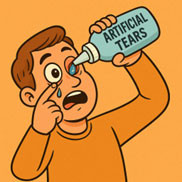
Dry eye is one of the most common problems in winter. Coupled with the lower humidity levels in cold winter air and the dryness of heated air indoors, the eyes feel sore, itchy, gritty and uncomfortable. Some people suffer from dry eye only in winter, but for people who suffer from the condition year-round it seems to worsen during the cold winter months. Use eye drops or artificial tears to help lubricate the eyes and ease the discomfort. If you already use eye drops to soothe dry eyes, you may have to use them more frequently in winter. Set up a humidifier in the home or working environment, and open the windows, even briefly, to introduce fresh air into the room. Alternatively, place a bowl of water near to heaters or air conditioners to humidify the air. Stay hydrated by drinking plenty of water which is essential for overall as well as eye health. We tend to blink less when we are doing activities that require visual attention, such as reading or working on a computer, which makes the symptoms of dry eye worse. Be conscious of blinking more often. |
||||||||
|
REDUCED NATURAL LIGHT
Sunlight is essential for the production of Vitamin D which plays a role in eye health. During the shorter winter days, we have less exposure to natural sunlight. Although the winter sun may not be as strong as the sun in summer, the UV rays it projects are still harmful to the eyes, and it is still important to wear sunglasses in winter to protect the eyes against long-term UV damage and the increased risk of cataracts and age-related macular degeneration. The glare of the low sun on a sunny winter’s day can be hard on the eyes, particularly when driving. During the winter months when the days are shorter, many people find that they need to have brighter lighting and are more reliant on their glasses. With less light available, the pupil expands to let in more light, reducing the eye’s depth of focus, leading to blurred vision and less visual clarity and comfort. |
||||||||
|
MORE TIME INDOORS, LESS TIME OUTDOORS
Throughout the world, there is growing concern regarding the significant increase in myopia, shortsightedness, in children. Research shows that spending less time on digital screens and more time outdoors could play a role in myopia control in children. In winter both children and adults tend to choose indoor rather than outdoor activities. Make a point of wrapping children up warmly and encouraging them to play outside each day. More indoor time generally equates to more screen time, which leads to digital eye strain, a condition which makes the eyes feel tired, dry and uncomfortable. Take regular breaks from computers, TV and other digital devices. Follow the 20-20-20 rule: every 20 minutes focus the eyes at least 20 feet away for 20 seconds. Remember to blink! |
||||||||
|
WINTER ILLNESSES
During the winter months there is typically an increase in colds and flu-related illnesses, some of which may be accompanied by eye infections such as conjunctivitis or “pink eye”. The eyes may be swollen, red and sore, and there may be a sticky discharge or crusting around the eyes or on the eyelashes. Speak to your optometrist about prescribing eye drops or ointment to treat the infection. onjunctivitis is highly contagious, and because people are indoors in close contact with one another, can spread rapidly in winter. To protect overall health as well as eye health during flu season, wash hands often and do not share towels or face cloths. ALLERGENS IN THE AIR With windows closed against the cold and air in the home less likely to circulate, allergens in the home, like dust and pet dander, can build up, leading to allergic reactions. Eyes are irritated, itchy, red and watery. Using an air purifier can reduce allergy symptoms by removing or reducing the presence of air-borne particles. NUTRITION FOR WINTER EYE HEALTH Studies show that what we eat has a direct impact on eye health. During winter it is important to follow a diet to guard against colds and flu, and to eat eye healthy foods that help to keep the eyes moist. These include foods rich in omega-3 fatty acids, antioxidants and certain vitamins and minerals. Consult a medical professional to discuss taking a nutritional supplement to boost eye health.
Omega-3 fatty acids found in foods such as salmon, sardines, flax seeds and walnuts, are essential for keeping the eyes moist and preventing dry eye symptoms. Due to reduced sunlight exposure in winter, the body produces less vitamin D, which is crucial for overall eye health. Include foods such as fatty fish, cheese and egg yolks in the diet for vitamin D. Eat a variety of colourful fruits and vegetables, nuts and seeds, which contain vitamins A, C and E, to help protect the eyes from damage caused by free radicals and support the blood vessels in the eyes. Foods rich in Lutein and Zeaxanthin, including leafy green vegetables and egg yolks, help protect the retina against oxidative damage. As well as supporting the immune system and helping to ward off infections, zinc is essential for carrying vitamin A from the liver to the retina to produce melanin, a protective pigment. Zinc is found in oysters, beef and legumes. Winter doesn’t have to be a challenging time for your eyes. By incorporating the right nutrients and supplements into your diet and following practical eye care tips, you can maintain excellent eye health throughout the season. |
||||||||