|
Alcohol has been in the news since the start of the COVID pandemic and the alcohol restrictions during the various stages of lockdown. We have heard and read about the negative effects of excessive alcohol consumption on families and communities. In individuals, the consumption of alcohol impacts every function of the body, including the visual system. The way the body responds to alcohol differs from person to person, depending on their tolerance threshold and the amount of alcohol consumed. While the short-term changes in the eyes and vision may be irritating, these generally subside shortly after an episode of drinking, the long-term effects of chronic alcohol abuse over an extended period of time can be more serious and more permanent. Short-term Visual Effects Alcohol is a diuretic, which means it removes water from the body by making a person urinate frequently. In the short term, this can have a dehydrating effect, leaving the eyes feeling dry and irritated. Even a minimal amount of alcohol can worsen the symptoms of people who suffer from dry eyes. Balancing the hydration levels in the body by alternating alcoholic drinks with water will minimise the dehydrating effects of alcohol.
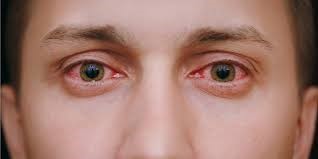
Alcohol causes the blood vessels in the eyes to swell, making them appear more prominent and leading to red bloodshot eyes, a typical sign of alcohol consumption. The eyes may feel dry, gritty and sometimes painful. Alcohol decreases the reaction time of the pupils, changing the way the eyes respond to light and other stimuli. If the eyes do not adjust to changing light appropriately, visual sharpness may be reduced, and you may not be fully aware of your surroundings. Decreased sensitivity to contrasting colours coupled with a decrease in muscle coordination when under the influence of alcohol could make night driving particularly challenging and even dangerous. The transmission of messages between the brain and the eyes is compromised by the consumption of alcohol, leading to difficulty with eye muscle coordination. The effects include blurred vision, double vision, decreased peripheral vision, involuntary or jerky eye movements and difficulty with depth perception and judging distances. The short-term symptoms of alcohol consumption generally subside once the person becomes sober. |
||||||||
|
Long-term Visual Effects One of the main reasons for long-term damage to the eyes from alcohol abuse is thought to be vitamin deficiency, due to the body's reduced ability to absorb the essential nutrients responsible for maintaining visual health. Certain vitamins and other nutrients are vital for eye health.
The full extent to which excessive alcohol consumption over an extended period of time can impact the eyes is still largely unknown. However, it has been linked to the development of eye conditions such as cataracts, age-related macular degeneration and dry eye syndrome. It has also been found to disrupt neurological connections to the eye and affect optical nerve health. Long-term heavy drinking can weaken the muscles in the eyes over time, often permanently damaging the optic nerve, the sensory nerve that carries information from the eye to the brain where it is processed and the visual message interpreted. When the muscles that support the optic nerves weaken, their ability to communicate with the brain is inhibited, which can lead to several other issues with vision. Eye floaters can be another negative result of alcohol consumption. Rapid eye movement or twitching eyes, myokymia, is a side effect that stems from decreased pupil reaction time. When a person's pupils don't dilate as quickly as they normally would, their eyes may twitch or move rapidly in an attempt to focus. A common sign of long-term excessive alcohol consumption is yellowing of the sclera, the white part of the eye, which is due to the effect that alcohol has on the liver. The year is drawing to a close, and with it opportunities and occasions to celebrate with family and friends, and sometimes over-indulge in eating and drinking. After two extremely stressful years, it is time to relax and reconnect with loved ones, while being mindful of the short-term as well as the longer lasting impact of alcohol on the body and the eyes. |
||||||||