 |
||||||||
|
Summer is the perfect season for outdoor activities, and swimming is a popular pastime for many. Whether diving into a pool, splashing in the ocean, or enjoying a dip in the lake, there is nothing quite like a refreshing swim on a hot summer’s day. Water can pose significant risks to the eyes. Different types of water can lead to anything from irritation to more severe infections, so it is important to be aware of eye safety to prevent potential problems. POOL WATER
Red eyes are a classic sign after swimming. Swimming pools are treated with chlorine and other chemicals to maintain water quality and prevent the spread of bacteria, and these chemicals can be harsh on the eyes. It is not the chlorine that makes the eyes sting in a swimming pool; it is chloramine, which forms when chlorine reacts with dirt and other substances in the pool. This strips away the natural tear film that protects and lubricates the eyes, leading to redness, burning, irritation and a gritty sensation. For contact lens wearers, it could be worse as the chlorinated water, and sometimes bacteria, can be absorbed by the lenses, increasing the risk of infection. |
||||||||
|
LAKES, RIVERS AND DAMS Natural bodies of water look beautiful, but they often harbour tiny organisms and contaminants the eyes would rather avoid. Exposure to these elements can lead to eye infections such as conjunctivitis or more serious conditions, which can severely impact vision if not treated promptly. These infections may cause symptoms such as redness, discharge, itching, pain and sensitivity to light. Corneal ulcers are caused when the bacteria, fungi, and other microorganisms in the water penetrate deeper into the corneal layers and cause a defect that is not easy to heal. THE SEA
Salt water might be more natural, but it can still irritate the eyes. The high salt concentration can cause dehydration of the eyes and irritate the delicate tissue surrounding the eyes, leaving them red, dry and uncomfortable. Sand and other debris found in sea water can scratch the surface of the cornea, causing a corneal abrasion, which can be extremely painful and may cause blurry vision, sensitivity to light, and redness. Sea water can contain bacteria, viruses, and other pathogens that can cause infections in the eyes. In people who wear contact lenses, the salt, bacteria, and debris in the water can get trapped under the lenses and cause irritation or infection. For people with allergies, exposure to sea water can trigger an allergic reaction in the eyes, with symptoms including redness, itching, swelling and extensive watering. |
||||||||
|
EYE SAFETY TIPS FOR SWIMMERS
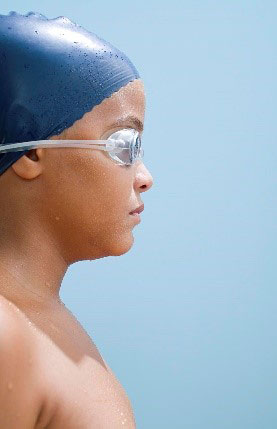
One of the most effective ways to protect your eyes while swimming is to wear goggles. They act as a barrier against chemicals, bacteria, and other contaminants in the water. Find a pair that fits your head well and forms a good seal over your eyes to prevent water leaking in. It’s even possible to get prescription goggles if you’re going to be spending a lot of time underwater and want to see as clearly as possible. Choose goggles that offer UV protection to shield your eyes from harmful rays. Anti-fog goggles help maintain clear vision underwater. Because it’s harder to see underwater, you’re also at higher risk for eye injury than you are out of the pool. Goggles ensure your safety from all these hazards.
Contact lenses are not designed to be submerged in water, and it could lead to them swelling up and tightening around the cornea or coming loose and falling out. Wearing contact lenses while swimming can increase the risk of eye infections. In addition, contact lenses may fall out or be displaced by the force of the waves, leading to discomfort and potential damage to the eyes. If you need vision correction while swimming, consider prescription swim goggles as a safer and more protective alternative. Exposure to UV rays while swimming outdoors can increase the risk of developing cataracts, macular degeneration, and other eye issues. Reflective surfaces like water can intensify UV exposure and cause a glare, making it crucial to protect your eyes during outdoor water activities. Sunglasses that wrap around your face not only protect against UV rays but also keep salt, spray and wind at bay. Prolonged exposure to water and sun can strain your eyes. Taking regular breaks allows your eyes to rest and reduces the likelihood of irritation and fatigue. Stay hydrated by drinking plenty of water to maintain optimal eye moisture levels, reducing the risk of dry eyes and irritation. |
||||||||
After swimming, rinse your eyes with clean, fresh water to remove any residual chlorine or contaminants. This can help prevent irritation and reduce the risk of infection. If you experience any pain, redness, swelling or persistent irritation, seek medical attention. If necessary, treatment may include prescription eye drops or ointments to soothe the irritation and prevent infection. Whenever water and eyes mix, there’s a chance for irritation or infection. Even though water may seem clean, it is never truly sterile, and the eyes are delicate, with a finely balanced tear film and protective surface. If your eyes feel sore, gritty, or red after swimming or water exposure or if your vision changes, book an eye examination to make sure everything is healthy and comfortable again. |
||||||||