 |
||||||||
|
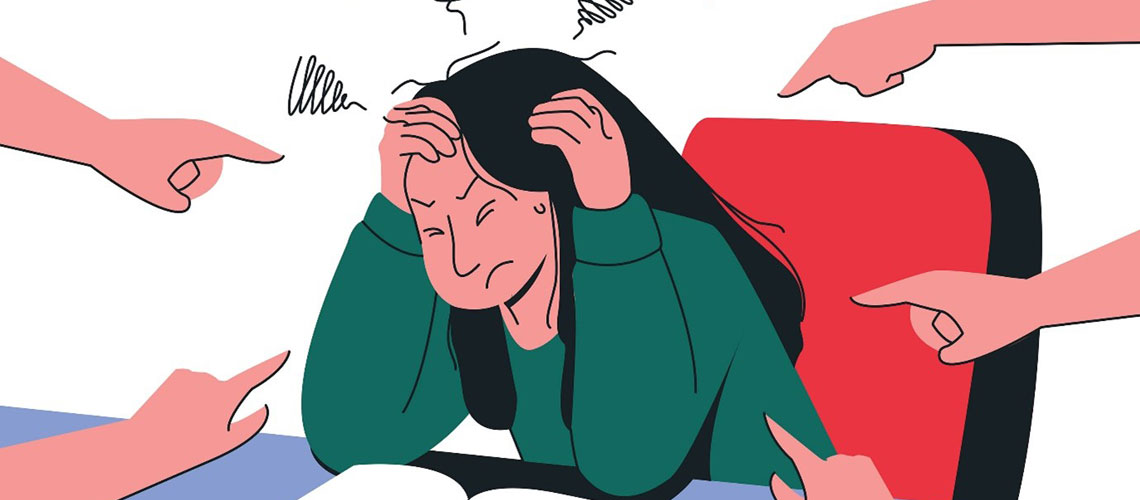
Stress is a part of life. A moderate amount of stress is both healthy and necessary as it motivates us, keeps us alert, boosts performance and builds resilience. The human body is naturally adapted to handle any demand or stressful situation that upsets its natural equilibrium. Once the stressful event has passed, the body returns to homeostasis. But consistent chronic stress can have a negative impact on our bodies, leading to problems with our health. Our visual health is not exempt. Stress can affect the eyes in a number of different ways intermittently or constantly. When we feel stressed, the body responds by releasing the hormones cortisol and adrenaline. These hormones trigger the “flight or fight” reaction which prepares our bodies to respond to perceived threats. Physical reactions include increased heart rate and respiration, elevated blood pressure, heightened muscle tension and dilated pupils. Over time, high levels of these hormones impact our vision in various ways, resulting in short-term and long-term problems. SHORT TERM EFFECTS OF STRESS Light sensitivity
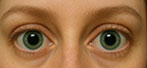
During a “flight or fight” reaction, the pupils dilate to allow more light into the eyes so that we can see potential threats more clearly. This may cause increased sensitivity to bright light. If the pupils remain dilated during constant stress, sensitivity to light may be increased, making the eyes feel sore and strained. |
||||||||
|
Eye twitching Uncontrollable twitching or muscle spasms in or around the eye are a common sign of stress brought on by muscle tension. This is often accompanied by tight muscles in the neck, shoulders and head. Blurred or distorted vision During extreme or prolonged stress, hyperventilation can cause blurred vision due to an imbalance of oxygen and carbon dioxide in the body. Some people notice a temporary worsening of existing vision problems such as dry eye or shortsightedness. Eye strain Although eye strain can have many causes and is most commonly a result of prolonged intensive use of the eyes, such as staring at a computer screen, eye strain can also be caused by stress. Stress can lead to eye fatigue, causing symptoms like itching, dryness, and discomfort. Excessive dryness or tearing
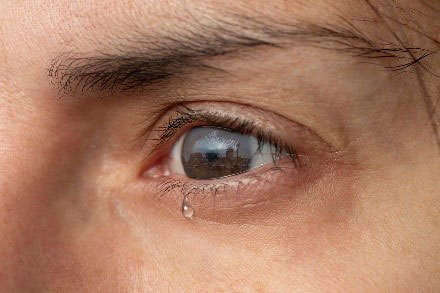
While they are opposite reactions, the body’s response to stress can contribute to both dry eyes and excessive tearing. People tend to blink less frequently when stressed, reducing the natural function of the tears which is to moisturise the eyes, remove debris and keep vision clear. Those who already suffer with dry eye or other ocular surface diseases may experience a flare-up or worsening when they are feeling particularly stressed. Additionally, certain medications commonly used to treat anxiety can cause dry eye as a side effect. |
||||||||
|
Eye floaters and flashes Although stress doesn’t cause these, it can lead to heightened awareness of tiny spots or dark shapes floating in the field of vision or intermittent flashes of light. Impaired colour and night vision Stress can make it more difficult to distinguish colours and worsen the effects of night blindness. Tunnel vision Extreme stress can temporarily narrow the field of vision and reduce peripheral vision, leading to the perception that only objects directly ahead can be seen clearly. LONG TERM EFFECTS OF STRESS
The majority of stress-related vision problems are temporary and are more uncomfortable than debilitating. In most cases, once the causes of the stress are treated or the stress managed, the stress response is deactivated, and the symptoms of stress-related vision problems are relieved. However, chronic stress is linked to problems with the eyes, including an increased risk of developing or worsening eye diseases like glaucoma and diabetic retinopathy.
While chronic stress can elevate eye pressure, brief changes in eye pressure are not necessarily harmful, but over time the optic nerve can be damaged if intraocular pressure remains high. This is of particular concern in cases of certain types of glaucoma. The release and spikes of cortisol and adrenaline during stress can disrupt blood flow to the retina, limiting the delivery of essential nutrients and causing retinal damage. Changes in respiration cause blood oxygen levels to drop, depriving the retina of oxygen and potentially causing cell damage. Stress can trigger inflammation in the body, which can affect the eyes. Severe and consistent periods of stress often trigger symptoms of vision problems in people with autoimmune disorders. Its not always easy to avoid stress and the body’s reaction to it, but its worth using strategies to manage it, such as deep breathing and relaxation techniques. It’s not always easy to avoid stress and the body’s reaction to it, but it’s worth using strategies to manage it, such as deep breathing and relaxation techniques. These small habits can help restore a sense of control when things feel overwhelming. With regular practice, they can also improve your focus, mood and overall emotional balance. |
||||||||