World Sight Day on 8th October falls within Eye Care Awareness month which extends from 21st September to 18th October. Don't take your eyes for granted; rather, take advantage of this opportunity to visit your optometrist for an examination. A significant percentage of eye and vision problems are preventable through early detection and treatment. Become aware of the day to day steps you can take to protect your sight and maintain optimal eye health. Eat Well Good eye health starts with the food you eat. Nutrients like omega-3 fatty acids, lutein, zinc, and vitamins C and E may help ward off age-related vision problems like macular degeneration and cataracts. Dark green leafy vegetables such as spinach contain vitamins that nurture the nerve tissue within the eyes. Orange vegetables and citrus fruits boost eye health. Oily fish like salmon and tuna are rich in omega 3 fatty acids. A well-balanced diet lowers the risk of chronic diseases including diabetes and heart disease which have a role to play in certain eye conditions. Wear Sunglasses
Ultraviolet rays from the sun are harmful to the eyes, even in winter and on cloudy days. Sunglasses which block 99% to 100% of UV rays can help protect the eyes from the risk of cataracts and macular degeneration. Polarised lenses reduce glare, but don't necessarily offer added UV protection. Certain contact lenses offer some protection, but it is advisable to wear sunglasses with contact lenses. |
||||||||
|
Use Safety Eyewear Protective eyewear can shield the eyes from hazards at work, at home and on the sports field. Certain cleaning products contain chemicals that may harm the eyes. Some sports are riskier than others, so wear a helmet or sports goggles with polycarbonate lenses. Limit Screen Time
Spending too much time staring at a computer or smartphone can cause eye strain with symptoms including headache, dry or burning eyes, blurred vision, and neck, back or shoulder pain. To minimise eye strain sit at least an arm's length from the computer screen with the eyes level with the top of the monitor. Follow the 20-20-20 rule: every 20 minutes look away from the screen for 20 seconds at a distance of 20 feet. Remember to blink regularly. Use artificial tears for symptoms of dry eyes. Speak to your optometrist about computer glasses which reduce screen glare and increase contrast optimising vision. Children, too, can suffer from digital eye strain, so encourage them to spend less time in front of a screen and more time playing outdoors which has benefits beyond eye health. Kick the Habit Smoking exacerbates dry eyes and is linked to a number of eye diseases from cataracts to macular degeneration. It plays a role in numerous medical conditions which have a negative impact on the eyes. Exposure to secondhand smoke can affect the eyes, particularly in children. If you are not able to quit, even cutting down on smoking will make some contribution towards better general as well as eye health. Be Aware of Visual Changes As we progress through the different stages of life, we experience changes, and the eyes are no exception. It can be difficult to differentiate the signs of the normal aging process from those that signal a problem. Some changes are gradual and barely noticeable, while others are sudden. Symptoms to be aware of include blurred vision, floaters (dark spots that seem to float in the eye), halos around lights and blind spots. You may find that certain activities have become more difficult, such as night driving or reading in low light. Pay attention to worsening of vision. Sudden changes, such as loss of vision, persistent flashes of light, double vision, or eye pain should be treated as an emergency and require immediate medical intervention. Keep Chronic Medical Conditions Under Control
Many chronic medical diseases have a direct impact on the eyes, often progressing without obvious symptoms until vision is affected. These include medications for diabetes, hypertension, cardiovascular disease and certain autoimmune conditions. Your family health history plays a role in vision and certain vision conditions run in families so inform your optometrist if anyone in your family has conditions such as glaucoma and macular degeneration. |
||||||||
|
Schedule Regular Eye Examinations
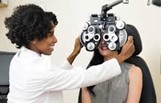
Regular visits to your optometrist are essential, not only to check your prescription or monitor an eye condition, but also to detect and treat problems in the early stages. Before the symptoms of chronic health conditions such as diabetes are apparent, an optometrist is often able to pick up signs in the eyes and make the appropriate medical referral. |
||||||||
|
Your Beauty Routine Cosmetics and eye makeup can be a source of eye infections. To avoid the growth and spreading of bacteria, replace makeup regularly, and don't share eye makeup. Thoroughly remove makeup before going to bed. Allergic reactions to certain cosmetic brands are not uncommon and may develop some time after you have been using a particular brand. Tips for Travelers Now that it is safe to travel again, many people are on the move. When packing, don't forget sunglasses, an extra pair of glasses or your prescription in case you lose or break your glasses, and extra contact lenses and solution. Dry eyes are a common problem while flying, so take artificial tears or eye drops recommended by your optometrist. Children's Eyes
Having optimal vision is obviously vital for a child's overall development, helping him to explore and learn about his world. A healthy diet and spending time outdoors will benefit his visual and general health and development. Be careful when selecting toys as some toys may pose a danger to the eyes, and some activities require eye protection. If there is a problem, the earlier it is detected and treated, the better the long-term prognosis. Children are usually unaware that they have a problem, and may be unable to express difficulties with vision. Signs that may indicate a problem with vision include one eye turning in or out, watery eyes, rubbing of the eyes, discharge from the eyes, sitting too close to the TV or holding books very close to the face, clumsiness or poor hand-eye coordination, blurred vision, avoidance of reading, headaches or tired eyes after reading or close work. If your child needs glasses, your optometrist will guide you. Life can take a toll on our eyes. With 2020 being designated the Year of the Eye, there are steps that we can take each day to keep our eyes and vision in 2020 shape! |
||||||||