|
As the end of the year approaches, so do many occasions for the lighting of fireworks. Throughout the world and across many cultures, fireworks are part of traditional festivals, commemorative events and celebrations. They elicit a sense of awe and wonder in children and adults alike but are potentially harmful and need to be used with care and caution. Eye injuries are second only to skin burns as a result of fireworks accidents. These range from scratches on the surface of the eye to more serious and sometimes permanent vision damage. They happen in seconds but can be life changing. One of the main causes of eye injuries to children under 15 years of age is sparklers, which burn at a temperature of 1200 to 1800 degrees Fahrenheit, hot enough to melt gold. FIREWORKS AND EYE SAFETY Many injuries can be prevented by applying basic fireworks safety.
The safest way to enjoy fireworks is at a professionally organised fireworks display. However, remember that injuries are not necessarily dangerous only to the people handling the fireworks. Bystanders are at risk of injury, too. Respect safety barriers and follow guidelines regarding safe distances from which to watch the display. If lighting your own fireworks at home, only buy fireworks from authorised dealers and shops. Ensure that they are in sealed packages. Children under the age of 16 should be accompanied by an adult when purchasing fireworks. Carefully follow the instructions printed on the packaging. Homemade fireworks can be extremely dangerous to both the people igniting them and the spectators. Children should be supervised by an adult at all times when around fireworks. Never discharge fireworks indoors. Set off fireworks outdoors in a clear area at a safe distance from people, animals, buildings and flammable garden materials.
Do not try to relight or handle malfunctioning or "dud" fireworks. Soak them with water and throw them away. Keep a bucket of water or a fire extinguisher nearby in case of a malfunctioning firework. Keep unused fireworks away from the igniting area. Always light sparklers one at a time and hold them at arms' length. Burnt sparklers remain hot for some time and should be placed in a bucket of water with the hot end down as soon as they have burnt out. Do not hand a lit sparkler to another person. Instead, hand over an unlit sparkler and then light it. Never run while holding a lit sparkler. Firecrackers are dangerous and become even more dangerous when they get old because they become unstable. Animals are easily frightened by fireworks and can become distressed or try to escape and run away. Keep pets in a safe interior room to avoid exposure to loud sounds. WHAT TO DO FOR AN EYE INJURY
ARE THERE ALTERNATIVES TO FIREWORKS?
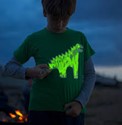
Non-toxic glow-sticks, ropes and jewellery can safely and effectively light the night for children. Have children design and decorate their own t-shirts and hats using glow in the dark paints. Add puffy paints and glitter to make them sparkle. Use hypoallergenic face paint or make-up to make designs on your child's face. Add glitter for a fun effect. Follow product guidelines for applying the product directly around the eyes. Make pinwheels or wind socks with bright glow in the dark paints. Wrap flashlights in colored cellophane to provide fun shades of light. Make rockets by using paper towel rolls, paint, streamers, and paper cement. |
||||||||||||