|
Glaucoma is a chronic disease of the eyes which slowly, silently, progressively and irreversibly damages the optic nerve which carries visual information from the eye to the brain. If left untreated, most types of glaucoma progress towards gradually worsening sight, usually with no obvious symptoms until there has been vision loss. Early detection is the key to early treatment, which can help avoid further vision loss or slow its progress. "I cannot undo the damage already done," said one optometrist. "But I can stop the damage from getting worse or at least slow it down." Understanding glaucoma and having regular eye examinations are important steps towards early detection and a positive outcome.
What is the incidence of glaucoma?
More than 64 million people worldwide are affected by glaucoma which is one of the most common causes of blindness in the world. Because there are no symptoms early in the condition, it is estimated that over half of the people who have it are unaware that they do.
Who is at risk for glaucoma?
Glaucoma can affect everyone but there are factors that increase the risk. People over the age of 40, certain ethnic groups, diabetics, long term users of some medications and people with extreme shortsightedness are at greater risk of glaucoma. There is a genetic link, and many celebrities have spoken about this openly to create awareness and stress the importance of early detection. Award-winning actress Emma Thompson is encouraged by her mother, Phyllida Law, also an actress, to schedule regular check-ups with her optometrist. Both Emma's mother and grandmother have glaucoma, but while her mother's condition was diagnosed and treatment begun 30 years ago, her grandmother learnt of her glaucoma when she was in her 70s and her vision loss was advanced.
|
|
What causes glaucoma?
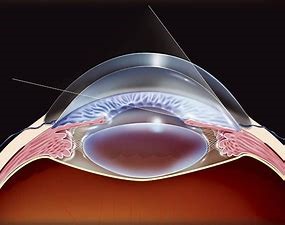
Glaucoma is an umbrella term for a group of eye conditions that can lead to a build-up of pressure in the eyes. The eyes constantly produce a clear fluid called aqueous humor which circulates in the front part of the eyes. As new fluid flows into the eyes, the same amount drains out through the drainage angle, keeping the pressure within the eyes (intraocular pressure) stable. If fluid does not drain, it builds up and the intraocular pressure rises, slowly damaging the optic nerve.
There are several types of glaucoma. The most common type is primary open-angle glaucoma which is a chronic condition typically due to inadequate drainage of aqueous humor and gradual damage to the optic nerve. Angle-closure glaucoma (or closed-angle or narrow angle glaucoma) is an acute condition which occurs suddenly as the drainage angle becomes blocked and intraocular pressure rises rapidly. This requires immediate emergency treatment. Congenital glaucoma is a rare condition that may be present at birth or develop in infants or young children. Famous opera singer, Andrea Bocelli was born with congenital glaucoma and went blind at 12 years of age.
|
|
What are the symptoms of glaucoma?
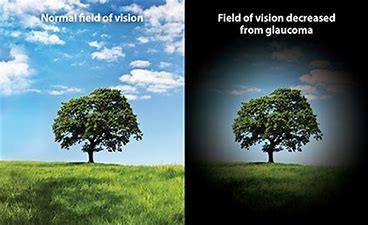
Initially, there are no apparent symptoms in open-angle glaucoma. The first sign is frequently reduced peripheral vision which will continue to gradually work its way inward as tunnel vision develops. Other symptoms include difficulty differentiating colours, eye redness, pain and nausea. Actress Whoopi Goldberg, who has glaucoma, complains of severe headaches. Glaucoma makes the eyes sensitive to bright lights and glare, which is why singer Bono, a glaucoma sufferer for many years, wears his signature tinted glasses.
Closed-angle glaucoma is characterised by sudden decreased or blurred vision, severe eye pain, nausea, headache and halos around lights.
While it is most common to have glaucoma if the eye pressure is high, many people with high eye pressure never develop glaucoma and some people with glaucoma never have high eye pressure. Glaucoma with eye pressure in the normal range is known as "normal-tension glaucoma."
If there are no symptoms, how is glaucoma diagnosed?
The only sure way to diagnose glaucoma is with a comprehensive eye examination. As well as checking eye pressure, your optometrist may use drops to dilate the pupils in order to examine the optic nerve and the back of the eye. Early changes may be noticed before symptoms appear or glaucoma is suspected. Vision changes that the patient is not yet aware of can be detected on a peripheral vision test.
|
|
How is glaucoma treated?
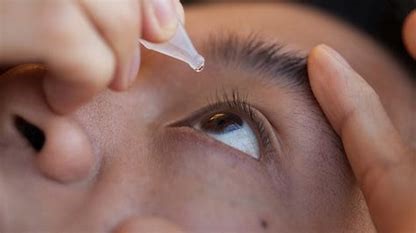
Although glaucoma can't be cured, it can generally be treated effectively and controlled if detected early. This may include eye drops, oral medication, laser treatment and sometimes surgery to help the drainage of fluid. Because it is a chronic condition, treatment is life-long. Follow up is a key aspect of treatment; regular eye examinations to monitor the progress of the condition and general eye health are vital.
|
|
How does glaucoma affect people's lives?
In the early stages while glaucoma is progressing silently without symptoms many people are unaware and unaffected by the condition. As it progresses, problems with vision are generally subtle and can even go unnoticed. People with more advanced glaucoma have trouble adjusting from dark to brighter environments and with diminishing peripheral vision, increasing the risks of falls, particularly in the elderly. Adjustments may need to be made in the home. Driving becomes a concern for people as glaucoma progresses.
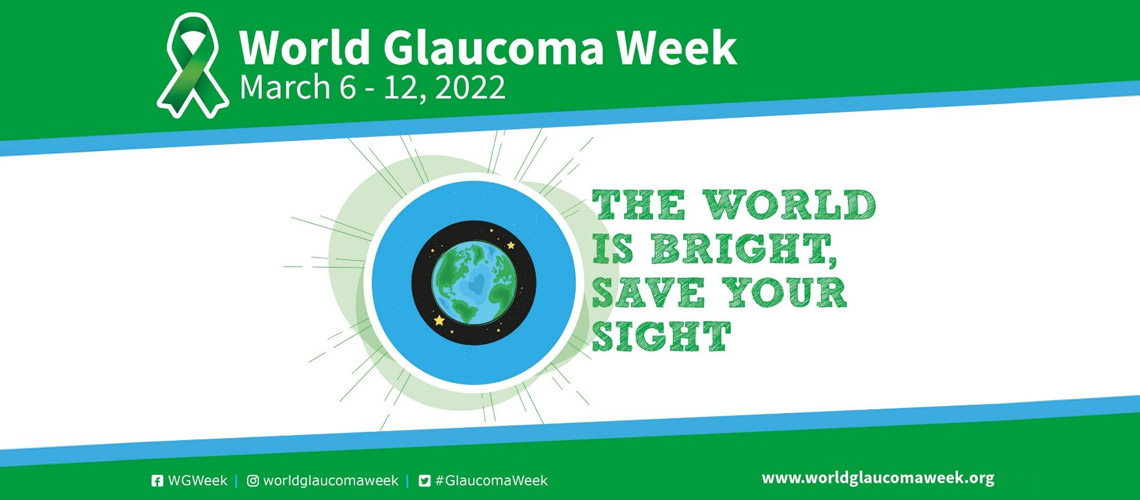
World Glaucoma Week from 6th to 12th March is an important reminder that we need to be proactive about our eye health so that problems can be detected and treated early, and our vision preserved. In the words of American astronaut John Glenn: "I'll never forget the beautiful image of Earth as I looked from the Space Shuttle Discovery. If my glaucoma had not been caught in time, I never would have seen such a sight."
|
|