DID YOU KNOW??
|
Interesting facts about our eyes. Our eyes are one of the most fascinating and complex parts of the body. We rely on them every day, often without thinking much about them and how they work. |
||||
|
The "eyeball"
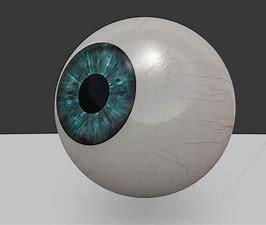
The word "eyeball" was first used by William Shakespeare in his play "A Midsummer Night's Dream". Only 1/6th of the eyeball is exposed to the outside world. The eyeball of a human weighs approximately 28 grams, or one ounce. We have two eyeballs in order to give us depth perception – comparing two images allows us to determine how far away an object is from us. The cornea is the only tissue in the human body which doesn't contain blood vessels. The eyes contain about 107 million light sensitive cells. The eyes have small blind spots where the optic nerve passes through the retina, and our brains use the information from the other eye to fill this gap. While a fingerprint has 40 unique characteristics, an iris has 256. This is why retina scans are increasingly being used for security purposes. |
||||
|
The Eye-Brain Connection
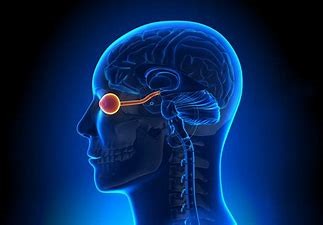
The only organ in the body more complex than the eye is the brain. Vision takes up more than 50% of the brain's functionality. You see with your brain, not your eyes. Our eyes function like a camera, capturing light and sending data back to the brain via over a million nerve fibres. You see things upside down - it is your brain which turns the image the right way up. 80% of all learning comes through the eyes. |
||||
|
Babies' Eyes
The eyes start to develop just two weeks after conception. Although babies cry, they don't produce tears until one to three months after birth. All babies no matter what nationality or race, have blue eyes in the womb. All babies are colour blind at birth. |
||||
|
"In the blink of the eye"
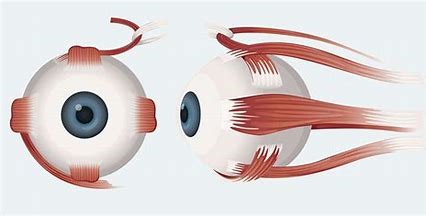
The eye is the fastest muscle in your body, which is why when something happens quickly, we say 'in the blink of an eye!' The eye has over 2 million moving parts. Of all the muscles in the body, the eye muscles are the most active. The external muscles that move the eyes are the strongest muscles in the human body for the job that they have to do. |
||||
|
Blink Blink!
Blinking lubricates the surface of the eye, preventing it from drying out. We blink about 15-20 times in a minute, about 10,000 times in an average day and an average of 4,200,000 times a year. The average blink takes 1/3 of a second. Women blink nearly twice as much as men. We blink more when we talk. We blink less often when reading or staring at a computer screen, often resulting in tired eyes. |
||||
|
Colour Vision
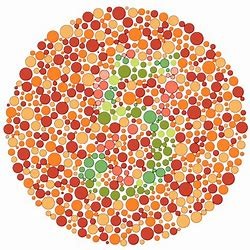
The eyes contain 7 million cones which help us see colour and detail and 100 million cells called rods which help us to see better in the dark. Colour blindness is more common in males. Perception of colour is a highly subjective ability that varies from person to person. Humans can see more shades of green than any other colour. The human eye can see 500 shades of grey. |
||||
|
Eye Colour
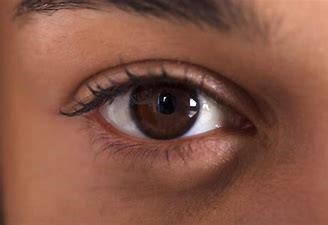
The world's most common eye colour is brown. Eye colour is determined by the amount of melanin in the iris. Blue eyed people are less tolerant of the sun. Having two different coloured eyes is called Heterochromia. |
||||
|
Brows and Lashes
The eyebrows prevent sweat dripping into the eyes. The eyelashes keep dirt and dust out of the eyes. The lifespan of the average eyelash is 5 months, the rest of the hair will last 2-4 years. |
||||
|
Eye and Visual Health
During an eye test, health conditions including diabetes and high blood pressure can be detected. Diabetes is the most common cause of blindness worldwide. The most common injury caused by cosmetics is to the eye by a mascara wand. The older we get, the less tears we produce. |
||||
|
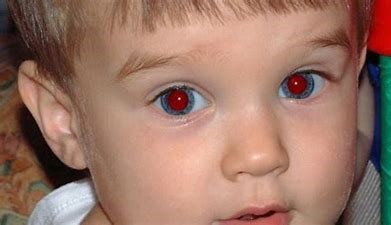
Other Interesting Facts Your eyes can get sunburned. We spend about 10% of our waking time with our eyes closed. People generally read 25 times slower on screen than on paper. It is impossible to sneeze with your eyes open. Red-eye in photos is caused by light from the flash bouncing off the capillaries in the eyes. Our eyes close automatically to protect us from perceived dangers. Reading in dim lighting does not damage the eyes, but it may tire them out. Everyone has one eye that is slightly stronger than the other. Although the function of tears is to keep eyes clean, scientists don't understand why we cry when we are upset. Your nose gets runny when you cry as the tears drain into your nasal passages. |
||||