DEBUNKING MYTHS AROUND SUNGLASSES
 |
||||||||
|
Its widely known that the sun’s rays are harmful to the body, but moderate amounts in the right balance have numerous health benefits. When it comes to the eyes, emphasis is placed on protecting our eyes from the harmful rays of the sun by wearing sunglasses, but it is not as simple as that, because there are many myths and misconceptions around sunglasses which can compromise eye health. SUNGLASSES SHOULD ONLY BE WORN IN BRIGHT SUN The purpose of wearing sunglasses is not simply to shield the eyes from a brightly shining sun, but to block harmful ultraviolet rays from entering the eyes. Of course, sunglasses should be worn in the sun, but it is equally important to wear them in the shade as UV rays may be reflected from other surfaces.
ITS NOT NECESSARY TO WEAR SUNGLASSES ON CLOUDY DAYS The sun’s harmful UV rays can penetrate clouds and haze, posing a risk to the eyes even on overcast days. Different kinds of clouds block different amounts of UV light, so it’s difficult to know for sure how much is getting through. Some clouds only block about 25-50%, while others may actually expose you to more UV light than a clear sky, as they can scatter sunlight and redirect it toward you. To protect your eyes, wear UV-blocking sunglasses even when it’s cloudy.
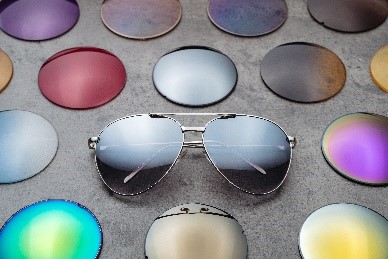
THE DARKER THE LENSES, THE BETTER THE PROTECTION The darkness of the lenses is a matter of personal preference rather than better UV protection. Even transparent or minimally darkened lenses with a coating that blocks ultraviolet radiation can provide better protection than very dark ones without a filter. Dark lenses without a UV filter allow more UV light into the eyes as the pupils dilate in response to the darkened lenses. There are a number of colour tints to choose from, each with their own advantages. Grey, brown and green tints are the most commonly used, the most comfortable for sunny weather and will not distort colours. Grey lenses are best for people who are sensitive to light, brown lenses provide contrast in most light situations, while green lenses offer a darker tint for light sensitivity and truer colour and contrast. Certain lens tints offer increased contrast for those who play sports, making the ball easier to see. |
||||||||
|
ALL SUNGLASSES BLOCK UV RAYS Not all sunglasses are created equal, and not all sunglasses offer the necessary defence against harmful UV rays. Ultraviolet rays are invisible to the naked eye and can be damaging to both the eyes and the skin. There are three types of UV rays, UVA, UVB and UVC. UVA rays can penetrate deep into the skin and eyes, while UVB rays primarily affect the outer layers of the skin and eyes. UVC rays are the most harmful but are almost entirely absorbed by the Earth's atmosphere and do not reach the surface. Sunglasses should have 100% UV protection, have lenses that provide crisp, clear vision, and be made from material that makes for a comfortable fit and feel. While some sunglasses might be labelled “with UV protection”, only reputable sunglasses labelled as providing 100% UV protection are equipped with lenses that block both UVA and UVB rays. THE MORE EXPENSIVE SUNGLASSES ARE, THE BETTER THE PROTECTION Higher price does not necessarily mean better protection for the eyes. Less expensive sunglasses marked as 100% UV-blocking can be just as effective as more expensive options. However, it’s wise to choose a well-known brand as many low-priced rip-offs may have questionable labels. POLARISED LENSES OFFER MORE PROTECTION
UV-blocking sunglasses protect the eyes from dangerous ultraviolet rays and are crucial to good eye health. Polarised sunglasses do not block more UV rays but are specifically designed to reduce glare from reflective surfaces, while enhancing visual clarity, reducing eye strain and improving comfort. Once again, look for the 100% UV-blocking label. Polarised sunglasses are not necessary but may be recommended for certain situations, including for migraine sufferers or people who are extremely light-sensitive, for those who spend a lot of time driving and for people who enjoy fishing. They may not be suitable for activities such as viewing LCD screens or certain instruments. |
||||||||
|
CHILDREN DON’T NEED SUNGLASSES
Children are even more susceptible to the sun’s harmful rays compared to adults. An estimated 50 % of lifetime exposure to UV rays occurs before age 18. This is because young people spend more time outdoors, have larger pupils, clearer lenses, and few wear sunglasses or hats. Protection against the sun’s rays is crucial and should be started at an early age to help prevent long-term damage. |
||||||||
|
SUNGLASSES ARE UNNECESSARY IF YOU WEAR A HAT Because the sun’s rays can reach the eyes from many angles, relying solely on a hat for sun protection leaves the eyes vulnerable to UV rays. A hat offers some shade, but sunglasses provide full coverage, reducing glare and UV penetration. IT IS SAFE TO LOOK AT THE SUN THROUGH SUNGLASS LENSES No matter how much protection sunglasses offer, they were not designed for us to look directly at the sun. To avoid the risk of retinal burns or damage to the lens or cornea, only look at the sun through specialised lenses designed for the purpose. SUNGLASSES PROTECT THE EYES IN ALL LIGHT CONDITIONS
Normal sunglasses will not protect your eyes from certain light sources, such as tanning beds, snowfields, and arc welding, when special lens filters are needed. Looking at any of these light sources without the right eye protection can cause photokeratitis, a serious and painful condition and can damage the retina. |
||||||||
|
SUNGLASSES PLAY MANY ROLES IN PROTECTING THE EYES True! Sunglasses lower the risk of eye diseases such as cataracts and macular degeneration and protect the eyes from dust and debris in windy conditions, minimising irritation and helping to prevent allergic reactions. Being in bright environments and exposure to direct sunlight can trigger headaches and even migraine attacks. Wearing sunglasses can help to prevent these and reduce discomfort. |
||||||||