“SEEING THE WORLD IN GREY”

|
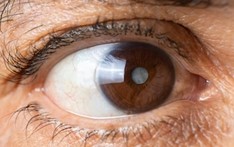
The Effects of Depression on Vision When we think of depression, we think of its emotional symptoms, such as sadness and loss of interest in activities, but the impact of depression goes beyond the emotions. Severe depression is associated with biological changes in the body that influence various functions, including vision. New research suggests that depressed people literally view the world differently, that visual information is processed differently. As one study expressed it, “they see the world in grey”. It is not clear if these visual changes are related to how the eyes take in visual information or how the brain interprets the visual information. Depression activates the body’s stress response system, which can lead to physiological changes and disruption of normal processes such as tear production. Neurological changes can alter the way the brain processes information leading to visual disturbances such as blurred vision and focusing difficulties. Depression can heighten sensory sensitivity, making normal light levels feel harsh and uncomfortable. Pupil dilation, which is part of the nervous system’s response to stress or excitement, is reduced in people with depression. VISUAL PERCEPTION AND DEPRESSION
One of the primary ways that depression affects vision is through altered visual perception. Research has shown that individuals with depression may experience changes in contrast sensitivity, colour perception, and spatial processing. Reduced contrast sensitivity makes it difficult to perceive differences in shades and brightness, which can lead to difficulties in everyday tasks such as reading, night driving or locating objects on a similarly coloured background. Some studies suggest that colours appear muted or less vibrant, which is thought can contribute to the overall bleakness and lack of enjoyment in the environment. Depressed individuals may have difficulty with depth perception and spatial orientation, which can affect their coordination and movement. |
||||
|
OCULAR HEALTH AND DEPRESSION
Depression can have direct effects on ocular health. Several studies have investigated the relationship between depression and various eye conditions, including dry eye syndrome, glaucoma and cataracts. The exact mechanisms linking depression and dry eye syndrome are not fully understood, but it is believed that autonomic nervous system dysfunction and inflammation may play roles. It seems depression can be both a possible cause and a possible effect of dry eyes. The relationship between depression and glaucoma may be bidirectional - the stress and anxiety associated with glaucoma can contribute to depressive symptoms, while depression-related changes in blood flow and pressure within the eye may increase the risk of glaucoma. When one is depressed, the body produces high levels of cortisol and adrenaline, potentially causing an increase in eye pressure, which can lead to visual distortions and eye diseases such as glaucoma and optic neuropathy. There is evidence to suggest that chronic stress and the resulting oxidative stress and inflammation associated with depression may contribute to the development of cataracts. |
||||
|
MEDICATION AND DEPRESSION
A number of antidepressant medications have been reported to have side effects that affect the eyes and vision. Certain medications prescribed for depression can impact tear production, leading to symptoms of dry eye disease, including burning, itching, redness, a gritty sensation and excessive watering. Other commonly reported side effects that may occur are blurred vision, double vision, light sensitivity, night blindness, dizziness, floaters and loss of part of the visual field. Antidepressant medications may cause a worsening of symptoms in people with pre-existing eye conditions. It is important for healthcare professionals to monitor and manage these side effects to minimise their impact on daily functioning. |
||||
|
LIFESTYLE FACTORS AND DEPRESSION
Depression can lead to changes in lifestyle and daily routines. People with depression may be less likely to engage in outdoor activities or maintain a balanced diet, which can indirectly impact eye health. Some researchers have suggested that people suffering from depression may be more likely to engage in activities that are known to worsen symptoms of dry eye, such as watching TV or staring at a computer. People with depression often lack motivation and energy, making it challenging to engage in self-care routines, including eye care. They may be less likely to wear prescribed glasses or contact lenses, attend regular eye examinations or seek treatment for vision problems, which can exacerbate existing conditions and lead to further deterioration in vision. The connection between depression and eye problems highlights how our emotional and physical health may be linked. Encouraging lifestyle modifications that promote overall well-being can benefit visual health. Regular physical activity, a balanced diet rich in antioxidants, stress management techniques and regular eye examinations can help mitigate some of the negative effects of depression on the visual system. |
||||