FRAMING THE CENTURIES
 |
||||||||
|
While prescription glasses might seem like something of the recent past, the idea of correcting poor vision has been around for centuries. Some experts believe that in one form or another, glasses have been around since the beginning of time, with ancient Egyptians thought to have used them as early as 2000 BC. Over the centuries, correcting vision has evolved from simple correction via glass manipulation to full correction with specialty lenses crafted using advanced technology. Today, more than just a tool for correcting vision, glasses are a reflection of personal style, fashion trends and technological innovation. THROUGH THE CENTURIES
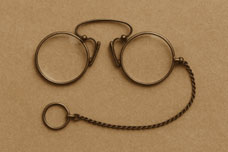
Salvino D’Armate is generally accredited with the invention of glasses in the 13th century. The early version of glasses did not have a specific corrective power but did help people with poor vision to see better. Glasses as we know them today began appearing in the late 1800s. Since then, there have been numerous transformations ranging from the monocle and pince-nez through glasses held up to the eyes and the introduction of new materials for frames. The 18th century was the Golden Age of glasses, a time of the flourishing of the arts and consequent demands of society for vision correction. New materials for frames continued to advance and in 1868 with the invention of celluloid, affordability and durability of frames made glasses accessible to a broader spectrum of the population. It was during the 20th century that glasses were no longer considered solely for vision correction but were also favoured as fashion accessories. This era introduced a wide range of styles, as each decade developed its own iconic style of glasses, bringing with it new innovations and technologies to better serve those who wore them. |
||||||||
|
1920s AND 1930S: THE ERA OF FUNCTIONALITY
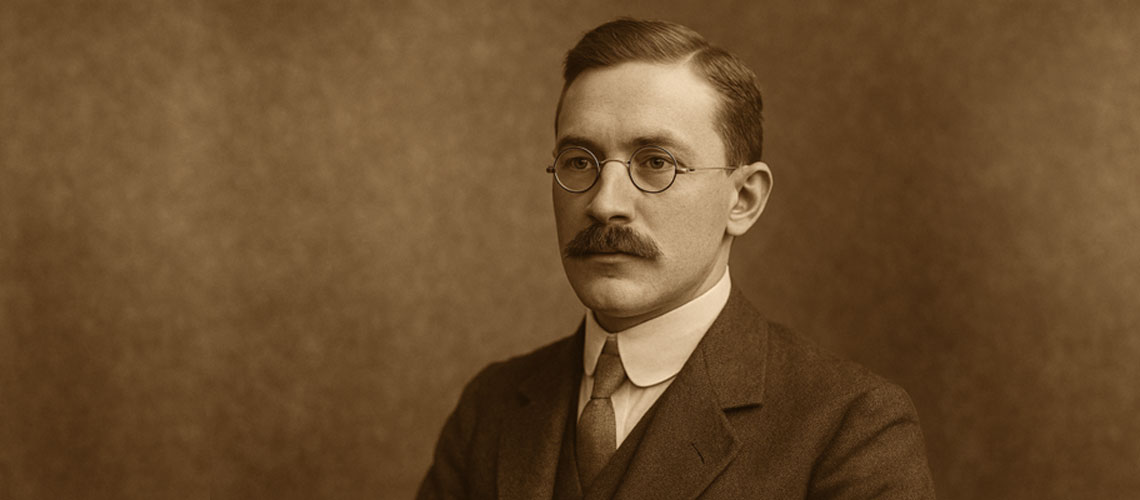
In the 1920s and 1930s glasses were primarily functional. Frames were modest and designed to be as inconspicuous as possible, but symbolised elegance and sophistication and soon became synonymous with artists and intellectuals. The pince-nez style, which clipped onto the nose without temples, was still popular but began to fade as temple-supported designs gained favour. Round frames made from gold, silver, or steel were the standard. By the 1930s, manufacturers started introducing more stylish options and tortoiseshell became a fashionable alternative to metal frames. During the 1930s cat-eye frames first emerged. This decade was also when sunglasses began to take a widespread foothold in fashion. |
||||||||
|
1940s AND 1950s: THE BIRTH OF STATEMENT FRAMES
The mid-century brought bold changes to eyewear. During the 1940s, the availability of new materials allowed designers to experiment with shapes and colours. Glasses transitioned from being purely functional to making a fashion statement. The cat-eye shape gained popularity with women by exuding glamour and femininity with their upswept corners and rhinestone embellishments. For men, the classic browline glasses featuring thick upper rims resembling eyebrows became a defining style. This era saw the rise of branded eyewear, with styles which remain popular today. The 1950s saw a world-wide explosion of popularity in sunglasses. Aviator sunglasses are one of eyewear’s most iconic and recognisable styles of sunglasses. Originally used in the late 1930s to shield pilots’ eyes from the sun’s rays when flying, it wasn’t until the 1950s that their popularity soared amongst celebrities and the general public alike. |
||||||||
|
1960s AND 1970s: BOLD EXPERIMENTATION AND COUNTERCULTURE
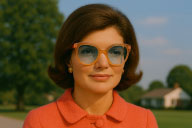
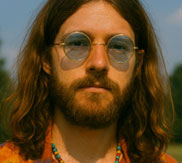
The world was changing in the 1960s which marked a turning point in which glasses were no longer seen as a necessity but as an accessory that could define a person’s style and attitude. It ushered in an era of bold experimentation. Oversized frames became a chic trend popularised by celebrities such as Jackie Kennedy, reflecting the playful and rebellious spirit of the decade. In the 1970s, eyewear became more eclectic, mirroring the free-spirited counterculture. Colourful plastic frames, tinted lenses in shades of pink and blue, and bold unconventional shapes captured the modernist spirit of the era. Wire-rimmed glasses, often associated with intellectuals and the hippie movement, gained popularity as a symbol of counterculture and rebellion, complementing the relaxed and bohemian fashion trends of the time. |
||||||||
|
1980s: BIGGER, BRIGHTER, BOLDER
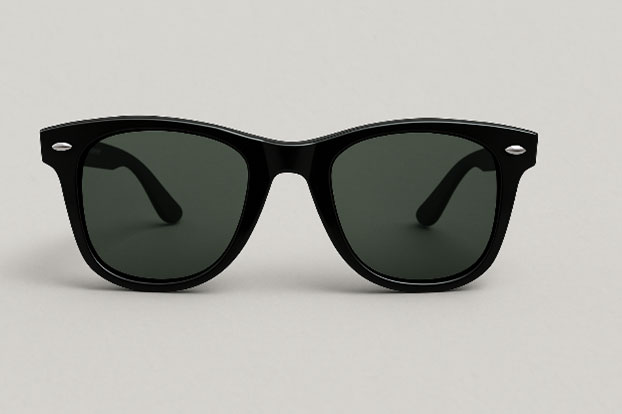
The 1980s were all about making a statement, and eyewear was no exception. Frames grew larger and more colourful, often featuring bold geometric shapes and bright neon colours. Oversized glasses with thick rims dominated the fashion scene, emphasising extravagance and confidence. Well-known brands entered the eyewear market and designer logos became a prominent feature on frames, elevating glasses to luxury high-fashion status. The classic Wayfarer frame, which had been introduced in 1952, became popular again when worn by Tom Cruise in a movie. With its flare-shaped lens, this style is the perfect combination of retro chic and modern technology. |
||||||||
|
1990s: RETURN OF MINIMALISM AND FUNCTIONALITY
In contrast to the boldness of the 1980s, the 1990s saw a return to practicality and minimalist designs. Wire-rimmed glasses in gold and silver as well as rimless and semi-rimless frames offered a sleek streamlined look, emphasising subtlety and functionality. Asymmetrical shapes reminiscent of modern art made an appearance as a statement about bringing back old trends while keeping up with the latest styles. |
||||||||
|
2000s: TECHNOLOGY MEETS FASHION
The turn of the millennium brought significant advancements in frame materials and technology, and glasses became more comfortable. Rebelling against the minimalist designs of the 1990s, fashion trends drew inspiration from past decades, with retro styles of the 1940s and bold designs of the 1980s enjoying a resurgence. Chunky plastic frames and sunglasses in bold shapes, colours and patterns appeared, blending nostalgia with a modern look. Eyewear brands began to cater to niche markets, offering frames tailored for specific activities, such as sports or digital screen use. |
||||||||
|
2010s: INDIVIDUALITY AND SUSTAINABILITY
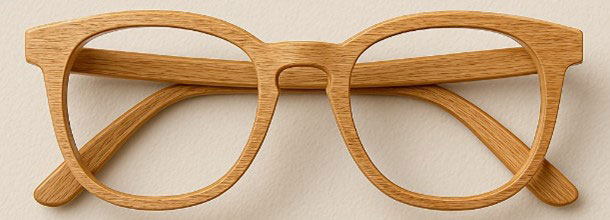
This was a decade of reflection and renewal, and with the vast array of shapes, colours and materials available, there was experimentation with styles from previous decades, and classic designs acquired a fresh look. Glasses became a way for people to express their individuality. Sustainability emerged as a key trend, with brands introducing eco-friendly frames made from recycled materials, bamboo, and biodegradable acetate. Aviators came back, as did rectangular frames, and mirrored sunglasses became popular. |
||||||||
|
2020s: TECHNOLOGY AND TIMELESS STYLE
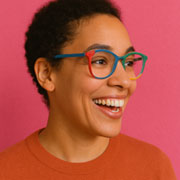
Over the years, glasses have become a fashion accessory and are no longer seen as a necessity for those with poor vision, as more and more people who don’t need them wear them as a statement piece. In the current decade, frame design combines cutting-edge technology with timeless aesthetics. Retro-inspired designs, such as aviators, round wire frames, and cat-eye shapes, continue to thrive. Minimalist styles with translucent or clear acetate frames are particularly popular, offering a modern twist on classic designs. As we spend more time on screens, more people are wearing specialised glasses to minimise eye strain. Smart glasses, equipped with features like augmented reality, fitness tracking, and audio capabilities, are making their way into the mainstream. Sustainability remains a major focus, with many brands adopting innovative materials like ocean plastics and carbon-neutral practices in manufacture. The rise of 3D printing has revolutionised eyewear, allowing for customised, on-demand frame production with minimal waste. |
||||||||