 |
|||||||||
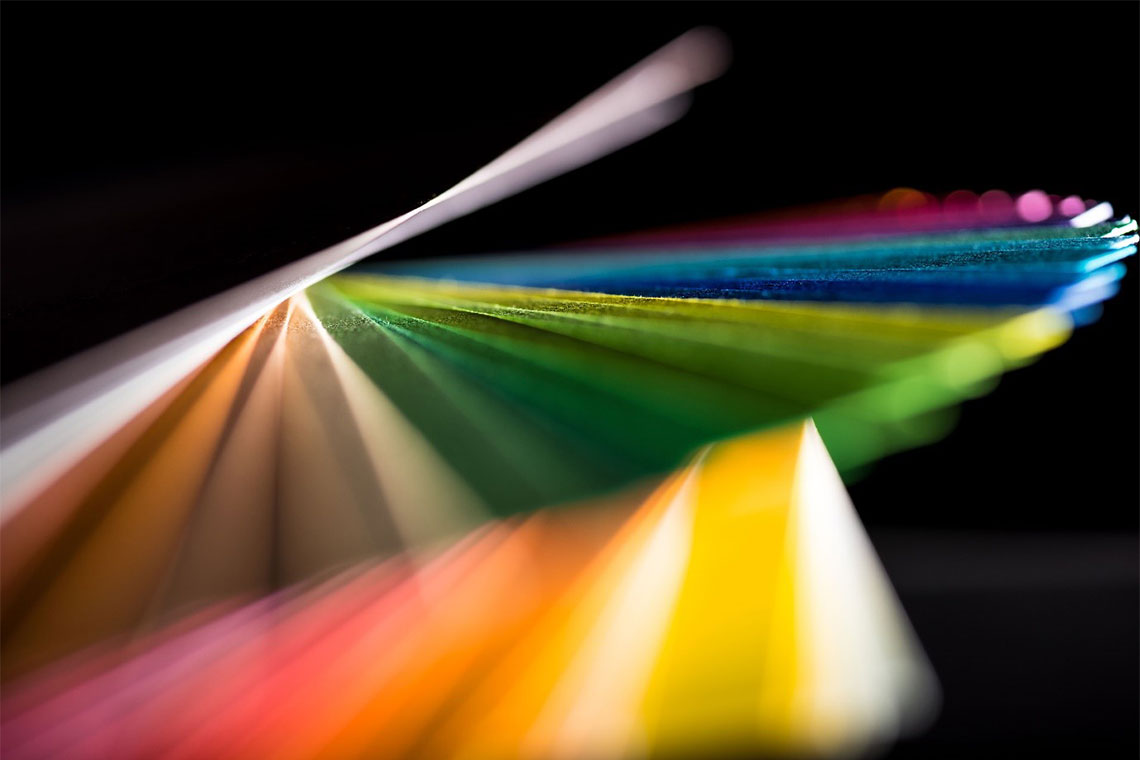
Colour plays a central role in how we experience the world. With 90% of information sent to the brain being visual, colour is fundamental to human perception, deeply influencing psychology, behaviour, and communication. It impacts moods, facilitates emotional expression, enhances cognitive functions like memory, informs decision-making, and helps us identify hazards. It even plays a role in language: we feel blue, see red, are green with envy. Our ability to perceive millions of colours relies on the way light interacts with the eye and brain. The complex process of colour vision begins with light. When light enters the eye, it is focused onto the retina at the back of the eye, where specialised cells called cones respond to different wavelengths and convert the light into electrical signals. The three types of cones each detect a different spectrum of light, red, green or blue, and send these electrical signals along the optic nerve to the brain. By combining and processing signals from the three cones, the brain is able to interpret millions of colour variations, as well as subtle differences in shade, brightness and contrast. |
|||||||||
|
COLOUR AND EMOTION
Colour has a powerful psychological impact on mood and can influence wellbeing. Our emotional response to colour is a blend of biology, psychology, and personal experience. Natural light and cool colours, like greens of plants, blues of sky and water, are calming and restorative and are linked to reduced stress. They tend to evoke a sense of trust and relaxation, while warm colours like red, orange, and yellow are often associated with energy, warmth, and excitement. Even subtle changes in shade can change the influence on mood and have a different effect. For example, yellow boosts mood, but excessive amounts of it can cause visual fatigue. Soft pastel tones can feel soothing and gentle, while bold, saturated colours may feel dynamic and intense. |
|||||||||
|
COLOUR AND BEHAVIOUR
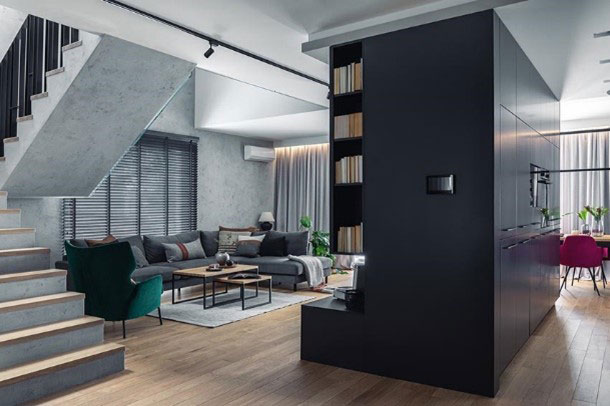
Colour can influence our actions, they provide information and shape the choices we make in our daily lives, for example stopping at red traffic lights or not eating unripe fruit. Traffic lights, warning signs, and safety markings rely on colour for instant recognition and reaction. These associations are so deeply ingrained that we respond to them almost automatically. In shops, product packaging colours can influence what we buy, while wall colours and décor affect how comfortable we feel in our home space. In clothing, colour communicates personality, confidence, and mood before a single word is spoken. In interior design and workspaces, thoughtful colour choices can improve focus, productivity, and comfort. COLOUR AND LEARNING
Research shows that colour helps up process visual scenes more effectively, and images in colour are remembered better than those in monochrome. It stands to reason then that colour used appropriately enhances learning and helps children to develop fine motor skills, creativity and emotional expression. It can improve reading and comprehension, particularly in children who have difficulty in those areas. Effective choice of colour can increase alertness, maximise productivity and minimise visual fatigue, all of which are important in the classroom. Colours aid in organising and categorising information, making it easier to navigate, understand and retain data. |
|||||||||
|
COLOUR IN MARKETING
Companies think carefully about their choice of colour to trigger the emotions of their clients, whether for their corporate identity, their social media presence or their next advertising campaign. Without being consciously aware of it, we often buy certain products based on brand recognition and our associations with various colours. Marketing specialists need to ensure that products catch a consumer's eye within the short space of time in which purchasing decisions are made. CULTURAL INTERPRETATION OF COLOUR The interpretation of colour is not universal but is shaped by culture and tradition, and carries specific, often varied, cultural meanings. White may represent purity in some cultures and mourning in others. Red can symbolise love and passion in one context, and luck and prosperity in another. This cultural layer adds richness and complexity to how colour communicates meaning across the world. FAVOURITE COLOURS
In spite of all the universal interpretations, colour is a private sensation, a personal preference governed by each person's unique experiences. Almost everybody has a favourite colour, or if not a specific favourite at least a colour choice that draws your attention more than others and is said to offer a glimpse into your particular personality and character traits. Each of the seven colours of the rainbow triggers a certain psychological response and can change not only your mood but the mood of others around you. In essence, colour is more than just what we see, it's how we experience the world. From influencing our emotions and decisions to shaping culture and wellbeing, colour quietly guides our lives every day. Because colour plays such a central role in our lives, clear colour vision is essential. Changes in colour perception can affect everyday life in ways people are not always aware of at first. If you notice changes in how you experience colour, visit your optometrist for an eye examination. |
|||||||||