 |
||||||||
|
Vision changes are often blamed on age, screens, or genetics. But one of the most powerful influences on eye health is lifestyle. The eyes rely on healthy blood flow, oxygen, and delicate surface balance to function properly. Anything that interferes with circulation, oxygen levels, or tissue health will eventually affect visual health, and this is exactly where smoking and vaping have a direct impact. Smoking and vaping create slow, cumulative damage that often goes unnoticed until vision is already affected. HOW DO SMOKING AND VAPING AFFECT VISION?
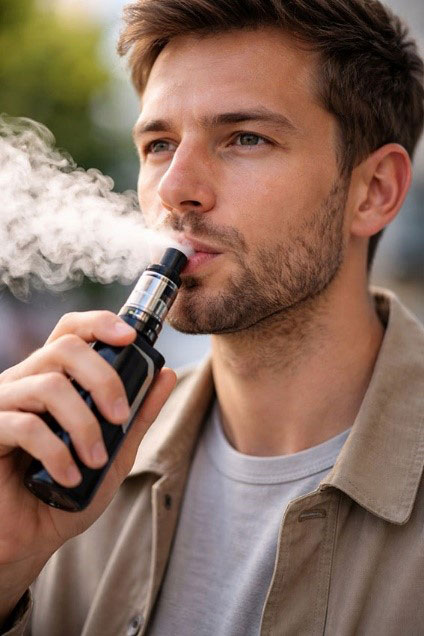
As well as smoke irritating the eyes, smoking introduces toxic chemicals into the bloodstream that damage blood vessels and reduce oxygen delivery throughout the body. The eyes, which depend on a constant supply of nutrients and oxygen, are especially vulnerable. Over time, this reduced circulation can weaken important eye structures, affecting both the surface of the eye and deeper internal tissues. Vaping is often seen as a safe alternative to smoking, but the reality is more complex. The long-term effects of vaping on eye health are still being studied, but early evidence shows that it is not neutral or risk-free, but that vaping has risks that are different from smoking, particularly for a system as sensitive as the eyes. While there may not be smoke, the vapour contains nicotine and chemical compounds that affect circulation and tissue health. Nicotine narrows blood vessels, reducing blood flow to the eyes and increasing strain on delicate structures. WHAT VISUAL PROBLEMS ARE ASSOCIATED WITH SMOKING AND VAPING? Dry Eye The presence of smoke alone is an eye irritant, which can cause or exacerbate dry eyes, particularly in contact lens wearers. One of the earliest and most common effects is eye discomfort as a result of the breakdown of the tear film due to the smoke and toxins.
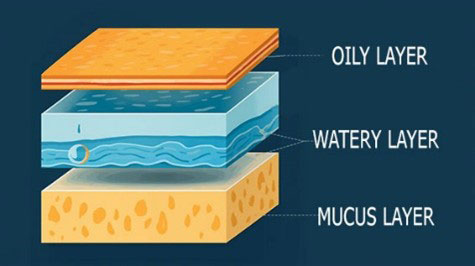
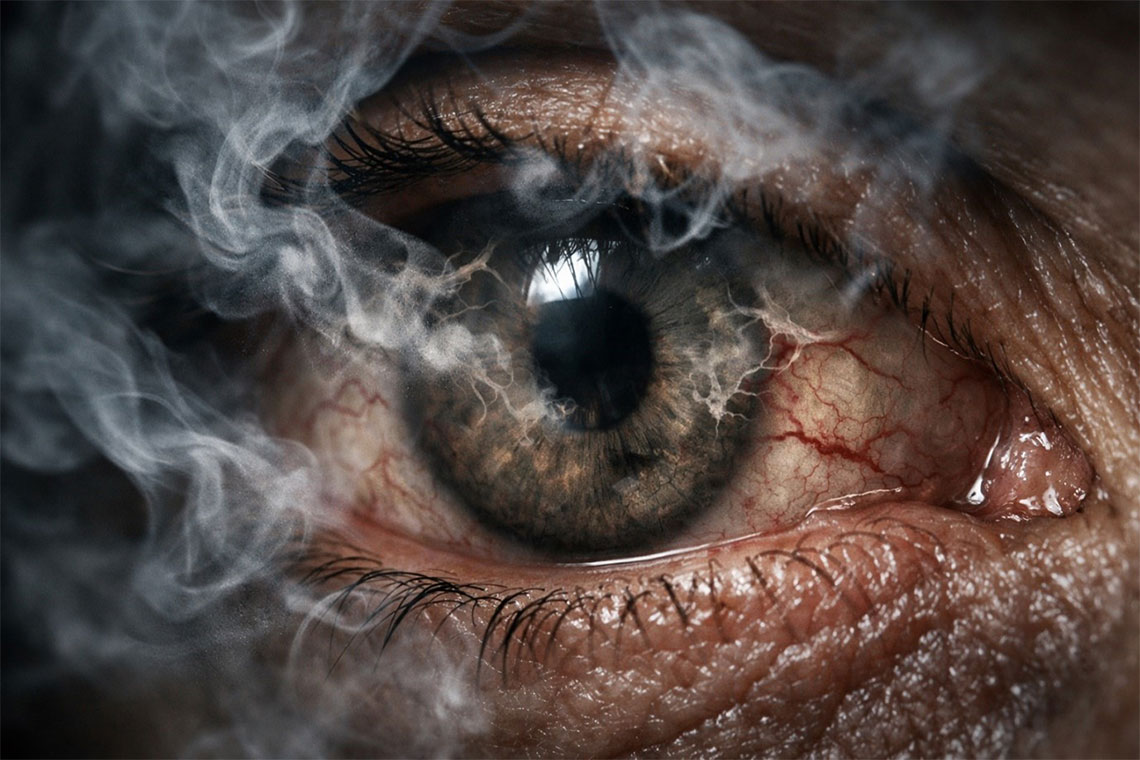
Many smokers experience burning, stinging, redness, and gritty sensations. The protective tear film becomes unstable, leading to dryness and irritation. This doesn't just cause discomfort; it also affects visual clarity and focus, especially when reading, driving, or working on screens. People who vape often report similar symptoms to those experienced by smokers because the fine particles in vapour can disrupt the tear film and irritate the surface of the eye. The eyes have three tear layers: an outer oily layer, a middle watery layer, and an inner mucus layer. Smoke affects the outer layer, which causes the inner watery tear layer to dry out. Nicotine found in cigarettes and vaping substances acts as a stimulant to the central nervous system. As a result, the heart rate increases and blood vessels narrow restricting blood flow. To overcompensate, the body pumps more blood, which can lead to red eyes. |
||||||||
|
Cataracts
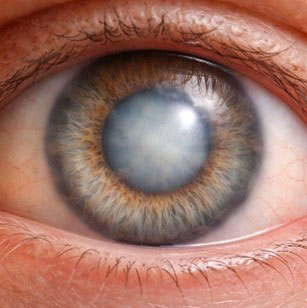
Cataracts develop when the eye's naturally transparent lens becomes cloudy, causing blurred vision, light sensitivity and difficulty driving at night. Free radicals are responsible for damaging the lipids and proteins in the eyes and causing deposits to form on the surface of the eye's lens leading to cataract development. Smoking increases the number of free radicals in the eyes. While the antioxidants consumed in the diet may help to fight the free radicals, smoking can kill off the antioxidants and produce toxins that lead to cataracts. Smoking can double the risk of developing cataracts at an earlier age. Age-related Macular Degeneration Age-related macular degeneration (AMD) is a condition that severely impairs central vision, making it difficult or impossible to read, drive and recognise faces and colours. If left untreated, AMD can lead to permanent vision loss and blindness. Smoking causes the retinal blood vessels to constrict, which can increase blood pressure and the risk of permanent vision loss from both the wet and dry forms of AMD by up to four times. Research also suggests that people who smoke have lower levels of the macular pigments lutein and zeaxanthin, which are responsible for protecting the macula from ultra-violet (UV) radiation, another risk factor for AMD. Diabetic Retinopathy Smoking increases the risk of diabetes, increasing the risk of diabetic retinopathy as well. Diabetes damages the tiny blood vessels in the retina, causing them to leak blood and fluid into the eye, leading to blurry or distorted vision and partial or total vision loss. Glaucoma Smoking can increase risk factors which can lead to glaucoma, a condition that affects the optic nerve which connects the eye to the brain. Uveitis The harmful chemicals in cigarettes and vape substances can cause uveitis, a condition which occurs when the eye's uvea, or central layer, becomes inflamed, leading to damage to the retina and iris. If left untreated, permanent vision loss can result. |
||||||||
|
IS SECOND HAND SMOKE HARMFUL TO THE EYES?
Second hand smoke has been shown to be just as harmful as actually smoking when it comes to eye health and the development of conditions such as dry eye. Research suggests that children, too, are susceptible to the effects of second-hand smoke. Prolonged exposure can irritate the surface of the eyes, leading to redness, watering and discomfort, particularly in sensitive individuals. Over time, it may also increase the risk of more serious eye conditions by contributing to ongoing inflammation and reduced tear quality. WILL GIVING UP SMOKING OR VAPING MAKE A DIFFERENCE TO EYE HEALTH? The eyes respond positively to healthier choices. Reducing or quitting smoking and vaping improves circulation, oxygen delivery, and surface eye health. Regular eye examinations are also important. Many serious eye conditions linked to lifestyle habits develop without pain or obvious early symptoms. Routine check-ups allow problems to be detected early, when treatment is most effective and long-term prognosis better. Healthy habits protect healthy vision! |
||||||||