HOW TWO EYES CREATE ONE CLEAR WORLD
 |
||||||||||||
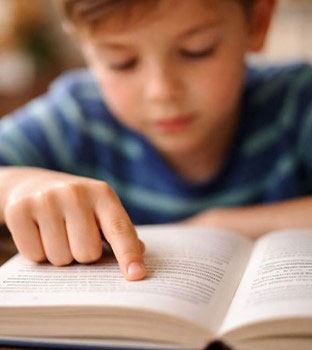
Binocular vision is the way our two eyes work together to create a single, clear picture of the world around us. Because our eyes are positioned a few centimetres apart, each eye sees the world from a slightly different angle, but instead of seeing two separate images, one from each eye, our brain blends them into one. This teamwork between the eyes and the brain gives us depth perception, allowing us to judge the relationship between objects, how far away things are, how big they are, and where they are in space. It provides a larger, more comprehensive visual field than one eye alone and results in a clearer and more accurate perception of the world. Binocular vision is especially important in everyday life. It helps with balance, coordination, and movement. Daily activities such pouring water into a glass, catching a ball, parking a car, or navigating stairs all rely heavily on good binocular vision. Children use it when learning to read and write, as their eyes must work together to track words across a page. Adults depend on it for many work tasks that require accuracy and hand–eye coordination. When binocular vision is working well, we don't even notice it; it feels completely natural. Without binocular vision, making sense of classroom instructions on a blackboard or screen, and performing simple tasks such as walking or running becomes difficult. |
||||||||||||
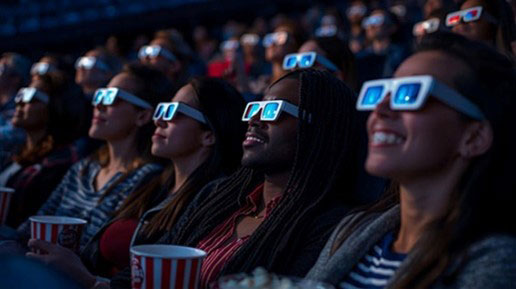
A fun and familiar example of binocular vision in action is the 3D cinema experience. When you watch a 3D movie, each eye is shown a slightly different image using special polarised glasses. The brain then combines these two images in the same way it does in real life, creating the illusion of depth. Objects appear to pop out of the screen or sink deep into the background, putting the audience right in the middle of the action. This works because the technology is copying the natural process of binocular vision — two different images, one from each eye, merged into a single three-dimensional picture by the brain. |
||||||||||||
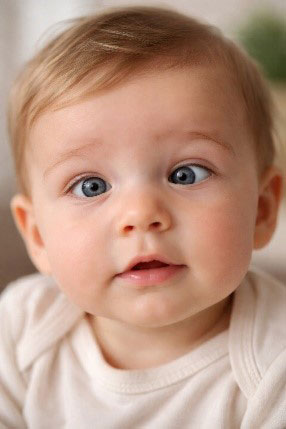
Those with impaired binocular vision often appear clumsy and uncoordinated because they lack the ability to orient themselves in relation to their environment. They may experience dizziness and headaches, double vision, eye strain, poor eye contact, restless sleep, motion sickness and unsteadiness while walking. In children, binocular vision disorders can cause significant problems with learning and doing schoolwork. They often avoid doing schoolwork as they struggle to follow the words on the page, have trouble concentrating while reading, become easily tired and reading comprehension is compromised. While parents may notice that their child seems to have a squint, that the eyes are looking in two different directions, binocular vision impairments are not easily detected by others as they are often not obvious or consistent and may be apparent only when the child is tired or ill. Because they are often overlooked, it is important for children to have regular eye examinations, particularly while the visual system is developing. Detecting a binocular vision disorder early can prevent years of struggle for a child. Fortunately, most problems with binocular vision are easily treated with glasses, contact lenses, vision therapy, or, in some cases, surgery. The eyes of a newborn baby may appear to squint or move separately from one another at times. This is normal as their vision develops and the eyes and brain learn to work together. It should improve within two to four months. If it persists or appears later, the baby's eyes should be assessed by an eye care professional.
Binocular vision is what turns flat images into a world with depth. It allows us to move confidently, interact safely with our environment, and enjoy experiences like 3D movies that feel immersive and real. It's one of the most important and fascinating ways our eyes and brain work together, shaping how we see, move, and live every day. However, many people are unaware of how important it is until a problem arises. Regular eye exams can help detect binocular vision issues early, preventing them from affecting quality of life. The sooner you address these concerns, the sooner you can get back to living your life with clear, comfortable vision. |
||||||||||||