 |
||||||||
|
Imagine your eyes as quiet passengers on a long train journey. They don't drive the train. They don't choose the route. But they experience every bump, tunnel, and sudden change in speed. That train is your bloodstream. And every tablet, capsule, injection, or syrup you take becomes part of the journey. Most people think of medication as targeted: blood pressure pills for the heart, antibiotics for infections, antihistamines for allergies. But the body doesn't work in neat compartments. Once a medication enters your system, it travels everywhere, including to the eyes. And the eyes, delicate and highly vascular, are remarkably sensitive to these chemical travellers. Medications can affect vision through various mechanisms. Some drugs may alter the function of the optic nerve, while others might impact the muscles that control eye movement or the blood vessels supplying the eyes. Certain medications can lead to changes in the fluid balance within the eyes, potentially causing increased intraocular pressure. Some effects are subtle, others cause vision problems, and then there are those that cause less noticeable but more serious changes that happen gradually over time. Many medication-related eye effects are temporary and manageable when identified early, and simple interventions can protect long-term vision. Dry Eyes
One of the most common side effects of medications on the eyes is dry eye syndrome, a condition which occurs when tear production is reduced, tears evaporate too quickly or the composition of the tears is altered. Typical symptoms may be blurred vision, burning and irritation. Medications that may cause dry eyes include antihistamines, decongestants, certain antidepressants, beta blockers for blood pressure, oral contraceptives, hormone replacement therapy and specific medications prescribed for skin conditions such as acne. |
||||||||
|
CHANGES IN VISION Several medications can cause vision changes which may be temporary or signal a more serious problem. Blurred vision, difficulty focusing and changes in colour perception may be the result of certain blood pressure medications, antihistamines and antidepressants. Double vision can occur if medications affect the muscles that control eye movement. Light Sensitivity
Some medications can affect the pupils or the retina, making the eyes more sensitive to light. Bright lights can cause discomfort or pain, night driving may be more difficult and viewing screens may become more uncomfortable. Medications that may cause photophobia include certain antibiotics, diuretics, medications for skin infections and antipsychotic drugs. Eye Inflammation and Allergic Reactions In rare cases, medications can lead to eye inflammation or allergic reactions affecting the eyelids or conjunctiva. For example, Sulfa drugs and some antibiotics can cause conjunctival irritation or swelling. Long-Term Risks
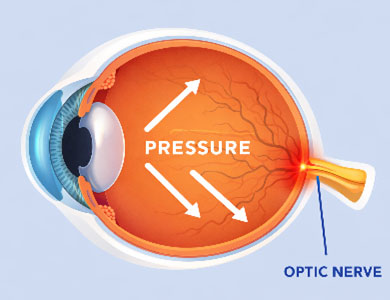
Some drugs may accelerate cataract formation, and some systemic medications, such as corticosteroids, can affect the optic nerve or the retina. Long-term use can increase eye pressure over time, raising the risk of glaucoma and changing vision slowly and silently. By the time symptoms are noticeable, damage may already be established. A certain medication for epilepsy and migraines has been associated with acute angle-closure glaucoma. |
||||||||
|
Side Effects of Eye Medications
At times it is necessary to use medications specifically prescribed for short-term treatment or longer-term management of eye conditions to prevent further complications and possible vision loss. The eye problems that may need to be handled with medication include inflammation, infections, elevated eye pressure, allergies, dry eyes, chronic eye conditions and post-surgical care. Most side effects of eye medications are mild, such as slight irritation or redness. However, should there be symptoms like continuous pain, excessive swelling, severe light sensitivity, sudden changes in vision or unusual discharge from the eyes, it is crucial to seek medical intervention. Most people never think about mentioning their medications when going for an eye examination, but this information is important. Our eyes are sensitive organs that can be affected by systemic medications in surprising ways. Eye examinations often reveal early signs of these side effects before other symptoms appear. Subtle changes in blood vessels, eye pressure, or nerve function can act like warning lights on a dashboard, and taking proactive steps early can help prevent minor issues from becoming serious problems. |
||||||||