THE EYES SPEAK VOLUMES
 |
||||||||
|
Our eyes reveal our inner state whether we want them to or not. They play a critical role in communication, conveying emotions, intentions, and thoughts, often communicating far more than words can and offering valuable insights for which words may be inadequate. The subtle movements and changes in the eyes convey micro expressions and messages which we are unable to manipulate and are often unaware of, because they are involuntary and out of our control. The eyes are powerful tools that shape understanding and connection, transcending cultural and linguistic barriers, adding depth to verbal and non-verbal communication.
Eye contact is one of the fundamental components of non-verbal communication. The purpose of eye contact is to create a give-and-take relationship. Direct eye contact conveys mutual respect between individuals, shows that the individuals are interested and engaged in the conversation, establishes empathy and creates bonds between people. It helps us understand and learn more about each other, conveys confidence and professionalism, helps establish trust and credibility, and enhances the effectiveness of the message. Avoidance of eye contact, on the other hand, may reveal discomfort, anxiety, irritation, disinterest, or a sense of intimidation or threat. While eye contact is important, it is equally important to be aware of factors such as the setting, the relationship between the individuals and cultural variations. Knowing the appropriate amount of eye contact can be challenging. What is regarded as acceptable in some cultures may be interpreted as confrontational or disrespectful in others. The appropriate amount can create a receptive atmosphere for communication, but intense or prolonged eye contact can be overwhelming and perceived as intimidating or threatening in certain circumstances. Striking a balance ensures that interactions remain comfortable and respectful. Beyond emotions and social signals, the eyes are also instrumental in regulating the flow of conversation. Subtle cues like a glance away or a maintained gaze can signal when it is someone else’s turn to speak, ensuring smoother and more cooperative communication. The direction of the gaze is a potent communication tool. Following another person’s gaze is a natural social behaviour learnt early in human development that reveals their focus and helps us to understand where their attention is directed and what their intention may be. |
||||||||
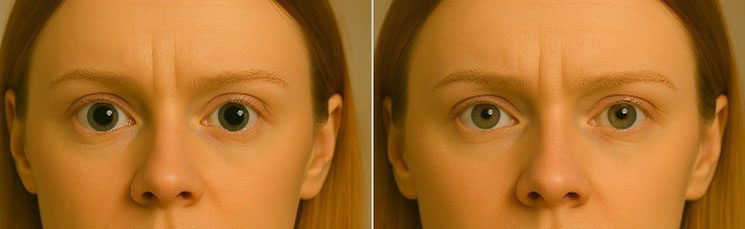
Pupil size is an unspoken indicator of emotion which we cannot control. The pupils fluctuate in response to different emotions. When we are really interested in something or someone, it causes our pupils to widen or dilate as we focus in on the object of interest. Conversely, constricted pupils may indicate fear, discomfort, scepticism or even deception. By observing changes in pupil size, we can gain valuable insights into the underlying emotions of others, enabling us to respond empathetically and build rapport effectively. The rate at which we blink can be indicative of our emotional state, although we cannot voluntarily manipulate our blinking rate for any length of time. Rapid blinking may suggest nervousness or discomfort, while slow, deliberate blinking can convey confidence, calmness and authenticity. Blinking frequently could indicate that the participants in a conversation are either very excited or excessively bored. To truly understand the meaning behind this, it might be more effective to analyse other non-verbal signals, such as gestures, posture and eye contact.
The movement of the eyebrows can effectively communicate a spectrum of emotions. Raised eyebrows can indicate surprise or interest, while furrowed brows may convey concentration or concern. Using the eyebrows consciously can emphasise the emotional state and add depth to communication. Additionally, subtle changes in eyelid position, such as fluttering or half-closed eyes, can convey feelings of flirtation or intimacy, further enriching interpersonal connections. Wide open eyes may be an expression of delight or surprise, while we may narrow our eyes to express distaste, confusion or distrust. If a person rolls their eyes while we are talking, we can be reasonably certain that they are expressing disagreement or disbelief in what we are saying. Although it is commonly believed that when someone is lying, they can’t look one in the eye, the results of a study on deception suggested the opposite. When people were asked to either tell the truth or lie, the “liars” tended to engage in more eye contact than when they were telling the truth. Perhaps they knew the common stereotype about deception and overcompensated when lying by maintaining eye contact? |
||||||||
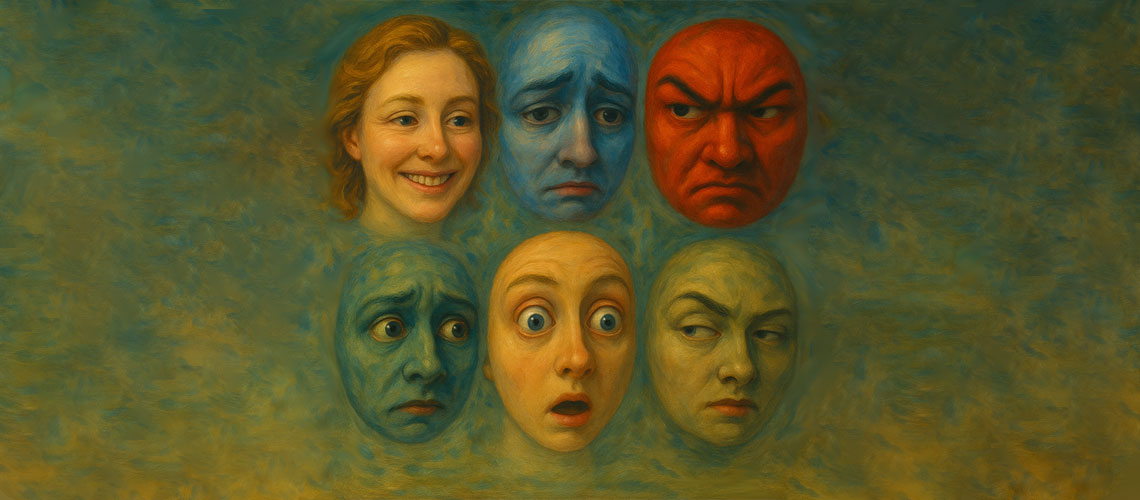
The eyes can easily “give you away”. If you lower your eyes and look down while talking, you may unknowingly communicate guilt or uncertainty. If you open your eyes wide and use a piercing stare, you may unintentionally show your anger. Yet, if your eyes are relaxed, open and friendly you may be saying to someone you are truly interested in them and what they have to say. A twinkle in the eyes can indicate amusement or joy. To communicate effectively, consider what your eyes are doing almost as much as you consider your words. One of the most significant aspects of eye communication is its ability to express emotion. Happiness, sadness, anger, fear, surprise, and contempt can often be perceived just by looking at someone’s eyes, allowing others to interpret complex emotional states. |
||||||||
When we think of body language — nonverbal communication — we immediately focus on facial expressions, gestures, and body movements as communication cues. The movement of the eyes and how we use them are often overlooked, but they are an important means of communication. The Eyes Are a Critical Component of Facial Expressions. Although we may search for a smile or a frown as a body language cue, our eyes and their complex musculature play an important part in the accurate facial expression of emotions. Rubbing your eyes – The most common reason someone might be rubbing their eyes is tiredness, but this can also indicate frustration and irritation. Again it is essential to look at other non-verbal cues to analyze the meaning behind this behaviour. Be careful about what your eyes are saying. Simply put, the eyes often communicate emotions and hidden meaning. When we think our child or spouse has done something wrong but is denying it, for example, we often say, “Look me in the eye and tell me that.” When they can’t, we’re convinced they’re not being honest. In a similar way, the eyes can give away your feelings, particularly when communicating challenging information. They can show fear, happiness, boredom and uncertainty. Eye to Eye “The eyes have one language everywhere.” George Herbert (1593–1633) Bear in mind the words of the famed English writer G.K. Chesterton: “There is a road from the eye to the heart that does not go through the intellect.” |
||||||||