WHAT’S SO SPECIAL ABOUT OUR EYES?
|
A group of children was asked what is special about their eyes, and their answers were both interesting and amusing. One child said: “To make sure Mum’s not sneaking broccoli into my dinner,” while another responded: “So we can watch cartoons”. “Without eyes, hide-and-seek would be just seek,” was one thoughtful comment. With regard to school, one child said that “eyes make sure we’re colouring inside the lines ......mostly”. And a favourite: “To see if it’s really bedtime or if the sun is still awake.” WHAT IS SO SPECIAL ABOUT OUR EYES?
As one of the primary sense organs, the eyes have a vital role to play in various areas of our lives. They allow us to navigate the world around us, to experience the world in three dimensions through depth perception, to adjust to different light conditions by regulating the amount of light entering the eye. They allow us to enjoy visual media for entertainment and to decipher written text for information. The eyes help us to protect ourselves by being aware of danger. Communication is enhanced through the interpretation and understanding of facial expressions and body language. Our world is brightened by our ability to recognise and distinguish millions of different colours. |
||||
|
WHAT’S SO SPECIAL ABOUT REGULAR COMPREHENSIVE EYE EXAMINATIONS?
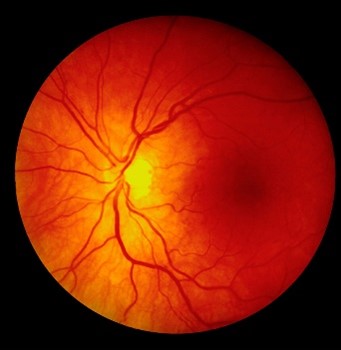
“I can see clearly; my eyes are fine.” This is a common reason that many people tend to delay going to the optometrist regularly for a comprehensive eye examination, but an eye examination is not simply about clear vision. The tiny blood vessels and nerves at the back of the eye often reflect changes happening, not only in the eyes, but throughout the body. The back of the eye is the only area of the body in which a person’s blood vessels and nerves can be seen clearly. During a retinal examination, optometrists can spot early signs of several conditions. Many eye diseases, such as glaucoma, macular degeneration and diabetic retinopathy, develop slowly and painlessly, usually with no noticeable symptoms in the early stages. By the time we are aware of visual problems, damage may already be permanent. An eye examination can also uncover early signs of high blood pressure, diabetes, high cholesterol, autoimmune diseases and neurological problems. |
||||
|
EYE CARE AWARENESS MONTH, WORLD SIGHT DAY
Eye Care Awareness Month (21 September to 18 October), and specifically World Sight Day on 9 October, is dedicated to raising awareness about the importance of eye health and the prevention and treatment of avoidable blindness. It highlights the fact that the eyes don’t just help us see but are able to reveal serious vision and general health conditions often before symptoms appear. The earlier vision and health conditions are detected, the earlier they can be treated, the more frequently they can be monitored and the better the long-term outcome will be. On World Sight Day a spotlight is shone on the importance of eye care. The theme for World Sight Day 2025 is "Love Your Eyes" with a focus on putting people at the heart of eye health. The campaign emphasises the impact of eye health on people’s lives and aims to make eye care accessible, available, and affordable for everyone, promoting timely intervention for vision conditions. When someone loses their sight, it affects every aspect of their life, including missing out on an education and the opportunity to socialise with friends, or being unable to work and losing independence and an income. |
||||
|
MAINTAIN GOOD EYE HEALTH
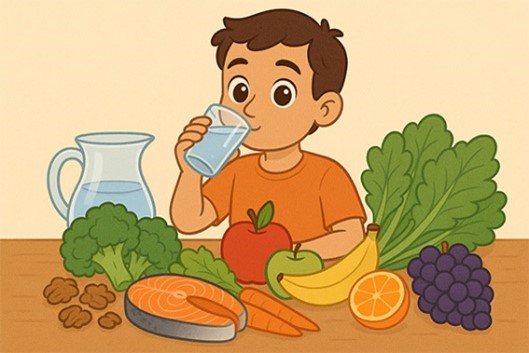
A healthy diet is essential for excellent eye health. Antioxidant-rich foods, such as leafy greens, nuts, carrots, and colourful fruits, can help protect the eyes from age-related disorders such as macular degeneration. Omega 3, found in oily fish, nuts and seeds, promotes eye health. Proper hydration is critical for keeping the eyes moist and healthy. Dehydration can cause dry eyes, which results in burning, watery eyes and blurred vision. Blink regularly. We spend more time than ever before looking at screens that link us to our digital world. Combat dry eyes and computer vision syndrome by using artificial tears and blinking frequently. Follow the 20-20-20 rule. To help reduce eye strain, every 20 minutes, take a 20-second break and concentrate your attention on something at least 20 feet away. |
||||
|
PROTECT YOUR EYES FROM UV RAYS
Prolonged exposure to ultraviolet (UV) rays from the sun can increase the risk of eye conditions like cataracts and age-related macular degeneration. Wear sunglasses that block 100% of UVA and UVB rays. A wide-brimmed hat can also help shield your eyes from direct sunlight. Remember that UV rays can penetrate clouds, so protection is important even on overcast days. Tobacco use has been related to an increased risk of eye diseases such as macular degeneration. Quit or at least cut back on smoking. Health conditions such as diabetes and hypertension can have a negative impact on vision. To lower the risk of eye disease, adopt a healthy lifestyle and manage chronic medical conditions by having regular medical check-ups. Use protective eyewear when participating in sports or activities that might result in eye injury. Sleep is essential for general health, including eye health. Inadequate sleep can cause eye muscle fatigue, which affects one’s ability to focus and maintain single vision. Vision is an important bridge that connects us to the world. Because we can see, we can experience beauty and discover the world. Make eye health a priority during Eye Care Awareness Month. |
||||