THE SILENT THIEF OF VISION
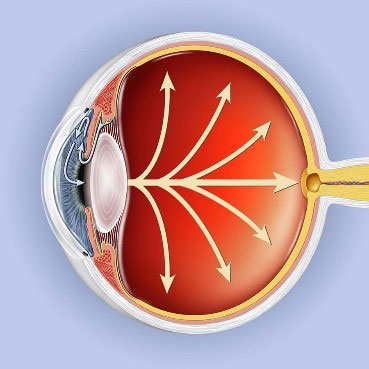
Glaucoma is a chronic, progressive eye disease caused by damage to the optic nerve. The eyes constantly produce fluid which circulates in the front part of the eyes and drains through the drainage angle. If this becomes blocked or too much fluid is produced, a build-up of fluid leads to an increase in pressure and gradual damage to the optic nerve. Glaucoma is aptly called the “silent thief of vision” because there are no early symptoms and by the time the person is aware of a vision problem damage to the optic nerve has already occurred. Regular eye examinations can detect the condition in its early stages and the progression can be slowed or even stopped. “I don’t know what its like to have normal vision,” says Amanda. “My glaucoma was diagnosed when I was three months old. That was 35 years ago. Thanks to prompt action by my parents, it was detected and treated early, and my vision was stabilised.” Glaucoma is rare in children, affecting one in 10,000 children, and can be present at birth or develop in infancy. Typically, it affects adults over the age of 40 but it can happen to anybody at any age. Pat was diagnosed in her early 30s after an eye examination. “I just went to my optometrist for new glasses and she found I had early signs of glaucoma. Everybody should have regular eye examinations.” Nathan’s glaucoma was diagnosed when he was 54 years old. “My grandfather and mother both developed glaucoma in their 60s, so I knew I had a higher risk of developing it. I made sure I had my eyes checked regularly.” Anyone can develop glaucoma, but some people are at higher risk, particularly those with a family history of the disease. Other risk factors include certain ethnic groups, a high degree of shortsightedness or farsightedness, decreased corneal thickness, diabetes, long-term use of certain steroid medications, increased eye pressure and injury or trauma to the eye. As well as having annual vision check-ups, it is important that your optometrist is aware of your family history and other glaucoma risks. |
||||
There are several types of glaucoma, the most common being open-angle glaucoma which is due to inadequate drainage of fluid resulting in increased intra-ocular pressure. There are no obvious symptoms at first but as the disease progresses changes to vision are noticed. Because of damage to the optic nerve, small blind spots and reduced peripheral vision occur. There may be blurred vision, increased light sensitivity and difficulty reading or working in dim light. Eventually there is irreversible loss of vision, which can be controlled if the condition is diagnosed and treated early. Acute angle-closure glaucoma occurs when the drainage canal in the eye becomes completely blocked and eye pressure rises rapidly. This is a medical emergency requiring immediate treatment. Sello suddenly began to experience severe eye pain, eye redness and a headache. “I felt nauseous and the vision in my right eye was very blurred. I went immediately to get help and I was told I have glaucoma. I was given medication and eye drops to reduce the pressure and will have a laser procedure to prevent further vision loss.” Less common types of glaucoma include secondary glaucoma, when another condition such as cataracts or diabetes causes increased eye pressure, normal-tension glaucoma, optic nerve damage without increased eye pressure, congenital glaucoma, and inflammatory glaucoma caused by autoimmune or inflammatory conditions. |
||||
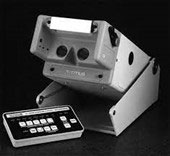
When Marissa applied to renew her driver’s licence, she failed the routine eye test because of problems with her peripheral vision. She made an appointment to see an optometrist who took a detailed medical and family history and did a comprehensive eye examination before diagnosing glaucoma. Tests included a visual acuity test to assess her vision at various distances, a visual field test for peripheral vision and a test to determine the pressure in the eyes. Her pupils were dilated to allow an examination of the retina and optic nerve, and photographs were taken so that changes could be monitored at each visit to her optometrist. Nathan is aware that his condition could be neither prevented or cured and that treatment will be life long, but he can manage it by using prescribed eye drops daily and by having regular eye examinations. The most important factor in vision protection is monitoring the progress of the disease. Treatment options include medication, eye drops, laser surgery or a combination of these. “After my glaucoma diagnosis, I went into immediate panic mode, but then I realised that I could live with this condition; I just had to learn to do things differently.” A glaucoma diagnosis can be frightening but certain lifestyle changes can be made to keep the eyes as healthy as possible. |
||||
A healthy balanced diet which includes dark leafy greens, foods rich in omega-3 fatty acids and antioxidants can help to maintain body and eye health. Regular exercise may help lower eye pressure and keep blood flowing to the nerves in the eyes. Give up or at least cut back on smoking and reduce caffeine intake which can raise eye pressure. Protect your eyes from the harmful rays of the sun particularly if you are sensitive to glare which is frequently associated with glaucoma. Sleeping with the head slightly elevated may help to lower eye pressure. Be sure to take your medication or use your eye drops exactly as directed. Be proactive and responsible about managing other health conditions you may have. |
||||
World Glaucoma Week, 12th to 18th March, is a perfect opportunity to schedule an eye examination. If there is a problem with your eyes, the sooner it is detected by your optometrist, the sooner treatment can start and the more positive the outcome will be. |
||||