SEEING IS BELIEVING??

|
The eyes work in constant unison with the brain, which is why we see the world as we do. Every once in a while, the perception of the image that the brain processes is not what is actually in front of us, as the eyes trick the brain into seeing things that aren’t really as they appear. This is an optical illusion. Optical illusions, also known as visual illusions, are made up of visual deception. This is based on numerous factors including the way the images are arranged, the effect of colours, the impact of light source and other factors. There are three main types of optical illusions, namely literal illusions, physiological illusions and cognitive illusions. With each type, the brain is tricked into misunderstanding what it sees, seeing it in a different way. It is stimulated in a unique way with each type which causes misperception of reality. LITERAL OPTICAL ILLUSIONS
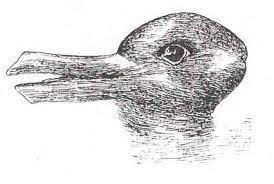
The simplest type of optical illusions are literal optical illusions, which describe images that can be looked at in two different ways. The perceived image in the brain will keep alternating between the possible illusions of the images in the picture. What the eyes will see, will not be a single view, but alternating images. This can be viewed as a reversible figure in which both images exist. Artistically, literal optical illusions can be used to establish a connection between two different ideas. An example of this is “My wife and my mother-in-law”, which shows a figure that resembles either an ugly old woman or a pretty young woman, depending on the viewer’s focus. (The “eye” of the old woman is the “ear” of the young woman.) It contrasts youth with old age and ugliness with beauty. |
||||||||
|
Other examples of this ambiguous illusion are the duck and the rabbit and the Rubin vase. Which do you see first? Duck or rabbit? Vase or two faces in profile?
|
||||||||
|
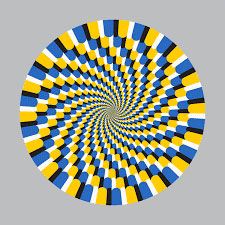
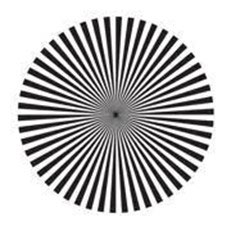
PHYSIOLOGICAL ILLUSIONS Physiological optical illusions overstimulate the brain by presenting it with more light, shape, colour or brightness than it is able to process and using this sensory overload to create the illusion. Some experts suggest that the illusions may be caused by small, involuntary eye movements that take place when we fix our gaze at something, shifting our peripheral vision and thus creating the impression of motion or brightness. These are examples of an illusion in which we perceive still images as moving ones.
|
||||||||
|
COGNITIVE ILLUSIONS Cognitive illusions are optical illusions that are based on a person's perception of the world. They occur when the brain perceives an image based on familiarity, prior knowledge, or assumptions, tricking not just the eyes but the brain as well. There are various types of cognitive illusions.
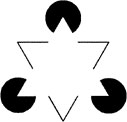
In the Kanizsa triangle illusion the viewer perceives a white triangle that does not exist in the image, as the brain is filling in gaps based on previous knowledge in order to perceive a more complete whole. |
||||||||
|
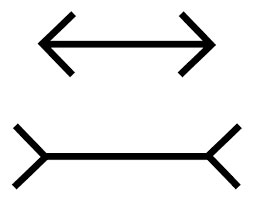
The Muller-Lyer is a well-known distorting illusion based on the alterations of the physical aspects like size, curve or length. Which line is longer? They are actually exactly the same length.
|
||||||||
|
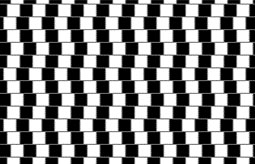
In this distorting illusion, the horizontal lines appear to be angled but in reality, they are parallel.
|
||||||||
|
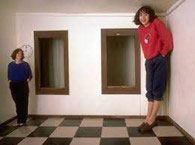
The Ames room illusion works due to distortion of the shape of the room, leading us to perceive these two people, who are the same size, as differing in size. This illusion has been used effectively in films such as “The Lord of the Rings”.
|
||||||||
|
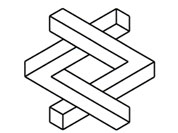
Paradox illusions are cognitive illusions that, as the name suggests, are paradoxical in that they appear to be convincing as two-dimensional images, but they contradict what we know to be reality. |
||||||||
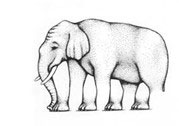
How many legs does the elephant have? At first glance, the answer maybe be obvious – but look a little closer. Four or five legs? |
||||||||
At first, a two-dimensional figure looks three-dimensional because the brain immediately interprets it to be that way. Upon further investigation, the brain “realises” what the eye is actually seeing. |
||||||||
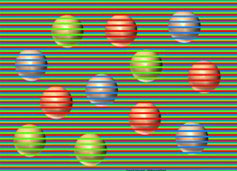
What colour are the balls in this picture? While the brain perceives each colour as different, they are in fact all the same colour. Each colour appears different according to its environment. |
||||||||
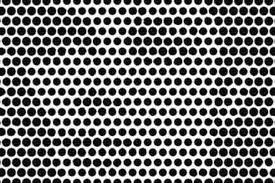
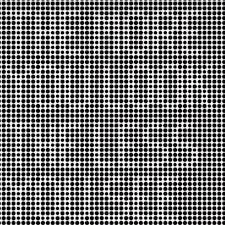
Some optical illusions contain a hidden message or picture in the special configuration of dots. Can you spot the famous person amongst these dots? If you look too closely, the picture may disappear! |
||||||||
|
||||||||