EYE CARE FOR OPTIMAL EYE HEALTH

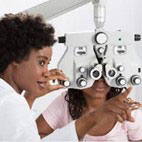
A healthy lifestyle is not only important for the health of the body but has a direct impact on the health of the eyes. Following a nutritious diet, exercising, getting enough sleep and cutting back on smoking are some of the factors that have a role to play in health and well-being. However, living a healthy life and feeling well is not always an indication of good health. With the eyes in particular, you could have a developing vision problem even if your vision is good and your eyes feel healthy. The only way to be sure is to have a regular eye examination. Certain serious eye conditions have no obvious symptoms in the early stages, and people may be completely unaware that a vision problem is developing. During a comprehensive eye examination, optometrists often notice the early warning signs. By dilating the pupils, the optometrist is able to examine the retina and the blood vessels at the back of the eye and to look for signs of damage or disease. Most eye conditions, both minor and more serious, can be successfully treated or at least prevented from getting worse. The key is early detection! |
||||||||
|
How to care for your eyes The health of the eyes is directly connected to the health of the heart and blood vessels. The tiny blood vessels in the eyes carry essential nutrients and oxygen to the eyes. Keep a check on your blood pressure and cholesterol levels. Consistent regular exercise can help to prevent health problems such as diabetes, high blood pressure and high cholesterol, all of which can impact on eye health. Keeping your body healthy contributes to keeping your eyes healthy. Diabetic retinopathy is one of the leading causes of preventable blindness. Maintain healthy blood sugar levels. When your blood sugar is too high, it can affect your eyes by damaging the minute blood vessels at the back of the eyes. These vessels leak fluid that causes swelling and increased intraocular pressure. New blood vessels that grow in the affected areas can cause scarring and increase eye pressure as well. If you have been diagnosed with diabetes, visit your optometrist regularly so that signs of diabetic eye disease can be detected and treated early, and changes in the eyes can be monitored. |
||||||||
The classic question asks: “Have you ever seen a rabbit wearing glasses?” Of course not, because carrots are good for your eyes! So are spinach, salmon, eggs, healthy oils, nuts, and fresh fruit and vegetables. These foods and others rich in vitamins A, C and E, Omega-3 fatty acids, antioxidants and certain minerals are vital for maintaining eye health and can help to ward off age-related eye diseases. Smoking is as bad for your eyes as it is for the rest of your body. Research has linked smoking to an increased risk of developing age-related macular degeneration, cataracts, dry eye syndrome and optic nerve damage. It is a risk factor in certain general health conditions, such a cardiovascular disease which contribute to eye disease. |
||||||||
Whether it is to protect your eyes from harmful UV light or injuries due to sport-related activity, wear appropriate protective eyewear. The ultraviolet rays of the sun have a cumulative effect on the eyes and skin, so wear sunglasses that block UVA and UVB rays, even in cloudy conditions. Protective eyewear includes safety glasses and goggles, safety shields, and eye guards specially designed to provide the correct protection for any activity. Most protective eyewear lenses are made of polycarbonate, which is strong enough to withstand most damage.
Throughout the day our eyes are taking in visual information from the world around us. They are constantly changing focus and being exposed to many sources of stress, from sunlight to digital screens and more. Quality sleep allows them to rest and rehydrate, preparing them for the day ahead. Ease eye strain from digital screens by following the 20-20-20 rule – every 20 minutes look away at a distance of 20 feet for 20 seconds. Insufficient blinking is a source of eye fatigue and strain. When we are focused and concentrating on a computer or reading a book or doing other close work, we tend to blink less often. Become conscious of blinking regularly. Computers, smart phones and television are an inescapable part of our daily lives often causing dry eyes, headaches, and trouble focusing. Discuss with your optometrist appropriate computer eyewear and anti-glare screens. |
||||||||
|
Many eye diseases are hereditary, so know your family’s eye health history. If anyone in your family has been diagnosed with an eye condition, tell your optometrist. This information will help to determine if you’re at higher risk for developing that particular condition or any related condition. Proper eye care means having regular eye check-ups, not only when you sense you may have a problem that needs attention.
|
||||||||