HELPING YOUR CHILD ADJUST TO GLASSES
|
With the rapid rise in myopia throughout the world, particularly amongst children, it has become more common for children to be wearing glasses and parents are faced with the task of helping their children adjust to them. Getting new glasses can be both exciting and daunting for some children, and the process of accepting and adjusting to them can be challenging for both parents and children. OH NO! MY CHILD NEEDS GLASSES! Discovering that their child needs to wear glasses can be difficult for some parents, even if they themselves wear glasses. The first step towards helping the child adjust to them and feel confident wearing them is accepting that not wearing glasses if they are necessary could lead to numerous problems. FOCUS ON THE BENEFITS
“I didn’t realise I was supposed to be able to see each leaf on a tree” commented one child after receiving his first pair of glasses. Vision is subjective – a child does not know what he should be able to see, and a parent does not know that the child is unable to see clearly. It is important to have age-appropriate conversations with the child about how glasses will improve his ability to see and function better. Use positive language and provide honest answers to questions and concerns he may have. Encourage him to voice his concerns and discuss them with the optometrist. Your child may encounter curiosity or questions from friends about the new glasses. Prepare him with simple, confident responses. Help him to view glasses as a unique accessory that sets him apart in a positive way. |
||||||||
|
CHOOSING A FRAME The child is likely to adjust more easily to frames that express his identity and individual style. Allow him to select his own frame, with the help of the optometrist who can offer advice and recommendations on whether the frame is suitable or not. Choosing his own frame will help him to feel confident, instil a sense of pride and motivate him to be responsible for taking care of his glasses. ACCIDENTS HAPPEN Children will be children and accidents will happen! Think safety and discuss this with your optometrist. Choose flexible frames which are less easily broken, and lenses that are shatterproof, block harmful UV light and have an anti-scratch coating. COMFORT IS IMPORTANT
If the glasses aren’t comfortable, the child won’t want to wear them. Make sure they are fitted comfortably on the nose and around the ears. If they are too tight or slide down the child’s face, take them to the optometrist for an adjustment. Don’t try to bend the frames or fit the glasses yourself. BE PROACTIVE If your child isn’t wearing his glasses, don’t assume that he is forgetting them. It could be that the glasses don’t fit comfortably or that he is experiencing mild symptoms such as eye strain, headaches or dizziness. These side effects with new glasses are not uncommon and should not last long. Encourage the child to persevere and continue trying to adjust to the glasses, reassure him that it is part of the adjustment process and will improve, but if the discomfort persists, consult your optometrist. ONE STEP AT A TIME Initially let your child wear the new glasses for a short period of time, gradually increasing the length of time and the number of times he wears them per day. With his input create a schedule and even a reward system like a star chart to encourage him to slowly get used to his glasses. Help him to eventually make his glasses part of his daily routine. HANDLE WITH CARE
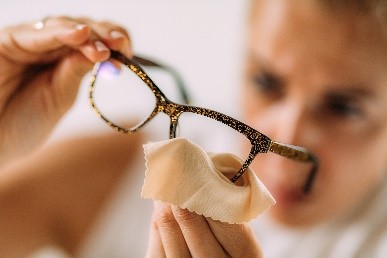
Glasses get scratched and broken easily. Give the child the responsibility, with your guidance, of taking care of his glasses. When he is not wearing the glasses, they need to put away in a case which will protect both the frames and the lenses. Establish a safe spot for your child to keep the glasses when they are not being worn. Show him how to clean his glasses carefully and to use both hands to put them on and take them off. |
||||||||
|
BE PATIENT AND POSITIVE As with many new things, wearing new glasses, even if the child has worn glasses before, will take time to get used to. Boost his confidence and reinforce the effort he is putting into this new experience. Celebrate the small victories. Positive reinforcement can help build a child’s confidence and make wearing glasses a positive experience. IDENTIFY WITH ROLE MODELS
Although many children wear glasses and your child is not alone, some children feel shy or self-conscious and anxious about being teased. Point out celebrities or people he admires who wear glasses, such as sports heroes or even fictional characters. Harry Potter did wonders to the confidence of children who wear glasses! |
||||||||
|
SET AN EXAMPLE Children mimic the behaviour of their parents. If you wear glasses, wear them proudly and set the example of caring for them. If they see you embracing your eyewear, they’re more likely to do the same. Helping your child adjust to wearing glasses is a journey that requires patience, understanding and support. By involving him in the frame selection process, explaining the importance of glasses, establishing a daily routine, teaching proper eyewear care, and promoting a positive self-image, you can empower your child to embrace their glasses with confidence. The ultimate goal is to ensure your child’s visual health and well-being. |
||||||||