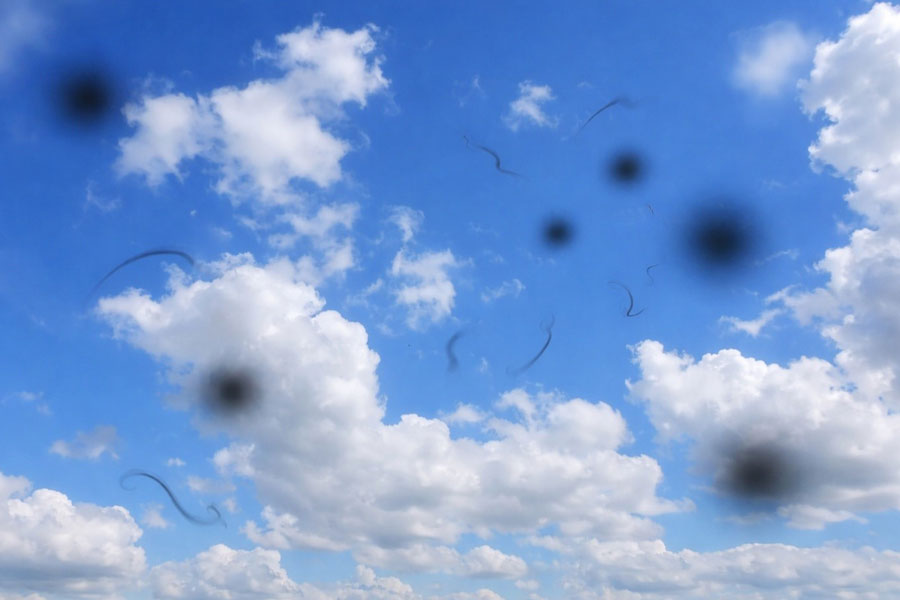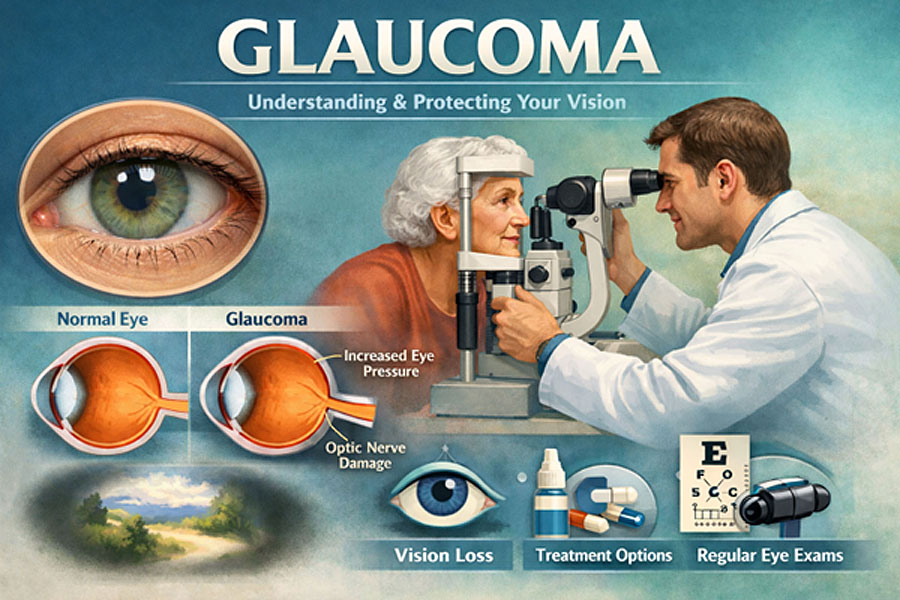
Most health conditions announce themselves. They arrive with pain, discomfort or obvious physical changes that make us aware that something is not right and we need to seek help. Glaucoma is different. It doesn't knock, it doesn't warn, and it rarely causes symptoms in its early stages. Instead, it quietly creeps up and over time steals something priceless: vision . Glaucoma, a leading cause of irreversible blindness, is often described as a “silent thief of sight” because it damages the optic nerve gradually, usually starting with peripheral vision. The brain is remarkably good at compensating for the vision loss, so that people may not notice anything wrong until significant, irreversible damage has already occurred. By the time vision changes are obvious, it may be too late to recover what's been lost. RISK FACTORS Glaucoma doesn't discriminate, and anyone can develop glaucoma, but there are factors that increase the risk. These include family history, age, shortsightedness, elevated eye pressure, eye injury, long-term use of steroid medications, diabetes, migraines, high blood pressure, poor blood circulation or other chronic health problems. CAUSES OF GLAUCOMA The eyes constantly produce a fluid, aqueous humor which circulates in the front part of the eye. As new aqueous flows into the eye, the same amount should drain out, keeping pressure within the eye stable. The fluid drains out through the drainage angle, but if the drainage angle is blocked or not working properly, fluid builds up and pressure inside the eye rises, damaging the optic...
1879 Hits
1879 Hits