WHAT ARE POLARISED LENSES?

|
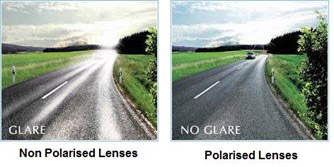
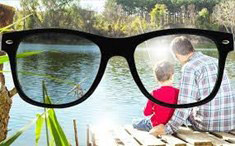
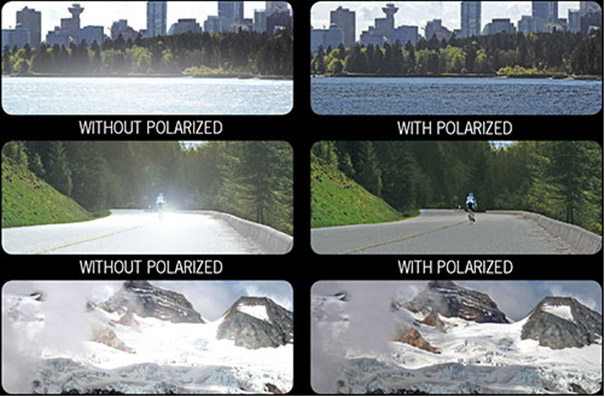
Optometrists frequently recommend polarised lenses or sunglasses. What are polarised lenses? How do they work? What are the advantages and disadvantages? Polarised lenses reduce strain on the eyes by blocking glare and minimising UV light They can improve visual acuity and comfort and enhance colour contrast.
We have all experienced glare caused by light reflecting off water, a car driving ahead of us or even the dashboard of our own car. This may be annoying or uncomfortable, but it can sometimes become intense and even dangerous, for example when driving. Ordinary sunglasses may cut down some of the glare, but only polarised lenses can block it out. What is Glare? When light bounces off a surface, the light waves travel and are absorbed or reflected in all directions, some horizontally and others vertically. However, if light hits a reflective surface, such as water or even a car or building, at a certain angle, vertical light waves are absorbed while horizontal light waves bounce off the surface. This light can become polarised, resulting in glare that can interfere with vision by striking the eyes intensely. |
||||
Polarised lenses have a filter of tiny vertical stripes which is coated directly onto the lens. Because horizontal light waves are unable to bypass the vertical filter, only vertically angled light enters the eyes and glare is eliminated. Polarisation can be applied to all lenses and can accommodate all prescription needs. While they can be made in a variety of colours, the colour or darkness of the lens does not necessarily determine the amount of polarisation it provides. For people who have to spend long hours in an environment where they may be surrounded by clear windows, those who drive long distances, or people who spend hours on or near water, polarised glasses can offer much-needed relief from headaches and eye strain caused by glare. |
||||
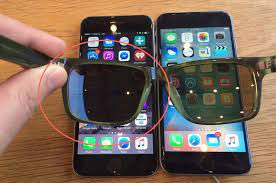
Are there any disadvantages to polarised lenses? One of the disadvantages is the cost of these lenses compared with untreated lenses. Because the polarising stripes reduce the amount of light entering the eye, these lenses should not be used at night, particularly while driving. Polarised lenses can cause distortions which make it difficult to read LCD displays, such as some computer or smartphone screens. However, over time the eyes may adjust to the distorted image. What is the difference between polarised sunglasses and UV glasses? While UV-protected sunglasses are coated with a special material to screen out specific wavelengths of light, polarised sunglasses filter out light rays based on their angle of reflection. Ordinary sunglasses offer basic protection against bright light and harmful UV rays but only polarised lenses block blinding glare. |
||||
|
||||
|
Discuss with your optometrist the best option for your specific visual needs. |
||||