COVID LEAVES ITS MARK ON THE EYES
|
While COVID is commonly associated with infection of the lungs, heart and other vital organs, there is evidence to suggest that it can also affect the eyes. Conjunctivitis, or "pink eye", has been reported as a symptom in some people in the early stages of the disease, but the majority of information points to the effects of COVID on the eyes in the long term. "Once I recovered, I expected to feel back to normal, but after a few weeks I was still struggling. I was lethargic and my eyes began to hurt and were extremely sensitive to light," reports one COVID patient. Other problems include dryness, redness and deterioration of vision. A survey published by MyVision.org, "The Pandemic's Price on our Eyesight", has revealed how much the pandemic has impacted our vision and how we care for our eyes. Over 1,000 people who wear glasses and/or contact lenses were surveyed with regard to their eye health and eye habits over the past few years. The results showed that a large number of people are having problems with their vision but are putting off going to the optometrist.
Two out of five people reported that their eyesight has become worse since the onset of the pandemic. Nearly 70% report having more trouble seeing further away, while almost one-third are having difficulty reading up close. Since March 2020, 3 out of 10 people have received stronger prescriptions for their glasses or contact lenses. Of those struggling to see, one in three admits to not having their eyes checked over the last two years even though they know they need to. |
||||
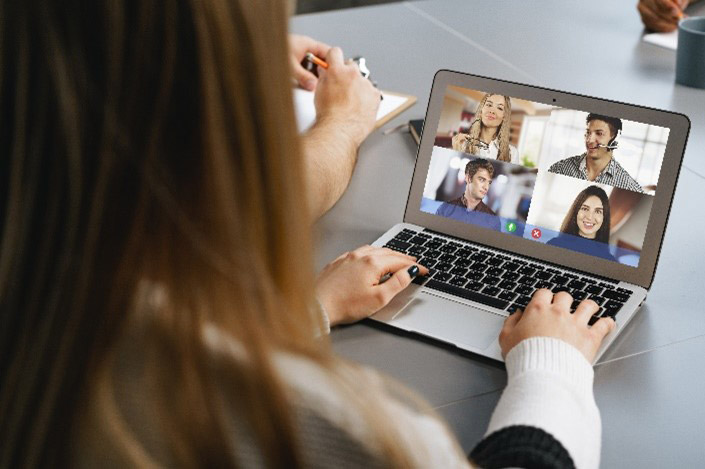
For many people, technology has become an essential part of everyday life. While our various electronic devices do help connect us and has allowed many people to work remotely, excessive screen time can lead to digital eye strain. Focusing on screens for prolonged periods results in a longer blinking interval that exacerbates eye strain and dry eyes. Almost 30% of the people surveyed feel that working from home has made their vision worse. The main issues facing people who work remotely include eye strain, fatigue, headaches and trouble sleeping. One out of every 3 said that their eyes have started twitching while looking at screens. Some people are trying to combat these issues by wearing blue light glasses. |
||||
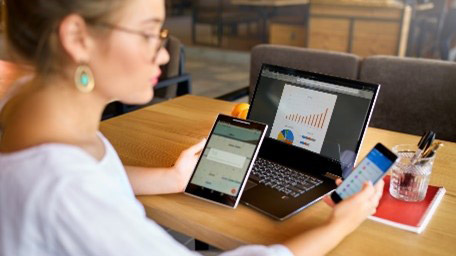
In addition to long screen use at work, people are adding to that strain by also looking at screens in their free time. About 79% admit to juggling multiple screens at once, watching TV and looking at their phone at the same time. Some people are trying to limit their screen time, while others are allowing themselves more time on certain apps. |
||||
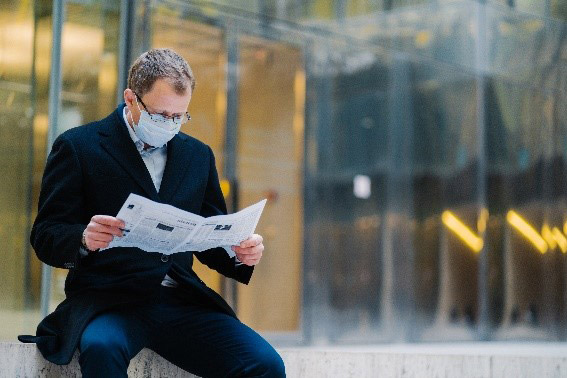
Masks have impacted how people wear glasses. More than 1 in 10 say they wear contact lenses now instead of glasses, purely because glasses feel less comfortable and fog while wearing masks. An ill-fitting mask can redirect air toward the eyes, causing dry eye. 25% of people are wearing their glasses more often because of their remote work. The survey also revealed that a lot of people wear old glasses or contact lenses every day. Some 43% say they are not wearing up-to-date prescriptions. More than 8 out of 10 people are wearing prescriptions that are two years old or older, even for driving. Of those, 17% reported their glasses or contact lens prescriptions are more than five years old. |
||||
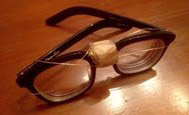
Glasses and contact lenses can be expensive, and when something breaks, many aren't willing to pay to have it fixed. Nearly one-third of people surveyed say they've worn cracked or broken glasses. Contact lens wearers also admit to not replacing their lenses, or even taking them out at the end of the day. Some 24% admitted to wearing two-week contact lenses for longer than two weeks, and 1 in 4 have slept with their contact lenses in. Some people are considering a more permanent solution for their vision needs. Nearly one-third of people have had Lasik surgery or are planning to have it. The main reasons are convenience and to "fix" their eye problems altogether. Nearly half said they consider Lasik an investment, so they no longer have to keep paying for glasses or contact lenses. But 36% admit to just getting tired of "waking up blind" every morning. |
||||
Other researchers have reported on the effects of COVID-related mental health issues on the eyes and vision. One expert commented that "vision is a complex psychosocial process which can be affected by our mental health". Several studies have found that dry eye syndrome can be aggravated by stress. Over the past few years, isolation, fear, uncertainty and the loss of loved ones have all led to increased levels of stress, impacting our quality of life and health, as well as the health of our eyes and vision. |
||||
|
"Once you've recovered from Covid-19 make sure to get your eyes checked; it's an important part of taking care of yourself and getting back to who you were," advises a recovered COVID sufferer. "The longer the issue goes unmanaged the worse it gets." |
||||