|
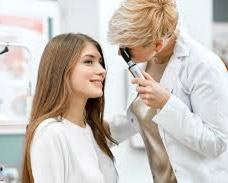
"I'm just here to have my eyes tested!" is what many patients say when they visit their optometrist. However, the optometrist is looking for more than a change in the prescription and the possible need for new glasses. He or she is searching for clues that may indicate the early stages of vision or health conditions that have not yet been diagnosed but signs of which may be present in the eyes.
Changes due to vascular conditions or conditions such as diabetes may be noticed on the retina some time before symptoms appear and the condition is diagnosed. The earlier these are detected and treated, the better the chances for a successful outcome. One of these chronic conditions is hypertension or high blood pressure.
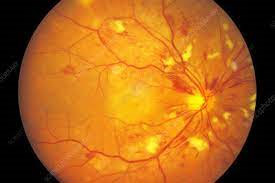
High blood pressure, or hypertension, occurs when the force of blood against the artery walls carrying blood from the heart is too high, causing the arteries to stretch, narrow and become damaged over time. Hypertensive retinopathy is a condition of the eyes resulting from high blood pressure when the blood vessels supplying blood to the retina in the back of the eye become damaged. When blood pressure is too high, the retina's blood vessel walls may thicken, causing them to become narrow, which restricts blood carrying oxygen and nutrients from reaching the retina, limiting the retina's function, and putting pressure on the optic nerve, causing vision problems.
|
|
SIGNS AND SYMPTOMS
Generally, vision symptoms may not be experienced in the early or mild stages of hypertensive retinopathy, which is usually discovered during a dilated eye examination. Optometrists have the unique opportunity to examine blood vessels on the retina which is the only place in the body that blood vessels are able to be viewed.
Using an ophthalmoscope, he or she will look for signs including narrowing of the blood vessels, spots on the retina known as cotton wool spots, swelling of the macula and optic nerve, or leaking of blood in the back of the eye.
Changes in vision may not be noticeable initially as these occur gradually, but as the condition progresses symptoms may emerge. These may include double vision, blurred vision, reduced vision, eye swelling, headaches or a burst blood vessel. Damage to the retina is usually irreversible, causing permanent vision problems, but further damage can be prevented by early diagnosis and treatment.
|
|
CAUSES
Prolonged high blood pressure is the primary cause of hypertensive retinopathy. Other factors that may contribute to the condition include a family history, a sedentary lifestyle, being overweight, smoking, diabetes, high salt intake, high cholesterol, high alcohol consumption and stress. Women are more likely than men to be affected by blood vessel damage, and older people are more at risk.
TREATMENT
The key is early detection and regular monitoring of hypertensive retinopathy by your optometrist. The best way to treat the condition is by adequately controlling blood pressure levels and managing related conditions with a combination of medication and lifestyle changes. A diet high in fruits and vegetables, limited consumption of salt, caffeine and alcohol, and regular physical activity can contribute to healthier blood pressure. Quit or at least cut down on smoking.
PREVENTION
While it may not be possible to prevent symptoms of hypertensive retinopathy if the condition already exists, further retinal damage and vision problems can be minimised.
Have your blood pressure checked on World Hypertension Day on 17th May and make an appointment for an eye examination with your optometrist.
|
|
| |
|
|
|