INADEQUATE TEARS

|
Your eyes feel uncomfortable, gritty, as though you have something in your eye but there is nothing there. They are red, burning and watery. Your vision is blurry, and you are over-sensitive to light. Your contact lenses don't feel as comfortable as they used to. If you are experiencing any of these symptoms, you could be suffering from dry eye syndrome, a common condition that occurs when the tears are unable to provide adequate lubrication for the eyes, leading to inflammation of the surface of the eyes. Sometimes, dry, red, or irritated eyes come and go, depending on a number of factors, but if the condition persists consult your optometrist who will recommend appropriate treatment.
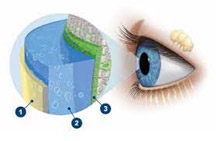
Tears are made up of three layers; water for moisture, oils for lubrication and mucus for even spreading over the eyes. Antibodies and proteins in the tears help protect the eyes against infection. An imbalance or problem with any of these layers can cause dry eyes. Reasons for tear film dysfunction could be hormonal changes, autoimmune disease, inflamed eyelid glands or allergic eye conditions. |
||||
Although it seems like a contradiction, sometimes dry eyes create too many tears causing the eyes to water. This is reflex tearing which occurs because the lack of moisture irritates the eyes and sends a distress signal to the nervous system for more lubrication. The response is a flood of tears, but these are mostly made up of water so are unable to provide effective lubrication. There are a number of causes of decreased tear production, including aging, hormonal changes, allergic eye disease, chronic conditions such as lupus or thyroid disorders and vitamin A deficiency. Certain medications can reduce tears. These include antihistamines, antidepressants, and drugs for high blood pressure, acne, birth control and Parkinson's disease. Corneal nerve desensitivity caused by contact lens use or nerve damage may affect the production of tears. Common causes of increased tear evaporation include insufficient blinking, eye allergies, environmental factors such as wind, smoke or air conditioning, preservatives in certain eye drops, and vitamin A deficiency. The oil film is produced by small glands on the edge of your eyelids (meibomian glands) and these might become clogged. Blocked meibomian glands are more common in people with rosacea or other skin disorders. |
||||
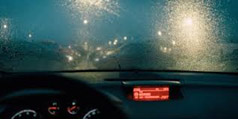
People who have dry eyes may experience certain complications. Without adequate tears, there may be an increased risk of eye infections. If left untreated, severe dry eyes may lead to eye inflammation, abrasion of the corneal surface, corneal ulcers and vision loss. Dry eyes can make it difficult to perform everyday activities, such as reading or driving at night. |
||||
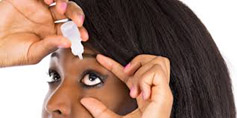
Depending on the cause and severity of the dry eyes, there are a number of treatment options to make the eyes feel more comfortable and avoid further problems. Some treatments improve tear quality while others aim to prevent tears from draining too rapidly from the eyes. The most common treatment is artificial tears, which are available over the counter, and mimic natural tears. There are a number to choose from so you may have to try different makes before you find the one most effective for your symptoms. Some contain preservatives so they last longer but may make the irritation worse. Sometimes artificial tears are not enough to deal with the problem and your optometrist may prescribe eye drops or ointment to calm the inflammation. Procedures that are often helpful include partially or completely closing the ducts that drain tears from the eyes, using a temporary dissolving plug, a longer-lasting plug or, in more severe cases, cauterising the opening so that it remains permanently closed and the eyes stay moist longer. Treating or managing an underlying medical condition associated with dry eyes would help to improve the visual symptoms. |
||||
Making changes to various lifestyle factors are often beneficial. Enrich your diet with foods containing omega-3 fatty acids or take a supplement. Use a humidifier to add moisture to the indoor environment and keep hydrated by drinking plenty of water. Take a break from screen time. Follow the 20/20/20 rule: take a 20-second break from your digital device every 20 minutes and look at something 20 feet away. Wear sunglasses to protect your eyes from the elements. Even if your eyes feel fine, use artificial tears regularly to maintain lubrication. Be aware of blinking more often. |
||||
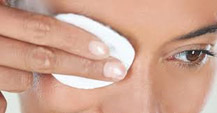
Home remedies for soothing dry eyes and easing clogged tear ducts are often effective. Apply a warm compress or cotton wool to your eyes for a few minutes, or gently massage the closed eyes in a circular motion. Doing this regularly keeps the eyes feeling more comfortable. Keep your eyelids clean and free of makeup or face creams that can irritate the eyes. |
||||