IS CLIMATE CHANGE A RISK TO EYE HEALTH?

|
Over the past years, the devastating impact of climate change on the world around us has become increasingly evident with the increase in violent storms, wildfires, rising temperatures, droughts and floods. It is well known that environmental factors play a role in eye health, but do changes in the environment pose a risk to eye health? Do the specific effects of climate change compound issues of eye health related to the environment? The connection between climate change and eye health is complex and multifaceted, covering a variety of interrelated direct and indirect factors. WHY ARE THE EYES SPECIALLY AT RISK? The eye is one of the most unique organs of the body. Because the surface of the eye is directly exposed to the elements every waking hour Even minor changes in weather, climate, UV radiation and air quality have an impact on eye health, making it susceptible to developing diseases or worsening eye conditions that already exist. WHICH ENVIRONMENTAL CONDITIONS POSE A RISK TO THE EYES?
Climate change has been linked to air pollution, ozone depletion with its increase in UV exposure, higher temperatures causing the air to become drier, and changes in rainfall patterns affecting water quality, crops and food security. Added to its impact on health, it places a burden on health care systems affecting their stability and availability as extreme weather conditions make it more difficult for people to access health care. |
||||
|
WHICH EYE CONDITIONS ARE OF PARTICULAR CONCERN? The World Health Organization has found a direct correlation between several eye diseases, primarily cataracts, and an increase in UV radiation. As well as cataracts, climate change is likely to increase the incidence of allergic eye disease, glaucoma, age-related macular degeneration, trachoma infections, vitamin A deficiency, and eye injuries. Rising temperatures cause the air to become drier, leading to an increase in dry eye and a worsening of symptoms in people who have the condition. IMPACT OF AIR QUALITY
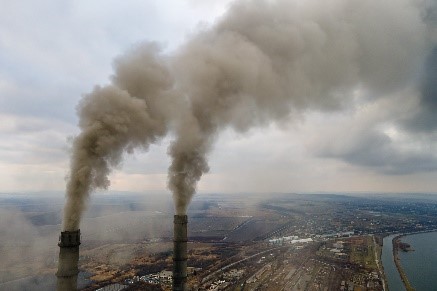
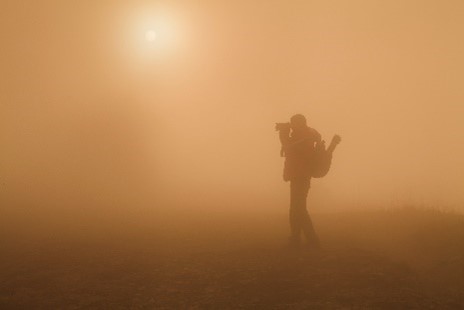
Many current eye problems are exacerbated by increased pollutants in the air. Storms, wildfires, and dust storms generate air pollution which can increase the risk of ocular surface diseases, such as conjunctivitis. Contact lens wearers find their contact lenses uncomfortable and allergy sufferers experience worsening symptoms. Evidence points to associations between exposure to higher concentrations of particulate matter in the air and increased risks of uveitis, diabetic retinopathy, age-related macular degeneration, and open-angle glaucoma. |
||||
|
OZONE DEPLETION AND UV RAYS The earth’s ozone layer historically protected us from the ultraviolet rays of the sun. Depletion of the ozone layer allows more UV rays to penetrate the earth’s atmosphere, increasing the exposure of the eyes to harmful UV light. Over time, excessive UV exposure can contribute to the onset and acceleration of cataracts, pterygium, macular degeneration and various other ocular conditions. RISING TEMPERATURES
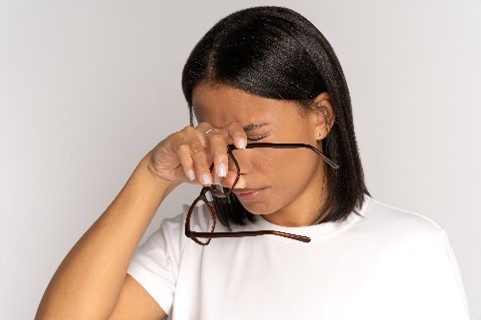
As global temperatures increase relative humidity decreases, contributing to the evaporation of tears and leading to or exacerbating dry eye disease. Rising temperatures coupled with changes in rainfall patterns create favourable conditions for the growth of allergenic plants, which increase the occurrence of allergic eye conditions. Long-term exposure to high temperatures and intense sunlight can result in redness, discomfort, and even damage to the corneal region of the eye. |
||||
|
WATER-RELATED ISSUES
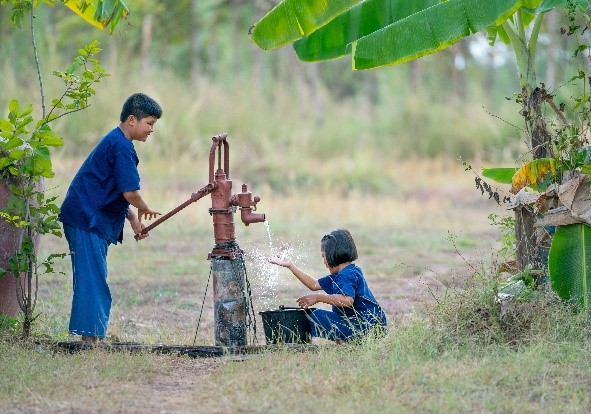
Temperature, precipitation patterns, and water quality all have the potential to contribute to the establishment and spread of water-related eye diseases. Droughts, floods and changes in rainfall patterns contaminate water and affect crops. The resultant food insecurity and decline in the availability of nutritious food poses a risk of deficiency in nutrients such as vitamin A and C, which are essential for eye health. Areas in the world that are already vulnerable to poor water quality will be further affected with a direct impact on eye health. Trachoma, one of the leading causes of avoidable blindness, is caused by a bacterial infection that is easily spread and commonly found in communities that have limited access to clean water and adequate sanitation. Increasing temperatures and decreasing water supply can contribute to the spread of trachoma. |
||||
|
EXTREME WEATHER EVENTS Storms and natural disasters caused by climate change, such as hurricanes and wildfires, can cause eye injuries due to flying debris, smoke, or chemical exposure. These injuries range from small annoyances to major trauma. Research has shown that people with visual impairments and disabilities are particularly vulnerable. ACCESS TO EYE HEALTH SERVICES
Climate change with its risk of visual problems is making it even more urgent for people to have access to quality eye care. Hurricanes and windstorms around the world have caused the temporary closure or destruction of medical facilities and supply chains for essential medical supplies such as medications, surgical supplies, glasses and visual aids. Climate change is expected to push already vulnerable populations into extreme poverty, further limiting their access to health care. The combination of predicted increases in eye disease and disruptions in eye care services will worsen the prevalence of vision impairment. |
||||
|
According to a health care provider: “The greatest climate change ramifications on eye health would occur via an indirect effect involving climate change’s impact on population migration. As a result, we are going to have real problems in the provision of eye care.”
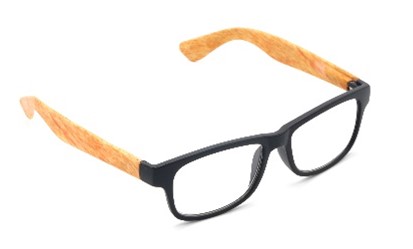
Fortunately, eyewear companies have shown a commitment to protecting and promoting eye health in the face of these challenges. Through innovative technologies, sustainable practices, and widespread education, they are taking significant strides to minimise the impact that climate change has on eye health. One of the most prominent ways that eyewear companies are responding to climate change is by developing advanced lens technologies. One eyewear company offers eco-friendly products such as recycled glasses. These models use materials such as upcycled plastics, bamboo, or biodegradable acetate for frames. |
||||