MEDICAL CONDITIONS THAT AFFECT EYE HEALTH

|
The health of the eyes and vision goes hand in hand with general good health, and many chronic health conditions can impact the eyes. Autoimmune conditions, neurological disorders and even certain common illnesses can cause visual problems. Because they are made up of various types of tissue, the eyes are vulnerable to a variety of diseases while also providing insight into many systems of the body. Almost any part of the eye can give important clues to the health of other organs in the body. The eyes are the windows to the blood vessels, nerves and connective tissue in the body. An eye examination is sometimes the first sign of systemic disease. DIABETES Diabetes sufferers have a higher risk of developing cataracts and glaucoma. Chronic diabetes causes fluctuating blood sugar levels, which can damage the blood vessels in the eyes. Long-term uncontrolled diabetes can result in diabetic retinopathy, a condition in which the tiny blood vessels in the retina leak fluid and blood onto the retina, leading to vision loss and even blindness. Sometimes, diabetes appears in eye tissue even before a person has been diagnosed with the condition. Early detection can help people avoid vision loss and other serious complications. HYPERTENSION
Unusual bends, kinks or bleeding from blood vessels in the back of the eye can signal high blood pressure which can cause retinal damage and damage to the blood vessels in and around the eyes. Hypertension has been linked to a number of health issues, including eye conditions such as hypertensive retinopathy. The longer blood pressure remains high, the higher the risk of developing vision problems such as glaucoma, diabetic retinopathy and macular degeneration. |
||||
|
HIGH CHOLESTEROL
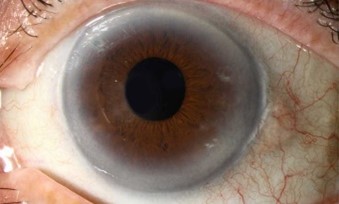
Cholesterol is found in each cell of the body and is essential for digestion, hormone production, and vitamin D production. High cholesterol levels, on the other hand, can cause serious problems such as retinal vein occlusion, which occurs when cholesterol breaks off from the blood vessel wall and causes a clot in the retina. A yellow or blue ring around the cornea may be a sign of high cholesterol, especially in a person younger than the age of 40. |
||||
|
LIVER DISEASE A well-known sign that something is wrong with the liver is the yellowing of the eyes and skin. Symptoms of liver disease include dry or itchy eyes and fatty deposits on the eyelids. If the condition is left untreated damage to the cornea and lens may occur. Congenital liver disorders can impact almost any area of the eye. VASCULAR DISEASE Clotting disorders and bleeding disorders may cause visible bleeding in and around the eye. They can also cause retinal haemorrhages that threaten vision. AUTOIMMUNE DISEASE
There are over 80 autoimmune diseases that affect a wide range of organs in the body. Some of the common autoimmune conditions include rheumatoid arthritis, lupus, and autoimmune thyroid disease. In many cases, problems with the eyes are among the first signs of autoimmune conditions. Typical symptoms may include extreme eye dryness, eye pain, light sensitivity, changes to vision quality, reduced blood flow to the retina and protruding eyes. |
||||
|
ROSACEA Rosacea is a common inflammatory skin condition that typically affects the face. When it is located around the eyes, it can result in redness, dryness, itching, burning, tearing, light sensitivity and occasionally swelling of the eyelids. NEUROLOGICAL CONDITIONS Conditions of the nervous system, such as multiple sclerosis and myasthenia gravis, can involve the muscles of the eyes, causing blurred or double vision, weakness of the eyelids, difficulty with eye movement, involuntary eye movements and drooping of the eyelids in one or both eyes. MEASLES If measles affects the eyes, it often results in conjunctivitis. If the inflammation worsens or is left untreated, it can lead to infections of the cornea, corneal damage, and, in rare cases, infections of the optic nerve and even vision loss. NUTRITIONAL DEFICIENCIES
As well as having a negative impact on general health, a lack of certain vitamins and minerals, including vitamin C, vitamin E, zinc, and lutein can lead to an increased risk of age-related vision conditions such as macular degeneration and cataracts. Vitamin A, in particular, is essential for maintaining optimal visual health, and low levels of this nutrient has been linked to dry eyes, corneal ulcers and night blindness. Vitamin A deficiency is reported to be the leading cause of preventable blindness in children worldwide. |
||||
|
MEDICATION
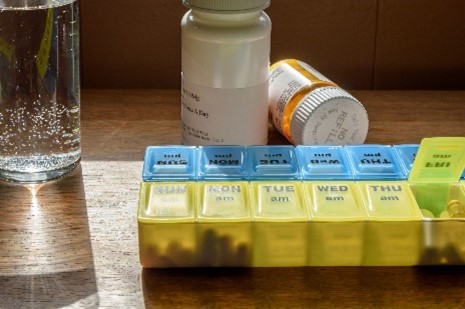
As well as being affected by chronic illnesses, the eyes may be impacted by the side effects of medications that may be prescribed to manage these conditions. Symptoms of these side effects may include red scaling eyelids, red eyes, scratchy corneas or conjunctivitis. It is important for your optometrist to be made aware of your medical history including medications that have been prescribed. When it comes to having good vision for a lifetime, it’s ultimately important to be in good overall health. A healthy lifestyle and regular eye examinations are not just about vision, they are about general good health. |
||||