HOW CATARACTS AFFECT VISION
 |
||||
|
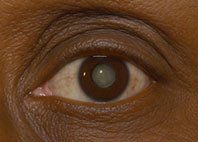
Around the age of 40 plus, we begin to notice changes in our vision which are impacting our daily lives in subtle ways. When watching TV, reading or doing other close activities our vision seems blurred or a little less sharp and clear. Driving at night is becoming more challenging as we have difficulty seeing in low light and our eyes are more sensitive to the bright lights of oncoming cars which sometimes appear to have halos around them. Even the glare of the sun is more bothersome. Deciding what to wear each day we have the sense that the colours of our clothes appear to be faded and less vibrant. Some objects seem to have a yellow or brownish tinge. One of the reasons for these changes could be the development of cataracts, a common condition that affects most people as we age. CATARACT DEVELOPMENT As light enters the eye it passes through the lens and reaches the retina which transmits visual signals to the brain via the optic nerve. As we get older and cataracts begin to develop, proteins in the lens break down and the lens gradually becomes less transparent, reducing the amount of light entering the eye and preventing clear images from being sent to the brain. Cataracts develop slowly and evolve through four distinct stages of progression, from early cataracts, through immature and mature cataracts, to advanced cataracts. Regular eye health checks are important to monitor the progression of symptoms and determine the appropriate time for surgery.
In the early stages, cataracts may not cause noticeable symptoms and, if there are vision changes, they are subtle. During the second stage, the clouding of the lens becomes more apparent, and vision changes may be noticeable but do not significantly impact daily activities. There may be frequent changes to the prescription for glasses and a need for brighter lighting while performing certain tasks. As the cataracts progress, the vision impairment will become more obvious, there may be difficulty with near and distant vision, and activities such as driving and recognising faces may become challenging. At this stage, surgery is usually recommended, which involves replacing the cloudy lens with an artificial intraocular lens. With advanced cataracts vision is severely compromised, which may have a significant impact on overall independence. Most age-related cataracts develop gradually. Other cataracts can develop more quickly, such as those in younger people or those in people with diabetes. It is impossible to predict how quickly a person’s cataract will develop. |
||||
|
CAUSES OF CATARACTS The process of aging is the most common cause of cataracts. Other causes and risk factors that play a role include family history, exposure to the damaging ultraviolet rays of the sun, smoking, certain health conditions such as diabetes, long-term use of certain medications, and a previous eye injury or eye surgery. CATARACT TREATMENT In the early stages, the symptoms of cataracts can be improved with glasses and changes to the environment, for example brighter lighting. For mature cataracts, surgery is the recommended treatment. The cloudy lens of the eye is removed and replaced with a clear artificial lens. If both eyes are affected, one eye is normally done first, and the other eye is done a few days or weeks later. Cataract surgery is one of the most frequently performed and successful surgeries. PREVENTION OF CATARACTS
While it may not be possible to prevent the development of cataracts completely, steps can be taken to reduce the risk or slow down their progression. When outdoors, protect the eyes from UV light by wearing sunglasses that block at least 99 percent of the ultraviolet rays of the sun, even on cloudy days. Have regular eye examinations so that cataracts can be diagnosed early and assessed over time. Manage chronic health conditions such as diabetes and maintain control of blood sugar levels. If possible, quit smoking, or at least cut back. Limit driving at night once night vision, halos or glare become difficult. Follow an eye healthy diet rich in antioxidants which includes fruit, vegetables and fatty fish. Several of the symptoms of cataracts may overlap with or be similar to symptoms of other eye conditions. By having regular eye examinations, eye health can be monitored and eye conditions diagnosed accurately. The earlier these are detected, the earlier they can be managed and the better the long-term outcome. |
||||