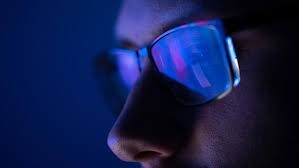
BLUE LIGHT EXPOSED

|
It is no secret that screens have become crucial to our work, social and recreational lives, and that increased screen time means a significant increase in exposure to blue light. How concerned should we be about all this blue light entering our eyes? What is blue light? Blue light is part of the visible light spectrum. Visible light is light that can be detected by the human eye. It is made up of waves of varying lengths and energy. On one end of the spectrum is red light which has longer wavelengths and less energy, while blue light on the other end of the spectrum has the shortest wavelengths and the highest energy. What is the source of blue light?
When people talk about blue light exposure, they are generally referring to fluorescent light and light from the screens of computers, smart phones and TV, but these are not its only source. Blue light, like all the colours of the visible spectrum, is all around us. The main and most natural source of blue light is actually the sun, which contains all the colours of the visible spectrum. Although the majority of blue light exposure comes from the sun, concerns have been raised about the impact of blue light from screens because people spend extended periods of time on them at close range. |
||||
|
How does blue light affect the eyes?
The eyes cannot block blue light (they can block UV light) so become irritated by too much blue light. Some experts have expressed concern that blue light may damage retinal cells, but others point out that because LED devices are relatively new, there are no long-term studies to show the long-term effects of blue light on the retina. While a number of animal studies have found that blue light can damage the retina, at this time there seems to be little conclusive proof of permanent damage to the human eye. It has been reported that using digital devices can lead to digital eye strain. Symptoms include sore eyes, dry eyes, blurry vision, eye fatigue, headaches, and neck and back pain. When using digital devices, people tend to blink less often than normal, reducing moisture in the eyes and increasing eye strain. Because blue light waves are among the shortest highest energy wavelengths on the visible light spectrum, they flicker more, creating a glare which places strain on the eyes. The use of digital devices in children is constantly rising, causing growing concern around childhood obesity, poor sleep and lack of socialisation, as well as the damage that can result due to the fact that children's eyes are not yet fully developed. |
||||
|
Are there other health risks associated with blue light? Blue light has been found to interfere with the body's circadian rhythm, which can disrupt the sleep-wake cycle. When sleep cycles are disturbed, other health problems can develop, for example metabolic and hormonal changes. Research is ongoing around the negative effects of blue light on the skin. Are there any positive effects of blue light? Exposure to blue light does have several important health benefits. These include boosting memory and cognitive function, improving alertness, lifting the mood and improving seasonal depression, and helping to clear certain skin conditions. How can we limit blue light exposure? Practice the 20-20-20 rule - every 20 minutes focus on something 20 feet away for 20 seconds. Keep your eyes moist - prevent the body and eyes from becoming too dry by using artificial tears and room humidifiers. Remember to blink regularly. Adjust the contrast setting on your screen to reduce eye strain due to glare. To prevent blue light disturbing your sleep cycle, turn off digital devices an hour or two before bedtime. Encourage children to spend less time on their digital devices and more time playing outdoors. Do blue-light blocking glasses work?
Whilst there is much anecdotal evidence in favour of blue-light blocking glasses, scientific research has not found blue-light blocking glasses to have a significant effect on reducing eye strain or protecting eye health. Many people have reported that they find them helpful in making the eyes feel less fatigued and more comfortable. Discuss with your optometrist the options that may be appropriate for you and your specific symptoms of digital eye strain. |
||||