SEE THE SIGNS - THE EYE AS A HEALTH WINDOW
|
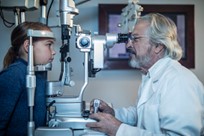
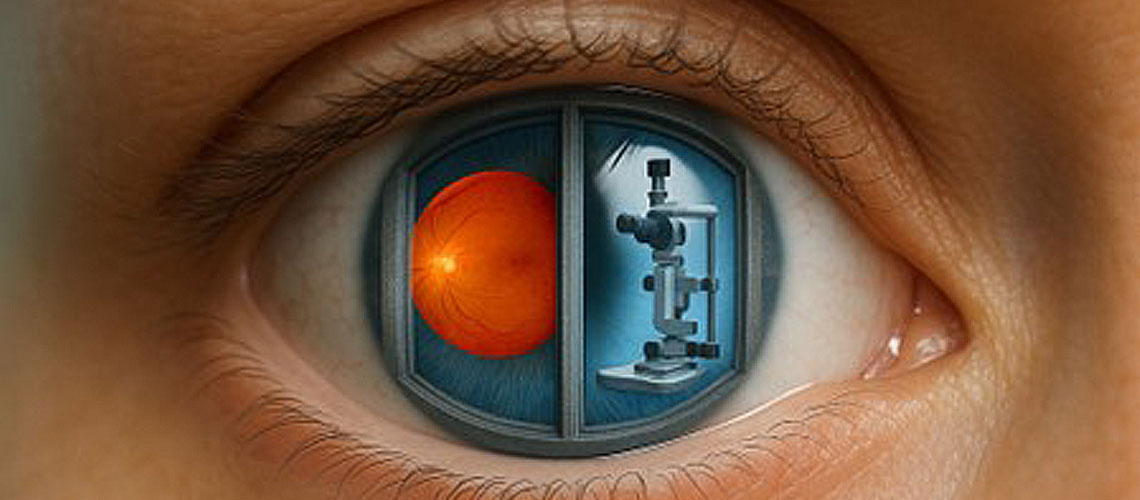
Every November, World Diabetes Day reminds us of the simple truth that our eyes can reveal more about our health than we might imagine. For people living with diabetes, or at risk for diabetes, the eyes can reveal the signs of diabetes and diabetes-related eye disease before noticeable symptoms appear. The eyes are the only place in the body where blood vessels can be examined directly during a dilated eye examination. Changes in the tiny blood vessels of the retina signal problems with blood sugar control before the disease has been diagnosed or progressed and irreversible damage has occurred.
Diabetes is a condition that affects the body’s ability to produce or use insulin effectively to control blood sugar levels. When blood sugar levels remain high over a prolonged period of time damage can occur in many parts of the body, including the delicate blood vessels in the retina. Good vision relies on the overall health of the heart, nerves, and circulation, all of which can be affected by diabetes. The eyes are particularly vulnerable to the impact that fluctuation in blood sugar levels has on blood vessels and nerves. The longer a person has diabetes, the more likely they are to develop diabetic eye disease, a group of eye conditions that can result from high blood sugar levels. These include diabetic retinopathy, diabetic macular edema, swelling of the lens and retinal detachment. Diabetes also increases the risk of other eye conditions, such as cataracts and glaucoma. Most diabetes-related vision loss is preventable. The key is early detection and consistent care. |
||||||||
|
DIABETIC RETINOPATHY
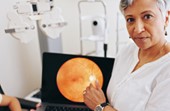
Diabetic retinopathy is the most common cause of vision loss in people with diabetes. It affects the blood vessels in the retina, which may swell, leak or close off completely, or abnormal new blood vessels may grow on the surface of the retina. In its early stages, it is typically asymptomatic, causing no pain and no change in vision, but if left unchecked, symptoms will be experienced. These may include blurred vision, an increasing number of floaters, seeing colours as faded, blank areas in the field of vision, fluctuating vision, poor night vision and a gradual loss of vision. There are two main stages of diabetic retinopathy. In the early stage (nonproliferative retinopathy), the tiny blood vessels in the retina weaken and bulge, forming tiny pouches. These pouches can leak, which may cause a part of the retina, the macula, to swell and distort vision. Sometimes the blood vessels close off, preventing blood from reaching the macula and depriving it of oxygen and essential nutrients. In the more advanced proliferative stage of retinopathy, as some of the blood vessels become blocked, the retina begins to grow new blood vessels that are often fragile and may break, bleed or form clots. As well as excessive bleeding, the new blood vessels can cause scar tissue which may cause the retina to detach from the back of the eye, leading to severe vision problems and the need for immediate treatment.
Management of diabetic retinopathy essentially depends on controlling blood sugar levels and on regular eye examinations. Although diabetic retinopathy cannot be “cured”, treating it can repair damage to the eye and prevent blindness, even before vision has been affected. The earlier it is detected, the better the outcome. Treatment is based on a thorough dilated eye examination, which allows close observation of the retina to assess the damage. Treatment options depend on the extent and severity of the problem. These may include medication, eye drops or injections to help reduce swelling of the macula, or laser surgery to seal off leaking blood vessels and prevent growth of new abnormal blood vessels. In advanced cases, surgery may be recommended to remove blood and scar tissue from the back of the eye. |
||||||||
|
DIABETIC MACULAR EDEMA Macular edema occurs when blood vessels in the retina leak fluid which builds up on the macula, the part of the retina responsible for sharp central vision. It usually develops in people who already have other signs of diabetic retinopathy and can lead to permanent vision loss. DIABETES AND GLAUCOMA Glaucoma is a group of eye diseases that damage the optic nerve which connects the eye to the brain. People with diabetes are twice as likely to develop open-angle glaucoma, the most common type of glaucoma which can lead to irreversible vision loss. Diabetes can also cause neovascular glaucoma, in which new abnormal blood vessels grow on the iris, the coloured part of the eye, blocking off the flow of fluid out of the eye and causing fluid build-up which raises eye pressure. Many types of glaucoma don't have early symptoms and vision loss generally happens very slowly. There is no way to prevent glaucoma, but treatment can help stop it from getting worse, which is why catching it early is so important. |
||||||||
|
DIABETES AND CATARACTS Cataracts are common as people age, but people with diabetes are more likely to develop cataracts at an earlier age due to deposits building up in the lens as a result of high blood sugar levels.
World Diabetes Day is a call to act, to be aware of diabetes-related eye disease and to make regular eye examinations part of a health routine. Think of your annual eye examination as a health check that could pick up early warning signs of not only diabetic eye disease, but also other systemic conditions. Even if you feel fine and your vision seems perfect, silent changes may be taking place without symptoms. Eye examinations are not just for correcting vision issues. They are key in the early detection of systemic diseases. |
||||||||