EyeMark Newsletters

A list of all our EyeMark Newsletter Articles

DIABETES AWARENESS MONTH


DIABETES AWARENESS MONTH
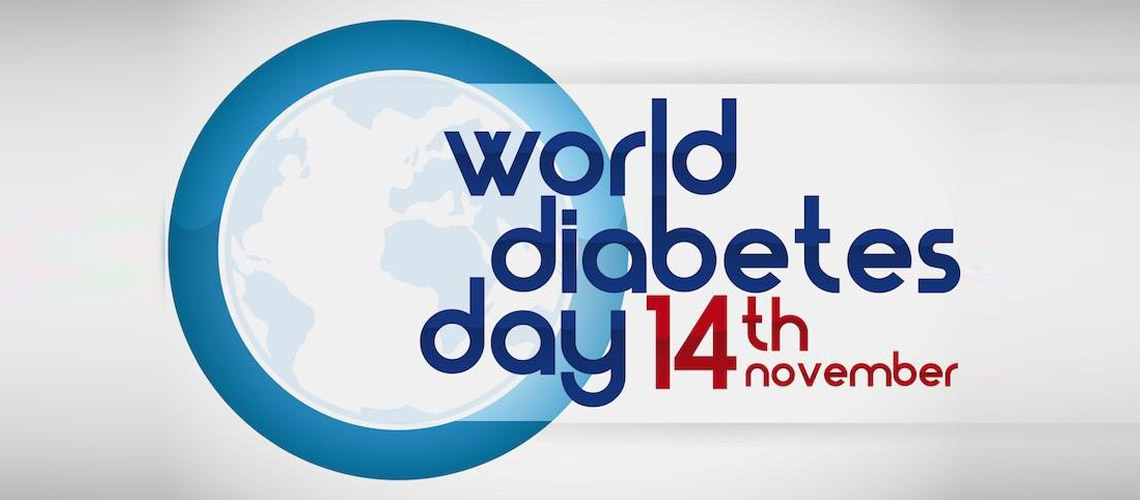
Early detection is key to a positive prognosis! On 20 December 2006, the General Assembly of the United Nations passed a landmark Resolution recognising diabetes as a chronic, debilitating and costly disease. They chose 14th November as World Diabetes Day in commemoration of Sir Frederick Banting who co-discovered insulin with scientists Charles Best and John James Rickard Macleod. Insulin has revolutionised the therapy and prognosis of diabetes. World Diabetes Day is the world's largest diabetes awareness campaign reaching a global audience of over 1 billion people in more than 160 countries. The purpose of marking this day within Diabetes Awareness Month is to educate people on how diabetes impacts the lives of people, to organise funding for research, to garner public support for legislation issues, teaching and training people on how to tackle this challenging disease. The mental and physical well-being of the people with diabetes remains the focus of this day, emphasising that one can live well in spite of being diabetic.     An important aspect of the campaign focuses attention on how diabetes can impact the eyes and how we can keep our eyes healthy. Diabetic eye disease, retinopathy, is a group of eye conditions caused by chronic high blood sugar levels. If left untreated this eventually leads to damage of the blood vessels of the retina. It happens gradually, often going unnoticed until the disease has progressed, and symptoms are so severe that one is at risk of vision loss. The disease can be effectively managed and...
Continue reading
  1328 Hits
1328 Hits

RAINBOWS - A SYMBOL OF HOPE


RAINBOWS - A SYMBOL OF HOPE
Rainbows are considered one of nature's special gifts and a symbol of hope. They have inspired painters, writers and songwriters, and most people can't resist capturing a rainbow in a photograph be it on a sophisticated camera or a phone. In reality, this magical phenomenon is simply an optical illusion which occurs when light from the sun is scattered by water droplets, by a process of refraction. Each water droplet has a role to play in the formation of the rainbow. How is a rainbow formed?     Sunlight is made up of light of many different wavelengths or colours which travel at different speeds. When sunlight enters a water droplet at a specific angle, white light is separated into different colours, each of which is reflected and refracted at a particular angle. The angle is a fixed measurement of between 40 and 42 degrees between the eye and the sun. The colour refracted depends on the angle at which the sunlight strikes the back of the water droplet. White light enters one individual rain droplet and exits as one specific colour of the spectrum. Each water or rain droplet reflects all colours at some time, but only one colour at a time comes back to the eye. We see the colour spectrum of the rainbow as the light passes through the raindrop at different angles. The position of the sun and the raindrops in relation to the viewer need to be just right for a rainbow to be seen. The...
Continue reading
  1837 Hits
1837 Hits

LET THE GAMES (KIND OF) BEGIN


Non-starter. Super-spreader. Necessary for world morale. Irresponsible during a pandemic. They have barely started, and already the Tokyo Olympics have gone down in history. An opening ceremony in front of an almost-empty stadium was a reminder that the world ain't what it used to be (as if we needed a reminder...) At a cost of a reported $26 billion, the Olympic Games went full steam ahead. Over 11 000 athletes from 205 countries will compete for 5000 medals across 33 sports. So, if each athlete were to win one medal every 1.5 days... just kidding. There's a Maths problem in there somewhere, but this isn't it. The Tokyo 2020 logo was hailed by designers as the most perfect logo of all time. The 2s and the 0s transfigured into the Olympic rings in perfect balance and symmetry... but then the Olympics didn't happen in 2020, so there went that idea. It was probably a financial decision not to change the name to Tokyo 2021 - considering all the reprinting of material - but it would be nice to think that the decision was in fact made to honour the perfection of impeccable design work. Speaking of design, here's a random fact for your next cocktail party (whenever we're allowed to go to those again): in 1912 the Olympic Games Committee included an art competition as a competitive event. According to the history books, painters and sculptors battled it out for the same type of medals awarded to the athletes. It seems...
Continue reading
  1825 Hits
1825 Hits

READING GLASSES FOR AGING EYES


Along with greying hair, wrinkles and stiffening joints, presbyopia is one of the inevitable aspects of the normal process of aging. As we age, the lens of the eye becomes less flexible and loses its ability to quickly change focus to accommodate both close and distant objects. Added to that, the tiny muscles attached to the lens become weaker and less able to contract effectively for close-up focus. Although the onset of presbyopia may seem to be sudden, it generally starts around the age of 40 and deteriorates gradually before vision problems are noticed. Typical symptoms of presbyopia include difficulty seeing close objects while there is no difficulty seeing distant objects, eyestrain after reading or doing close work, blurred vision, difficulty reading small print, and trouble reading or doing close work in low light. A common symptom which sometimes invites humorous comments is the need to "grow longer arms" or to hold reading material at an arm's distance away in order to focus on it. Because everyone develops at least a certain degree of presbyopia as they age, it is possible to have presbyopia in addition to other types of vision problems, such as myopia (shortsightedness), hyperopia (farsightedness), or astigmatism (an imperfection in the curvature of the cornea). Presbyopia is sometimes confused with hyperopia because in both conditions distant objects are clear while closer objects appear blurry. However, the primary difference between them is that presbyopia affects older adults and is associated with the aging process while hyperopia can affect both...
Continue reading
  1468 Hits
1468 Hits

IS THIS A SPRING ALLERGY?


We have had a particularly cold winter, so we are looking forward to warmer weather, lighter clothes and the scent of jasmine in the air. However, for some people the arrival of spring signals allergies and all that those bring: the runny nose, scratchy throat, red itchy eyes and non-stop sneezing. Added to these irritating symptoms, the times we are living in make us question if we have allergies, an eye infection or even COVID. The symptoms may be similar or overlap, but the causes and treatment differ.     Eye allergies or "allergic conjunctivitis" fall into four basic categories. The most common of these is seasonal conjunctivitis which is triggered by allergens in the air, such as pollen and grasses at certain times of the year. Allergies to dust or pet dander, among others, last all year round, and are known as chronic conjunctivitis. Contact conjunctivitis occurs in response to perfume or chemicals. An allergy to contact lenses can cause bumps on the inner eyelids and red sensitive eyes. Eye infections can come from many causes — virus, bacteria, parasite or fungus. Generally, when compared to allergies, infections have more symptoms. The rule of thumb is that if there is anything more than a clear tear-like discharge from your eyes or you feel eye pain, it is likely to be more than allergies. While eye allergies are typically not contagious, many eye infections spread easily from one person to another. It is understandable that one might panic and suspect that...
Continue reading
  1364 Hits
1364 Hits

WORLD RETINA WEEK 21 – 27 SEPTEMBER


    World Retina Week 2021 will be celebrated within Eye Care Awareness Month which is commemorated from September 21 to October 18 to raise awareness about the importance of eye health, specifically around the prevention and treatment of avoidable blindness. According to Claudette Medefindt of Retina SA, many vision problems that occur later in life could be avoided with early, and often quite simple, preventative measures. Many eye conditions are asymptomatic for years and are sadly only diagnosed when the problems like damage to the retina are well established. Retina South Africa urges each and every South African to get involved to protect their precious sight. The retina makes its first appearance in a foetus's eyes at just 8 weeks of pregnancy. From then on, it grows rapidly and can pick up light signals as early as the 16th week of foetal development. The retina is a thin layer of tissue that lines the back of the eye. It covers almost 65% of the inner surface of the eye. The function of the retina is to receive light that has been focused by the lens, convert the light into electrical signals and send this information to the brain via the optic nerve, which is a bundle of over a million nerve fibres. The macula is the area of the retina containing special light-sensitive cells which allow us to see fine details clearly in the centre of our visual field. In the centre of the macula sharp vision is provided by...
Continue reading
  1354 Hits
1354 Hits

ZOOM GLOOM


The recent pandemic has transformed everyday lifestyle across the world. It has changed the way we work, shop, socialise, educate our children, and has even given us a new vocabulary or different interpretations of our existing words. We talk about our "new reality". "Lockdown" means something different from what we thought it meant two years ago. Did we know what "co-morbidities" were just a few months ago? Even young children are using the new terminology. One of the newer buzz words is "zoom fatigue".     In spite of a large number of people not being able to be connect with the digital world, we cannot deny the obvious benefits of digital platforms such as Zoom, which allow many people to continue working, children to access educational material, and friends and families to connect face-to-face, while remaining safely at home. However, as with most good things, there is often a price to pay. Zoom fatigue has been compared to burn-out, with certain psychologists commenting that it actually contributes to the general burn-out which is nothing new and has been around longer than the COVID pandemic. It is characterised by exhaustion, particularly after a long day of virtual meetings, feelings of apathy and lack of motivation, difficulty concentrating, irritability, and physical symptoms like muscle tension and headaches. Our eyes were not designed to stare at screens for prolonged periods of time. Intensive sitting on Zoom meetings in front of a screen can result in pain in the eyes, blurry vision, dry eyes,...
Continue reading
  1496 Hits
1496 Hits

THROUGH WOMENS' EYES


When it comes to eye health and vision, men and women aren't created equal! Worldwide, two-thirds of all cases of blindness and visual impairment occur in women. Women typically live an average of 5 years longer than men do, and they tend to remain healthier longer. The downside is that a woman's increased life expectancy has implications for her visual health. According to a survey, a large percentage of women believe that men and women are at equal risk for eye disease and vision loss. The same survey found that women are less likely than men to have regular eye examinations or to access health care in general. Risk Factors for Women     Age is a major risk factor for eye conditions like glaucoma, cataracts, macular degeneration, diabetic retinopathy, and dry eye syndrome. Women are also more likely to suffer from autoimmune conditions which are often accompanied by visual side effects. Among these is lupus, rheumatoid arthritis and multiple sclerosis. Throughout their lifespan, women experience a significant amount of hormonal fluctuation, ranging from puberty to pregnancy and menopause, during which time there are surges of estrogen which can impact the eyes. Some medications, whether over-the-counter or prescribed by a medical professional, can pose risks to eye health. These include corticosteroids, some antidepressants, certain antihistamines, birth control pills and some cancer treatments. Overall, women tend to take more medication than men do. Protecting Eye Health     Taking a preventative approach to eye care is the best way to protect and...
Continue reading
  1206 Hits
1206 Hits

SPOTS BEFORE YOUR EYES

SPOTS BEFORE YOUR EYES
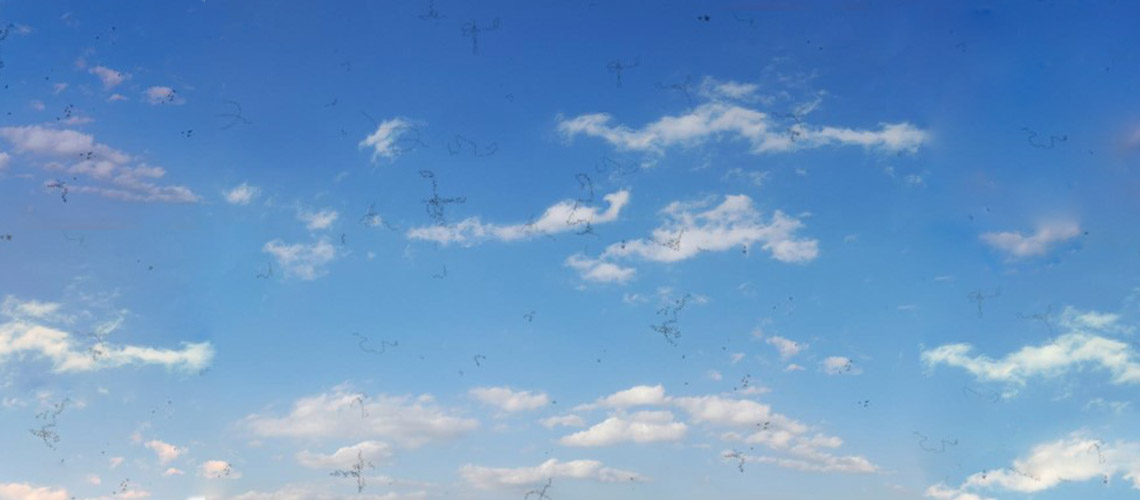
Many people experience eye flashes and floaters at some time in their lives, and many people confuse them, thinking they have floaters when they have flashes, and vice versa. Although they both originate from within the eye itself, they differ in terms of appearance and causes. Eye floaters are freely floating clusters that gently drift in the visual field. They come in various shapes and sizes - to some people the floater appears to be a spot, while others see a thread, and still others see them as clear bubbles. In fact, what is being seen is the shadow being cast onto the retina by a solid mass. Eye flashes are visual sensations of bright light that are not caused by light sources in the environment. They may appear as quick bursts of light or streaks of lightning, usually in peripheral vision. What causes eye floaters and flashes?       Eye floaters are caused by the formation of clusters of collagen in the vitreous part of the eye. The vitreous humor is the gel-like fluid that fills the large cavity between the lens at the front of the eye and the retina at the back of the eye. As we age, the collagen fibres begin to clump together, forming masses of different shapes and sizes which float freely throughout the vitreous. They move as the eyes move but seem to dart away when you try to look at them directly. These clumps cast shadows on the retina and are perceived...
Continue reading
  2247 Hits
2247 Hits

READY FOR A 25-HOUR DAY?

READY FOR A 25-HOUR DAY?
June is Youth Month and Midway-Through-The-Year Month. It's arguably the coldest time in our hemisphere, and the time of year when we take stock and realise we haven't even started on our New Year's resolutions. But apart from all that, June is Winter Solstice time... which is quite something if you stop and think about it. And not just think about how soon you can pack away the heaters, but really and truly think about it. Because come June 21st, some interesting things will be happening above our heads. If anyone out there has a working knowledge of Latin, you'll know that "solstice" means "sun stands still". That makes it sound dramatic and earth-shattering (excuse the pun), but it isn't entirely accurate. It's actually the day when the sun is furthest from the Earth's celestial equator - if my memory of primary school Science serves me (or was it Geography?) Not to get too technical, it's basically a (literal) turning point in our year. Some people use it as a time for reflection. (You know, because the sun has "stopped" and they feel they should too.) Others treat it as the beginning of the countdown to summer. And others feel it's the perfect excuse to procrastinate. After all, it's the shortest day of the year - how can we be expected to get anything done? (Which means it's also the longest night of the year, so what can we do but binge-watch more episodes than usual?) And while we're talking about...
Continue reading
  1094 Hits
1094 Hits