MY EYE HURTS!

|
Eye pain is common but is rarely a symptom of a serious problem, and the severity of the pain does not necessarily indicate how serious the underlying cause may be. While in some cases, the cause is obvious, it is often difficult to know why the eye is painful. The pain may occur on the surface of the eye or deep within the eye. It may be experienced in a variety of ways and may be accompanied by a variety of symptoms or by no other symptoms. With certain eye conditions, there may be no pain at all in the early stages. SUPERFICIAL EYE PAIN Foreign object One of the most common causes of pain on the surface of the eye is a foreign object or debris such as dust, makeup or an eyelash. Foreign bodies that can become embedded in the cornea include tiny stone particles, sawdust and metal shavings. The scratchy uncomfortable feeling can range from mild to severe and is typically most irritating with blinking as the eyelid rubs across the cornea. There may be watering, blurred vision and sensitivity to light. If you feel you have something in your eye, try to flush it out with saline solution or water. Corneal abrasion The cornea, the clear surface that covers the eye, is susceptible to scratches, causing discomfort, watering and light sensitivity. It is often impossible to tell if the eye pain is due to a minor scratch or a deeper abrasion. Many superficial abrasions heal on their own within 24 hours, but if the pain persists and does not ease with flushing of the eyes, it is advisable to seek medical attention. Deeper abrasions or embedded material can cause a serious eye infection. Conjunctivitis
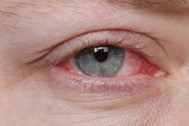
Conjunctivitis or "pink eye" is an inflammation of the thin membrane covering the front of the eye and inner eyelids. It may be caused by an allergy or infection. The pain is typically not severe, but the eyes are red, feel itchy and watery and there is a discharge from the eyes. Antibacterial eye drops or oral antibiotics may be used to treat infections of the eye. Allergic conjunctivitis is often treated with antihistamine medication. |
||||
|
Contact lens irritation
In contact lens wearers, eye irritation may be due to wearing the lenses for extended periods, sleeping with them in or not disinfecting them properly, leading to infection. If the vision is blurred as well as painful the contact lens may have shifted or become folded in the eye. If you can see your contact lens in the mirror, wash your hands and attempt to remove it. If you can't see it, flush your eye with saline solution and continue to roll your eye around until the contact lens shifts to an accessible place on the surface of the eye. Give your cornea time to heal by wearing glasses for a few days. |
||||
|
Flash burns Chemical burns and flash burns, often the result of welding, exposure to irritants such as chemicals or intense light sources, can cause significant eye pain. Flushing with water can ease the pain. Construction workers should wear protective eyewear and chemicals such as household cleaners and garden sprays should be handled with care. Blepharitis Blepharitis is an inflammation of the eyelids caused by a clogged oil gland or eyelash follicle, leading to swollen, itchy eyelids, red, watery eyes, and a burning sensation. Applying a warm compress to the eyes will provide relief by helping to clear the clogged oil gland or eyelash follicle. Stye A blepharitis infection can create a stye or chalazion on the eyelid. A stye can be very painful, and the area around the stye is usually very tender and sensitive to touch. A warm compress will help to ease the pain. A chalazion isn't usually painful. Dry eyes A very common cause of eye discomfort, particularly in older people, is dry eyes. It is characterised by red eyes, a sensation of scratchiness and sensitivity to light. The eyes water excessively as a reaction to the lack of moisture on the cornea. Sometimes dry eyes can lead to a corneal abrasion, due to insufficient tears to keep the cornea lubricated. Artificial tears or eye drops recommended by an optometrist are usually effective in relieving the discomfort. PAIN WITHIN THE EYE Glaucoma
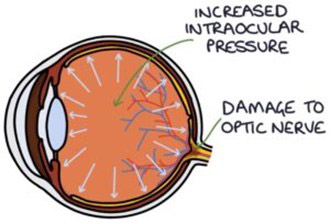
Glaucoma is a group of eye conditions which occurs as pressure builds up within the eyes, gradually damaging the optic nerve which conveys messages from the eyes to the brain. In its early stages, glaucoma rarely has symptoms which develop as the disease progresses. The less common type of glaucoma, acute angle closure glaucoma, occurs suddenly with symptoms of severe eye pain, blurred vision or vision loss, nausea and headache. It is a medical emergency which needs immediate intervention. A glaucoma check should be part of your annual visit to your optometrist as early detection is the key to protecting vision from glaucoma-related damage. Eye drops may be prescribed to help reduce the build up of pressure within the eyes. |
||||
|
Optic neuritis Inflammation of the optic nerve can cause eye pain, particularly when moving the eyes or blinking. This may be accompanied by loss of vision. An autoimmune disease or a bacterial or viral infection may be the cause of the inflammation. Cluster headaches
Cluster headaches are sudden very painful headaches which can involve the eyes. They typically affect one side of the head and can last between 15 minutes and 3 hours. Symptoms can include red eye, droopy eyelid, sensitivity to light and excessive tearing. Treatment usually involves medication to treat or prevent the headache. |
||||
|
Migraines Eye pain is a common side effect of migraines. The pain is usually behind one eye and may be accompanied by sensitivity to light, dizziness, flashing lights or the appearance of aura. Sinusitis An infection of the sinuses can cause pressure behind the eyes to build. As it does, it can create pain in one or both eyes. Pain behind the eye from a sinus infection is usually less severe than pain from a migraine. Injury Injury or trauma to the eye or face can cause significant eye pain. Medical intervention is advised, particularly if the pain is accompanied by other symptoms such as vision loss or light sensitivity. Computer vision syndrome
Computer vision syndrome or digital eye strain is the result of prolonged hours staring at the screen of a computer or smartphone. Symptoms include burning, tired, watery eyes, headaches and neck or shoulder pain. While not a serious problem, it can be uncomfortable. Simple steps to relieve the discomfort include taking regular breaks, blinking frequently, adjusting the brightness of the screen and exercising the 20-20-20 rule: every 20 minutes look 20 feet ahead for 20 seconds. |
||||
|
The best way to treat many of the conditions that cause eye pain is to allow the eyes to rest. A number of home remedies, such as flushing the eyes with water or saline solution, applying a warm or cool compress, or over-the-counter eye drops can offer effective relief. Consult your doctor or optometrist if symptoms don't ease within 48 hours or if there has been trauma to the eye. |
||||