EyeMark Newsletters

A list of all our EyeMark Newsletter Articles

FIND THE RIGHT LENS COATING FOR YOU


FIND THE RIGHT LENS COATING FOR YOU
When do you need to wear glasses? Indoors? For outdoor activities? At the computer? For reading? For driving, day or night? For sport? For watching TV? We all have different visual needs and with the variety of lens coatings available, it is possible to cater for everyone’s unique lifestyle, visual habits, personal preferences and budget. Being faced with too many choices can be confusing, but with an understanding of lens coatings and the guidance of your optometrist the right decision for your specific needs can be made. ANTI-REFLECTIVE COATING       Anti-reflective coatings comprise many different thin layers of coating applied to the front and back of lenses to reduce glare from different wavelengths of light. By reducing unwanted reflections from the lens surfaces, more light is transmitted through the lens, making vision clearer and minimising eye strain. Reflections from the lenses of glasses make it difficult to see the wearer’s eyes, but with an anti-reflective coating, the wearer’s eyes are visible and look more natural. This coating is particularly beneficial for people who drive at night and find reflections from headlights and streetlights uncomfortable. Anti-reflective coatings can show smudges more readily than uncoated lenses so should be cleaned regularly with a soft cloth. SCRATCH-RESISTANT COATING       As well as affecting the ability to see clearly and causing eye strain, scratched lenses can reduce the life of the lenses. Plastic lenses are more prone to scratching than glass lenses, and many plastic lenses contain a built-in scratch resistant...
Continue reading
  1274 Hits
1274 Hits

MYOPIA CONTROL: PROTECTING EYE HEALTH


MYOPIA CONTROL: PROTECTING EYE HEALTH
Myopia, short-sightedness, is a common eye disorder that causes blurred distance vision. It typically starts in children around the age of 10 years, deteriorating until the late teens or early twenties when it stabilises. There is growing concern worldwide around the alarming increase of myopia and its rapid progression, affecting quality of life, increasing eye health risks and posing a threat to the future visual health of children.       In children, the eyes are meant to grow steadily until the teenage years, then stabilise. With myopia, the eye is longer than normal from front to back, or the cornea is too steeply curved. Myopia progression is the ongoing deterioration of vision caused by the eyes growing too quickly and too long for the normal rate of eye growth. Research suggests that children who spend long periods of time indoors doing near-focused activities, such as computer work, video games, and reading, have higher rates of myopia than those who spend more time outdoors. Even after a childhood of normal vision, young adults can suffer myopia progression, albeit at a slower rate than children and teenagers. Myopia progression brings with it increasingly blurred vision, the need for frequent changes in glasses or contact lens prescription and an increased risk of eye diseases and vision problems over a person’s lifetime. Earlier onset of myopia can lead to a higher degree of myopia, a faster rate of progression and an earlier onset of eye diseases typically associated with adults, such as cataracts, glaucoma,...
Continue reading
  1519 Hits
1519 Hits

IF A WOMAN HAD DONE IT


IF A WOMAN HAD DONE IT
As we move into Women’s Month, we celebrate the female heroes and pioneers who continue to change the world in so many ways. And while we’re at it, let’s see what might have happened if major moments in history had had a feminine touch... When Alexander Graham Bell invented the telephone, the first words he uttered on the device were: “Mr. Watson, come here. I want to see you.” One wonders whether a woman might have put more emotion and enthusiasm into that historic moment. Also, studies show that women on average speak 20 000 words a day - 13 000 more than men. So a woman might have used a few more words to summon Mr. Watson. An adjective here or there, maybe. Or an adverb. On that note, who invented the WhatsApp group? You know, the one for the soccer league and the bowls club and the old school boys and the cycling group... Don’t think a woman invented those. And who invented the jokes that get shared on those groups? Probably the men who laugh at them... and then share and share and share them. Speaking of inventors, where would we be without Thomas Edison’s invention of the light bulb? We’d be without light for hours on end until... oh, wait a minute. Let’s stop right there. Loadshedding jokes aside though, we celebrate Edison for his ingenuity. But I can’t help thinking that, if a woman had invented the light bulb, she also would have invented something so...
Continue reading
  1520 Hits
1520 Hits

VISION BEYOND SIGHT


VISION BEYOND SIGHT
In a world where sight is often taken for granted, there are extraordinary individuals who have transcended their visual impairments to leave an indelible mark on those around them. Their stories remind us that true vision extends beyond physical sight and that blindness is not necessarily a barrier to achieving a dream. Life as a visually impaired individual is filled with unique challenges, but it may also encompass perseverance, unwavering determination and an example of the indomitable human spirit. ERIK WEIHENMAYER “Adversity alone has the unique power to inspire exceptional clarity, purge any vestiges of lethargy, refocus your priorities, hone your character, and unleash your most potent forces.” (“The Adversity Advantage: Turning Everyday Struggles into Everyday Greatness”)       Erik Weihenmayer was born with Retinoschisis, a condition in which the retina separates into two layers, resulting in poor vision. He lost his sight completely at the age of 13, but this did little to quell his ambition. Erik has spent his whole life overcoming seemingly impossible challenges to become one of the most accomplished adventurers in the world. In 2001 he was the first and only blind man to reach the summit of Mount Everest. He has made other remarkable ascents, including the Seven Summits, the highest mountain on each of the seven continents, a feat which only 118 others in the world have achieved. Along with a taste for adventure, Erik is involved in various charities for the visually impaired. He co-founded No Barriers USA, which aims to aid...
Continue reading
  1619 Hits
1619 Hits

“SEEING THE WORLD IN GREY”


“SEEING THE WORLD IN GREY”
The Effects of Depression on Vision When we think of depression, we think of its emotional symptoms, such as sadness and loss of interest in activities, but the impact of depression goes beyond the emotions. Severe depression is associated with biological changes in the body that influence various functions, including vision. New research suggests that depressed people literally view the world differently, that visual information is processed differently. As one study expressed it, “they see the world in grey”. It is not clear if these visual changes are related to how the eyes take in visual information or how the brain interprets the visual information. Depression activates the body’s stress response system, which can lead to physiological changes and disruption of normal processes such as tear production. Neurological changes can alter the way the brain processes information leading to visual disturbances such as blurred vision and focusing difficulties. Depression can heighten sensory sensitivity, making normal light levels feel harsh and uncomfortable. Pupil dilation, which is part of the nervous system’s response to stress or excitement, is reduced in people with depression. VISUAL PERCEPTION AND DEPRESSION       One of the primary ways that depression affects vision is through altered visual perception. Research has shown that individuals with depression may experience changes in contrast sensitivity, colour perception, and spatial processing. Reduced contrast sensitivity makes it difficult to perceive differences in shades and brightness, which can lead to difficulties in everyday tasks such as reading, night driving or locating objects on a...
Continue reading
  1599 Hits
1599 Hits

THE HIDDEN GAP IN THE EYES


THE HIDDEN GAP IN THE EYES
      Everyone has a tiny imperfection in their eyes where the optic nerve leaves the retina and blood vessels enter it. This area is the optic disc or optic nerve head, which contains no light receptor cells, making it insensitive to light. Without photoreceptor cells, no visual information can be captured by the eye and no message can be sent to the brain which usually processes and interprets visual information. This is the blind spot. The blind spot is relatively small, measuring about 1.5 millimetres in diameter. Despite its small size, its impact on vision is significant because it creates a gap in the visual field. The blind spot of the right eye is located to the right of the centre of vision and vice versa in the left eye. Most of the time we don’t notice the blind spot and it rarely affects our daily activities, because the blind spots of the two eyes are in different parts of the visual field. Each eye sends its own information to the brain, which merges the input from each eye, effectively eliminating the blind spots. The brain also has the ability to fill in missing information and seamlessly integrate it from areas surrounding the blind spot. This process relies on patterns, colours, and textures to fill in the gap, creating the illusion of a continuous visual experience. Because of the compensatory mechanisms of the eyes and brain, we are unable to perceive the blind spot with both eyes open. Even...
Continue reading
  2029 Hits
2029 Hits

DISEASES OF THE RETINA


DISEASES OF THE RETINA
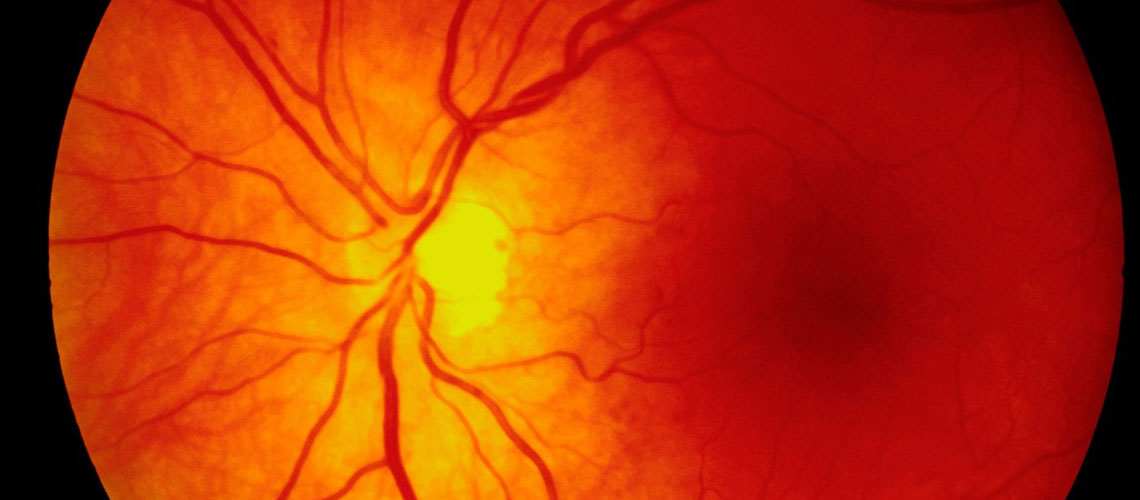
The eye is a highly specialised complex sensory organ which contains many structures to enable vision. Light enters the eye through the pupil, is focused by the lens and lands at the back of the eye on the retina which contains millions of light-sensitive receptor cells as well as other nerve cells that receive and organise visual information. The light is converted into electrical impulses which travel via the optic nerve to the brain where they are processed and interpreted. The two primary photoreceptor cells are the rods and cones. Rods, which are responsible for black and white vision, are generally situated around the edges of the retina. They can detect the lowest amounts of light, allowing people to see at night. Cones are present in the macula, the central part of the retina, and help people distinguish colours and see in typical light conditions. There are different types of cones, depending on the colour to which they are sensitive. Retinal disorders are conditions that can affect any part of the retina. They vary widely, but most of them cause visual symptoms. Some may mildly affect a person’s vision, while others can cause severe vision loss or blindness. Anything that affects the retina should be taken seriously since with some conditions vision cannot be restored once it has been lost. Depending on the specific condition, treatment is available, the goal of which may be to stop or slow down its progression. The earlier the condition is detected, the better the long-term...
Continue reading
  1477 Hits
1477 Hits

MEN AND WOMEN DON’T SEE EYE TO EYE!


MEN AND WOMEN DON’T SEE EYE TO EYE!
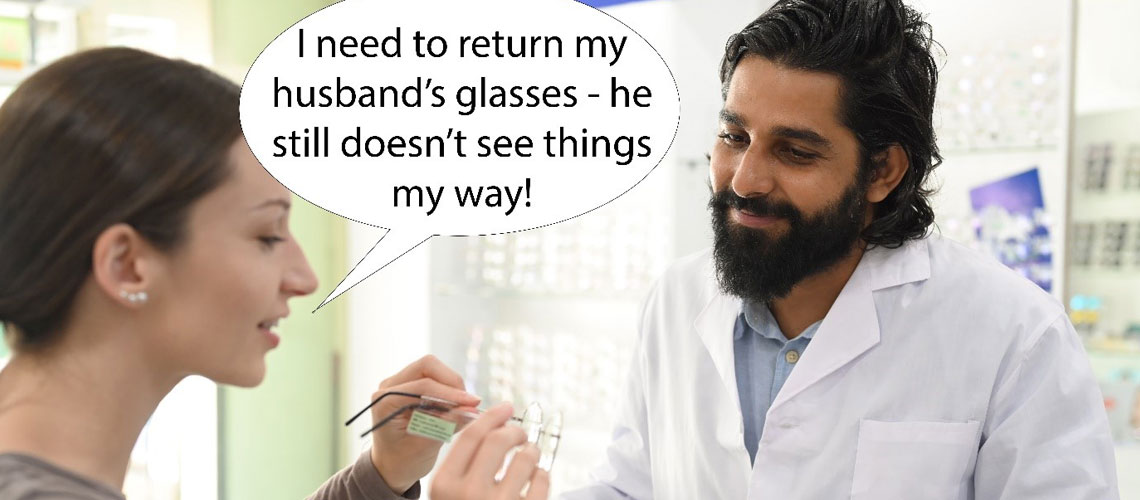
MEN AND WOMEN DON’T SEE EYE TO EYE! Does gender play a role in our visual ability? Is there a distinction between men’s and women’s vision? According to research, the answer is an unreserved yes – men and women literally see the world differently. To paraphrase a well-known expression, “visual ability is in the eye of the beholder”, or at least in the gender of the beholder. Among other factors, this difference includes hormonal effects and susceptibility to eye diseases and eye care. VISUAL PERCEPTION Generally, women are better able to distinguish subtle differences in colour, while men are more able to detect fast-moving objects and details. It has been suggested that this may have its roots in the evolutionary history of human beings. Dating back thousands of years, the differentiated roles of men and women in prehistoric society is thought to have impacted brain function and led to the development of distinct abilities to fit those roles. Men were required to hunt, necessitating the ability to perceive fast motion and detect the fine details of both prey and predators at long range. The task of women was to forage and gather food, requiring better recognition and colour differentiation at close range to determine which foods were edible or ripe enough to eat. Research concludes that biological evolution and adaptation has differentiated the vision between the two genders. INFLUENCE OF HORMONES Hormones, the body’s natural messengers, play an important role in how the eyes work. Hormonal fluctuations during significant life changes,...
Continue reading
  1533 Hits
1533 Hits

LESSONS FROM MY YOUTHS


LESSONS FROM MY YOUTHS
As our country celebrates Youth Month, I celebrate the two youths who live in our house. They charm, delight, madden, exhaust and exasperate us. But as the wisdom goes, kids are here to teach us things. For example, I’ve always heard that kids are a lesson in patience. I’m not sure I’ve mastered that one yet, but my youths have taught me a whole lot of other things. Such as... When our two-year-old handed me the TV remote and asked me to change Mickey Mouse into Minnie Mouse. I marveled at how much power he thought I had. Or maybe he really believed anything was possible. When our two-year-old first began questioning the nature of the universe and asked: “Whobody makes it sunny and makes it dark?” When I was saying something parental to our two-year-old and he asked, “Why you talking always?” Which taught me to shut up. When our three-year-old apologised for not saying please and explained that his magic word got stuck inside his body. Those good manners also meant he got angry watching rugby, because the players were pushing and not saying sorry. When our three-year-old gave us a big smile and said, “I’m just going somewhere I’m not supposed to be.” I respected his unbridled honesty, and then asked a whole lot of follow-up questions. When our three-year-old saw a shooting star and I told him to make a wish, so he wished for another shooting star. I praised his logic, and again his belief in...
Continue reading
  1287 Hits
1287 Hits

ACCIDENTS HAPPEN!


ACCIDENTS HAPPEN!
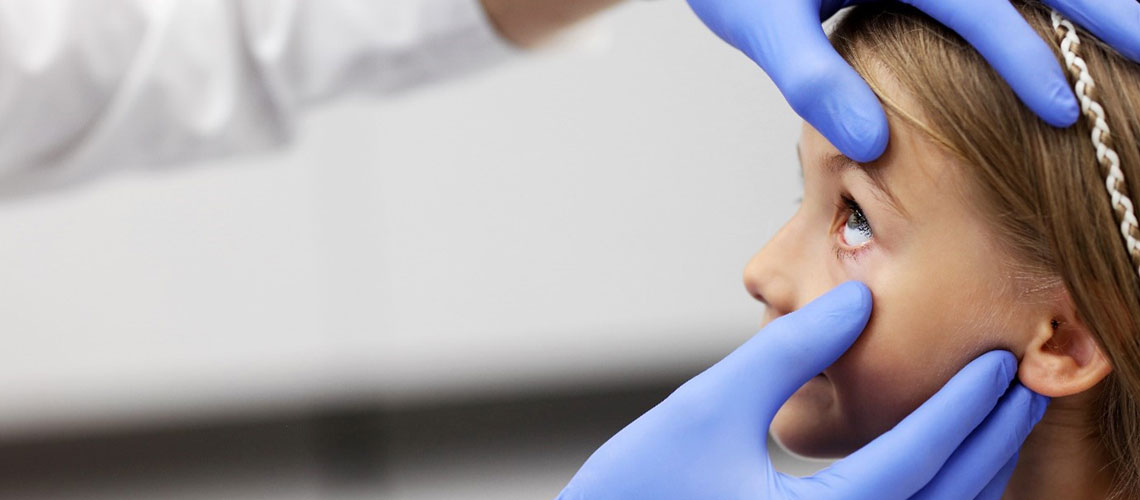
In spite of all that parents do to try to keep their children safe, accidents do happen, and many of those result in eye injuries. Eye injuries can occur around the eye, on the eyelid and inside the eye, and certain vision problems may be the result of injuries to the head. Types of eye injuries include scratches or abrasions to the cornea, foreign bodies in the eye, chemical burns, blood in the eye, bruising around the eye, cuts on the eyelid and fractures of the bone around the eye. Causes of Eye Injuries       Approximately half of all eye injuries occur in the home, most of them being caused during play. Everyday objects in the home and garden are often involved in eye injuries, for example crayons, scissors, kitchen utensils, edges of furniture, sticks, tools and garden equipment which may cause debris to fly into the eyes. Household cleaners and aerosols can cause chemical burns to the eyes. Injuries can be caused by projectile toys, even those with soft projectiles, and toys with antennas, sharp edges and sharp points. Eye injuries are common while playing sport. It is never advisable for children to handle fireworks, firecrackers or even sparklers, as they pose a high risk of injuries. Children enjoy playing with flashlights and laser pointers; however, if shone directly into the eyes they can cause eye damage. General Symptoms of Eye Injuries While there are sometimes no obvious symptoms of an eye injury, some of the more obvious...
Continue reading
  1984 Hits
1984 Hits