EyeMark Newsletters

A list of all our EyeMark Newsletter Articles

QUARTER-LIFE CRISIS


QUARTER-LIFE CRISIS
So there goes 2025, and the first quarter of this century. In human terms, the age of twenty-five can bring on a case of quarter-life crisis. You know... a time of doing strange things, making drastic choices and questioning basically everything. Hmm, that sounds a whole lot like 2025. For example, if you’re going through a quarter-life crisis (QLC) you might make drastic changes. You know, like smashing down half of your big white house to make way for a giant ballroom - in the process destroying historical buildings, gardens planted by former First Ladies etc etc etc. Then again, a QLC is also about trying new things. So why not build a place for ballroom dancing? Who cares if people say you’re too old to dance? In fact, QLC is also about discovering that age is just a number. In this year of 2025, both the United Kingdom (in Barking and Dagenham) and New York City got the youngest mayors they’ve ever had. Plus it was the year in which the seventh (I think) Jurassic Park film was released. Just proves that someone somewhere believes that certain things never get old. By the time you turn twenty-five you might think you’ve seen everything. But that’s where quarter-life can take you by surprise. Like how the French crown jewels were stolen right out of the Louvre. It was a major heist, a mystery to police, and a social media phenomenon partly due to that mysterious guy in the fedora (who turned...
Continue reading
  1769 Hits
1769 Hits

NO SCREEN REQUIRED


NO SCREEN REQUIRED
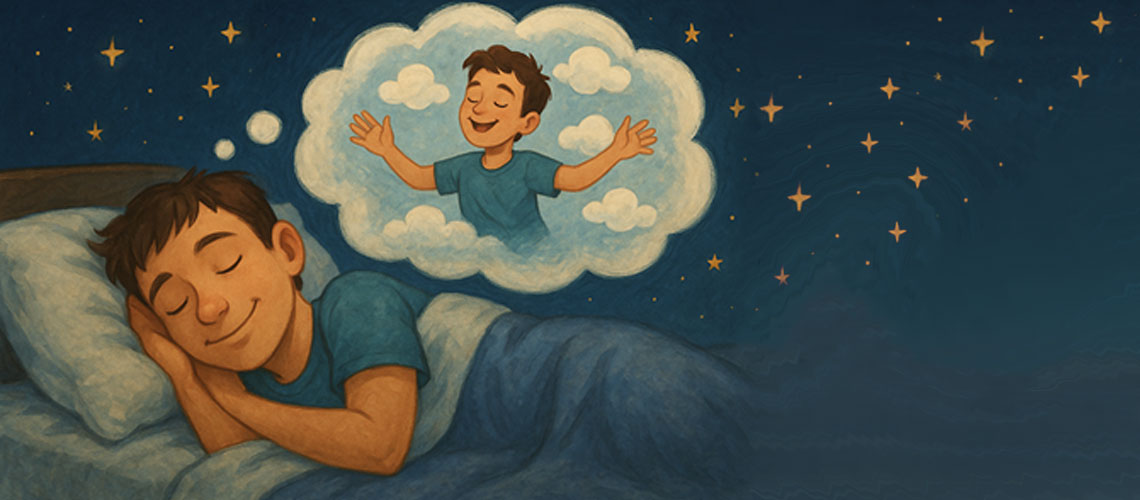
Dreams are one of the most fascinating and mystifying aspects of sleep. Since Sigmund Freud helped draw attention to the potential importance of dreams in the late 19th century, considerable research has been conducted to unravel both the neuroscience and psychology of dreams. Despite this advancing scientific knowledge, there is much that remains unknown about both sleep and dreams. Even the most fundamental question — why do we dream at all? — is still subject to significant debate. While everyone dreams, the content of those dreams and their effect on sleep can vary dramatically from person to person. Whatever the content of our dreams, they often feel incredibly visual, like watching a movie in our minds, complete with special effects, flashbacks, and the occasional plot twist that makes no sense at all. We see vivid, and often strange, images, thoughts, and feelings that can involve all of our senses, including sight, sound, and touch. Dreams are highly visual, incorporating people, faces, places, and objects, but can also include sounds, smells, and tastes. Certain medications, stress, or even lack of sleep can make dreams feel more intense or unusual. What is actually happening to our eyes and brain when we dream?       When we dream, our brain is actually creating those images, not our eyes. During a phase of sleep called REM (Rapid Eye Movement) sleep, which, as the name suggests, is when our eyes move rapidly under our eyelids, the visual parts of our brain light up as if...
Continue reading
  93 Hits
93 Hits

KEEP CALM!!


KEEP CALM!!
Stress is a part of life. A moderate amount of stress is both healthy and necessary as it motivates us, keeps us alert, boosts performance and builds resilience. The human body is naturally adapted to handle any demand or stressful situation that upsets its natural equilibrium. Once the stressful event has passed, the body returns to homeostasis. But consistent chronic stress can have a negative impact on our bodies, leading to problems with our health. Our visual health is not exempt. Stress can affect the eyes in a number of different ways intermittently or constantly. When we feel stressed, the body responds by releasing the hormones cortisol and adrenaline. These hormones trigger the “flight or fight” reaction which prepares our bodies to respond to perceived threats. Physical reactions include increased heart rate and respiration, elevated blood pressure, heightened muscle tension and dilated pupils. Over time, high levels of these hormones impact our vision in various ways, resulting in short-term and long-term problems. SHORT TERM EFFECTS OF STRESS Light sensitivity       During a “flight or fight” reaction, the pupils dilate to allow more light into the eyes so that we can see potential threats more clearly. This may cause increased sensitivity to bright light. If the pupils remain dilated during constant stress, sensitivity to light may be increased, making the eyes feel sore and strained. Eye twitching Uncontrollable twitching or muscle spasms in or around the eye are a common sign of stress brought on by muscle tension. This is...
Continue reading
  1461 Hits
1461 Hits

SPLASH!! WATER AND YOUR EYES


SPLASH!! WATER AND YOUR EYES
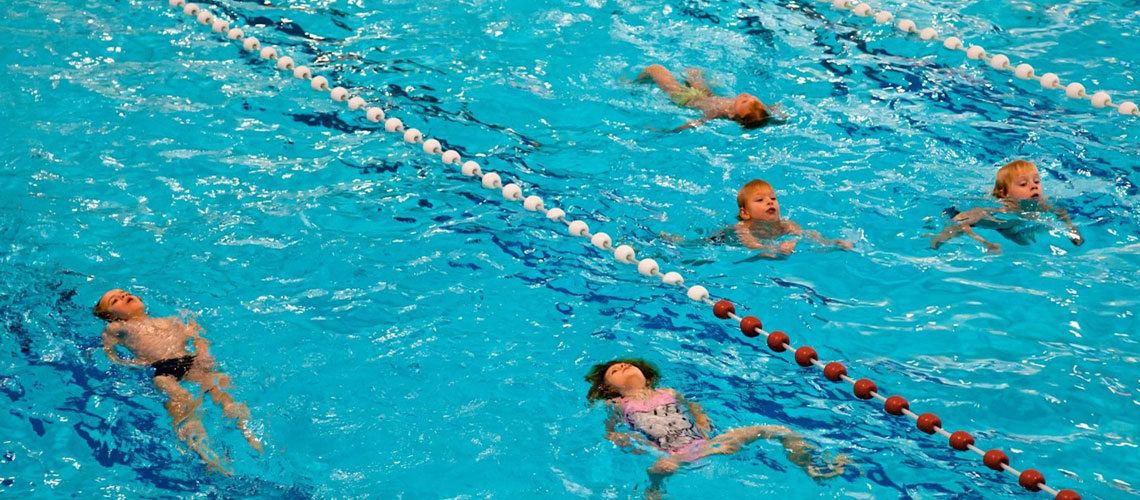
Summer is the perfect season for outdoor activities, and swimming is a popular pastime for many. Whether diving into a pool, splashing in the ocean, or enjoying a dip in the lake, there is nothing quite like a refreshing swim on a hot summer’s day. Water can pose significant risks to the eyes. Different types of water can lead to anything from irritation to more severe infections, so it is important to be aware of eye safety to prevent potential problems. POOL WATER       Red eyes are a classic sign after swimming. Swimming pools are treated with chlorine and other chemicals to maintain water quality and prevent the spread of bacteria, and these chemicals can be harsh on the eyes. It is not the chlorine that makes the eyes sting in a swimming pool; it is chloramine, which forms when chlorine reacts with dirt and other substances in the pool. This strips away the natural tear film that protects and lubricates the eyes, leading to redness, burning, irritation and a gritty sensation. For contact lens wearers, it could be worse as the chlorinated water, and sometimes bacteria, can be absorbed by the lenses, increasing the risk of infection. LAKES, RIVERS AND DAMS Natural bodies of water look beautiful, but they often harbour tiny organisms and contaminants the eyes would rather avoid. Exposure to these elements can lead to eye infections such as conjunctivitis or more serious conditions, which can severely impact vision if not treated promptly. These infections may...
Continue reading
  1626 Hits
1626 Hits

NATURE’S MOST AMAZING CAMERA


NATURE’S MOST AMAZING CAMERA
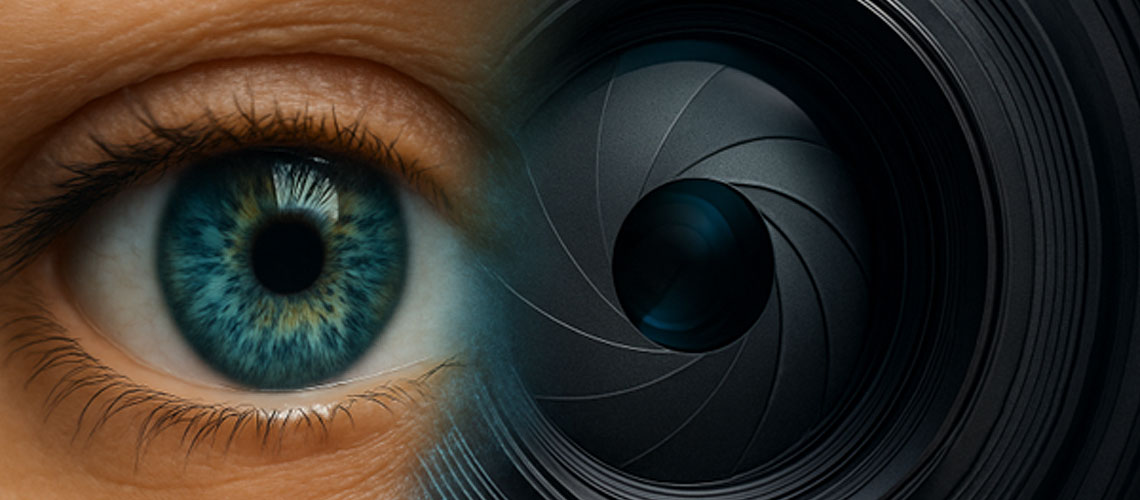
Long before cameras existed, nature had already perfected the design of the human eye, and many people wonder if the camera functions like the human eye. While the human eye and the camera are both optical systems and are similar in some ways, they differ significantly in the way they capture and process images. The eye is a biological organ which uses biological mechanisms to capture and process visual images. The camera, on the other hand, is a technological device which operates with mechanical parts. It is a tool for capturing images, without the processing power of the brain. FOCUSING ON AN IMAGE The cornea and lens in the front of the eye are responsible for focusing light to create a sharp image as it enters the eye. Unlike the camera lens which may need to be changed, and which needs to be adjusted manually, the eye’s lens does it automatically. Tiny muscles contract and relax constantly, enabling the lens of the eye to change shape and bring objects at different distances into sharp focus. SENSITIVITY TO LIGHT       Both the camera and the eye are able to control the amount of light that enters. In photography, the aperture of the camera regulates how much light passes through the lens. In the eye, the iris — the coloured part — performs the same function. When it’s bright outside, the pupil contracts to reduce light, and when it’s dim, it dilates to let more light in. The human eye has...
Continue reading
  92 Hits
92 Hits

FRESH EYES FOR A FRESH START


FRESH EYES FOR A FRESH START
The start of a new school year always feels like a clean slate. New teachers, new subjects, new books, new friends, it’s a time full of possibility. As your child embarks on the new school year journey, take the simple step that helps ensure that their vision is as ready for the year ahead as they are. When children can see clearly and have the visual skills necessary for learning, their whole world opens up. Reading becomes easier, sports become more enjoyable, and confidence blossoms. An eye examination can make a lasting difference in how your child experiences school.       Most young children are visual learners. It is estimated that 80% of a young child’s learning occurs through the eyes, making clear and effective vision the foundation for positive school learning experiences. As children advance in their academic journey, increasing demands are placed on their visual system, such as having to read from the board, read books with smaller print, interact with electronic devices or watch a ball in sport.       Children are rarely aware they can’t see well. They assume everyone else’s world looks the same as theirs. It is up to parents and teachers to be on the alert for signs of visual problems. When vision problems slip by unnoticed, children often find ways to cope. They might avoid reading, have difficulty maintaining the place while reading, rush through homework, get distracted, tired or lose concentration easily. Do they sit too close to the TV...
Continue reading
  1728 Hits
1728 Hits

WHAT’S SO SPECIAL ABOUT OUR EYES?


WHAT’S SO SPECIAL ABOUT OUR EYES?
A group of children was asked what is special about their eyes, and their answers were both interesting and amusing. One child said: “To make sure Mum’s not sneaking broccoli into my dinner,” while another responded: “So we can watch cartoons”. “Without eyes, hide-and-seek would be just seek,” was one thoughtful comment. With regard to school, one child said that “eyes make sure we’re colouring inside the lines ......mostly”. And a favourite: “To see if it’s really bedtime or if the sun is still awake.” WHAT IS SO SPECIAL ABOUT OUR EYES?       As one of the primary sense organs, the eyes have a vital role to play in various areas of our lives. They allow us to navigate the world around us, to experience the world in three dimensions through depth perception, to adjust to different light conditions by regulating the amount of light entering the eye. They allow us to enjoy visual media for entertainment and to decipher written text for information. The eyes help us to protect ourselves by being aware of danger. Communication is enhanced through the interpretation and understanding of facial expressions and body language. Our world is brightened by our ability to recognise and distinguish millions of different colours. WHAT’S SO SPECIAL ABOUT REGULAR COMPREHENSIVE EYE EXAMINATIONS?       “I can see clearly; my eyes are fine.” This is a common reason that many people tend to delay going to the optometrist regularly for a comprehensive eye examination, but an eye examination...
Continue reading
  1465 Hits
1465 Hits

NOT REALLY WORTH IT?


NOT REALLY WORTH IT?
That’s the problem with October. That and the fact that it’s too hot, it’s too cold, the flowers are early, the rain is late... Apart from our tendency to complain about everything, the problem with October is that it often feels like nothing’s really worth it. Not at this point in the year. Sign up at the gym? Nah, it’s almost the end of the year. See those friends you haven’t seen since January? Too late already - we’ll do it next year. Any new idea or behaviour change just doesn’t seem worthwhile. Because it’s basically Christmas, right? But a valuable lesson from history is this: don’t kick back and put things off because it’s October. Let these examples inspire you. For starters, Greenwich universal time was officially established in October 1884. Imagine they’d procrastinated and only done it later. Then... well... I’m not sure what would’ve happened. Would time be what it is today? Would October even be October? Would we even be here? Is this conversation getting too deep? New topic. The very first Model T Ford went on sale in October 1908. Imagine if Henry Ford had decided to relax and wait until January. The entire course of human history might have been different. We might have had less black cars on the road today. Who knows what might have been? Also, the first ever sound film was released in October. It was 1927 and The Jazz Singer was all the rage. The film only contained two minutes...
Continue reading
  86 Hits
86 Hits

KEEP YOUR EYES SPARKLING


KEEP YOUR EYES SPARKLING
THE BLINDING TRUTH ABOUT FIREWORKS Whether its Guy Fawkes, Diwali, New Year’s Eve or a family celebration, as the end of the year draws near so does the season of sparkle and the dazzle of fireworks. Fireworks elicit a sense of awe and wonder as we ‘ooh’ and ‘aah’, but what optometrists hear all too often is ‘ow’ and ‘ouch’. Second only to hands and fingers, the eyes are one of the body parts most frequently injured by fireworks. From cuts and bruises to damaged corneas, retinas and ruptured eyeballs, eye injuries can be particularly serious due to the intense force, heat, and chemicals involved. COMMON EYE INJURIES FROM FIREWORKS According to a study of hospital visits in USA, the most common fireworks-related eye injuries in the U.S. are eyelid lacerations, eye burns, foreign objects in the eye, inflammation of the conjunctiva, the thin, clear layer covering the white part of the eye, and a ruptured eyeball. Some of these injuries can lead to permanent visual impairment. Complications of fireworks injuries may include scarring of the cornea, increased pressure in the eye, injury-related cataract or cloudiness of the normally clear lens of the eye and damage to the retina. WHAT CAN GO WRONG? Don’t underestimate safe fireworks. Even careful well-intended use of fireworks can lead to injuries, and even seemingly harmless fireworks can cause serious damage. Fireworks don’t always function as planned; they can malfunction, misfire, launch in the wrong direction, or unexpectedly explode all at once. Flaws in equipment and...
Continue reading
  2443 Hits
2443 Hits

ARE YOU ONE OF THE 25%?


ARE YOU ONE OF THE 25%?
Over 25% of the world’s population wears glasses to correct vision problems caused by a refractive error. Refraction is the bending of light rays as they pass through one object to another. In the eye, the cornea and lens bend light rays to focus them on the retina, the nerve layer at the back of the eye. The cornea in the front of the eye provides approximately 70% of the focusing power of the eye, the other 30% is from the lens inside the eye. The lens is flexible and changes shape to allow the focus to change depending on the distance of the objects we are looking at. Clear vision is achieved when the cornea and lens, in combination, focus light directly onto the retina. If the light does not land correctly on the retina, a refractive error occurs, resulting in unclear or blurred vision. TYPES OF REFRACTIVE ERRORS The four most common refractive errors are myopia (shortsightedness), hyperopia (farsightedness), astigmatism and presbyopia.       Affecting about 22% of the global population,  myopia  is a common refractive error. The light entering the eye is focused before reaching the retina rather than on the retina itself. It occurs as a result of the eye being too long or the cornea and/or lens too curved for the length of the eye. People with myopia have difficulty seeing distant images clearly, but objects close up will be in focus. They may experience eye strain or headaches and may squint when trying to...
Continue reading
  1600 Hits
1600 Hits