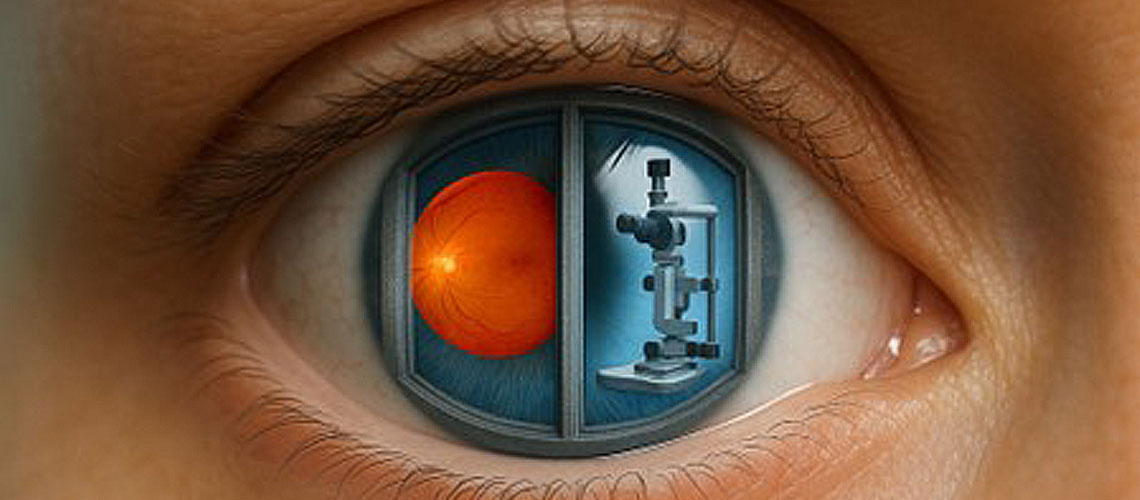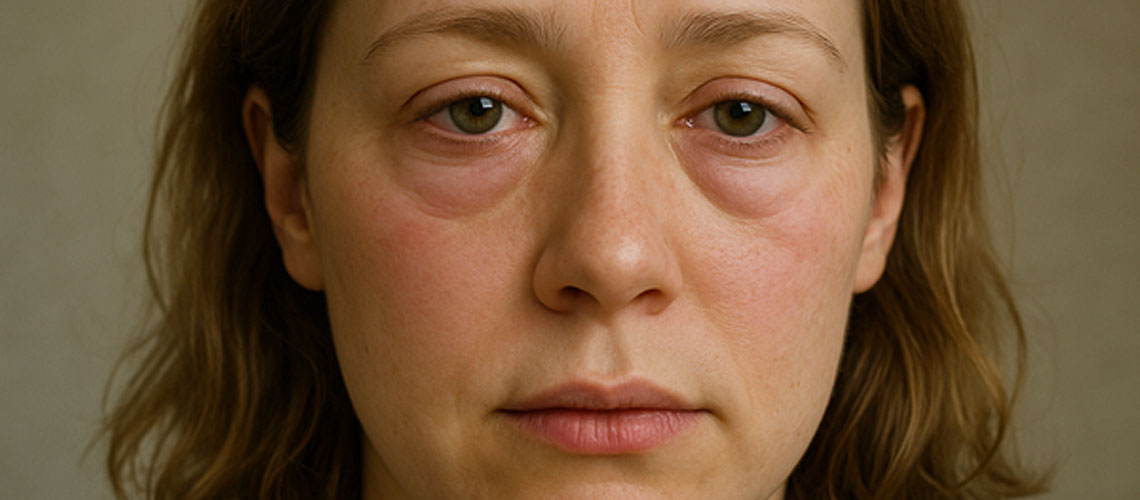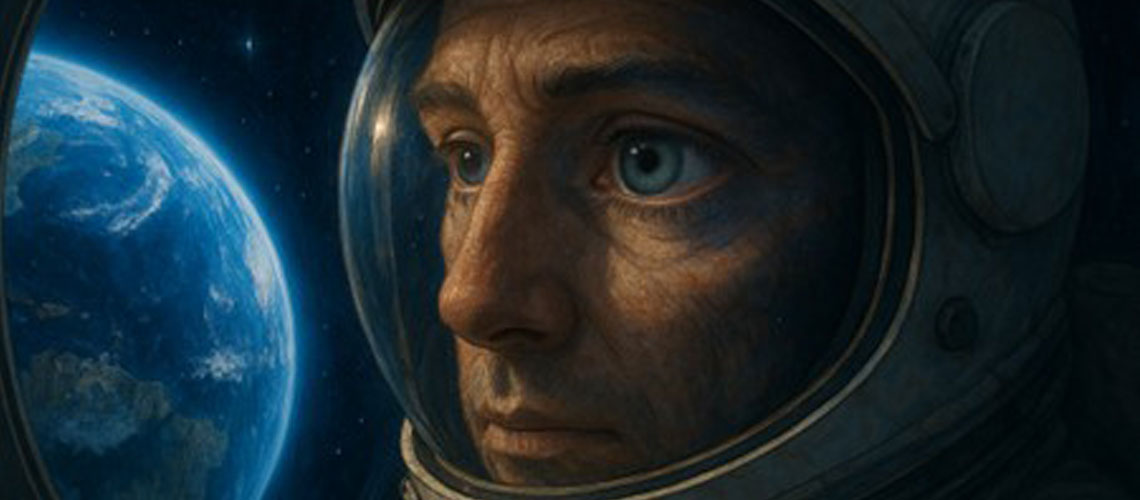
When astronauts blast off into space, they leave behind fresh air, blue skies and gravity, but they also experience a range of physical effects including back ache, bone loss, balance problems, headaches and changes to their vision. Symptoms such as blurry vision, difficulty focusing and changes to the prescriptions of their glasses are collectively known as Spaceflight Associated Neuro-Ocular Syndrome (SANS) and are primarily due to the effects of microgravity. On Earth, gravity pulls fluids, like blood and cerebrospinal fluid, downwards into the lower body. In space, however, those fluids are redistributed, floating upwards toward the head, causing increased fluid pressure inside the skull. It is thought that the constancy of pressure on the back of the eye changes the structure and functioning of the eye, leading to the vision problems astronauts experience over time. These problems include flattening of the back of the eye, swelling of the optic disc (the point where the optic nerve enters the eye) and changes in the retina. Many astronauts experience changes in their visual acuity, becoming farsighted or requiring stronger reading glasses. Because some astronauts seem more susceptible to visual problems than others, it has been suggested that genetics, body fluid regulation and cardiovascular health may all play a role. These issues were thought to be minor and usually reversible, but the longer astronauts spend in space, the greater the risks for long-term effects may be. Impaired vision is considered both a health and safety concern. Vision problems...
2502 Hits
2502 Hits