EyeMark Newsletters

A list of all our EyeMark Newsletter Articles

CATARACTS: MYTHS AND FACTS


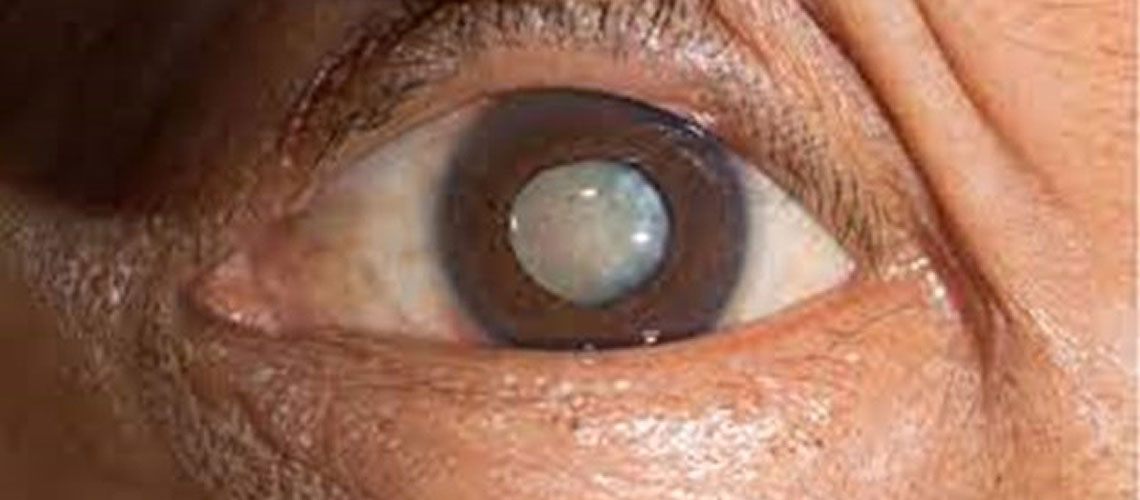
Although most people have heard about cataracts, there are many myths and misconceptions surrounding them. A cataract is a condition in which there is a build-up of protein on the normally clear lens of the eye, causing it to become yellow and cloudy. Cataracts are one of the leading causes of blindness, affecting 20 million people worldwide. MYTH: Only old people develop cataracts. While cataracts are typically a disease of aging, affecting people over the age of 40, they can occur in younger people and children, and congenital cataracts can be present at birth. MYTH: Too much screen time, reading or close work causes cataracts.      Long-term screen exposure or close work may cause eye fatigue, concentration difficulties, or dry eyes, and trouble reading or doing close work in dim light may be due to cataracts, but these activities do not cause cataracts. Risk factors that may lead to the development of cataracts include family history, eye trauma or previous eye injuries, long-term use of certain medications such as corticosteroids, exposure to the ultraviolet rays of the sun, smoking, and various chronic diseases. Congenital cataracts may be associated with a genetic cause or be due to certain infections in the mother during pregnancy. MYTH: Cataracts are growths on the eyes. Cataracts don’t grow over the lens or eye; rather they are permanent changes to the eye’s natural lens. As we age, the proteins in the lens of the eye start to break down, clump together and deteriorate. This process, combined...
Continue reading
  1542 Hits
1542 Hits

HOW ANIMALS SEE THE WORLD


The animal kingdom is filled with unique and complex visual perspectives as animals have adapted their vision to survive in their specific habitat. Good eyes for one may not be so good for another. Some animals’ vision is highly tuned to their environments of the air or sea, while others supplement their poor vision with their better senses. Senses such as ultraviolet vision, extra colour receptors, and echolocation (location of objects by reflected sound ) may be hard for humans to imagine, yet are part of the everyday life of hundreds of species of animals. Man’s best friend The dog’s eyesight performs best in low light, as during daylight hours, their vision is a somewhat washed out due to their nearsightedness, as well as their lack of true colour vision. Contrary to popular opinion, dogs do not see in black and white; rather they see mainly violet, blue, yellow and shades of grey but are unable to see red and green. What they lack in colour vision, they make up for in their acute sense of smell. Feline vision      Similar to dogs, cats can see shades of blue and green and are very nearsighted, struggling with objects in the distance. They are unable to see fine detail or rich colour but have a superior ability to see in the dark. Cats have slightly better peripheral vision than humans, allowing them to see prey and predators around them. From the goldfish bowl Goldfish are designed to see things extremely close-up....
Continue reading
  2065 Hits
2065 Hits

NOT QUITE IN THE PINK?


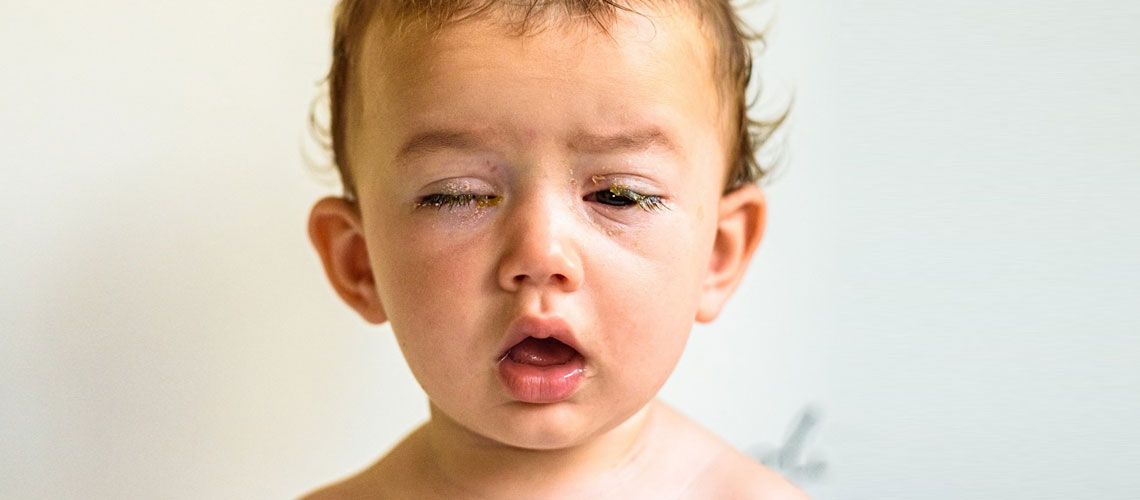
Many of us remember waking up as children with crusted eyes, red and watering, painful to the touch, with bright light adding to the discomfort. These are typical symptoms of conjunctivitis. Conjunctivitis or pinkeye, as it is often called, is an infection or inflammation of the conjunctiva, the clear membrane over the white of the eye and the inner eyelids, causing them to become red or pink. Most frequently seen in children, it can occur in adults, adolescents and sometimes new-borns. While it may look and feel uncomfortable, it is usually not serious. What causes conjunctivitis? There are three main types of conjunctivitis each with a different cause. Infectious conjunctivitis is most often caused by a bacteria or virus, often those associated with a cold or upper respiratory infection. Allergic conjunctivitis occurs commonly among people who have seasonal allergies and is usually an allergic reaction to organisms in the environment. It can occur in people who wear contact lenses. Irritants in the environment including swimming pool chemicals or air pollution can lead to chemical or reactive conjunctivitis. What are the symptoms of conjunctivitis?      As the name ‘pink eye’ implies, the classic symptom is red eyes. Other symptoms include swelling, pain, itching, burning, watering, puffiness around the eyes, a gritty feeling in the eyes and sensitivity to bright light. There may be a discharge from the eyes and its nature depends on the cause – in the case of viral or allergic conjunctivitis, it is clear and watery, while the...
Continue reading
  1240 Hits
1240 Hits

SEENG EYE TO EYE


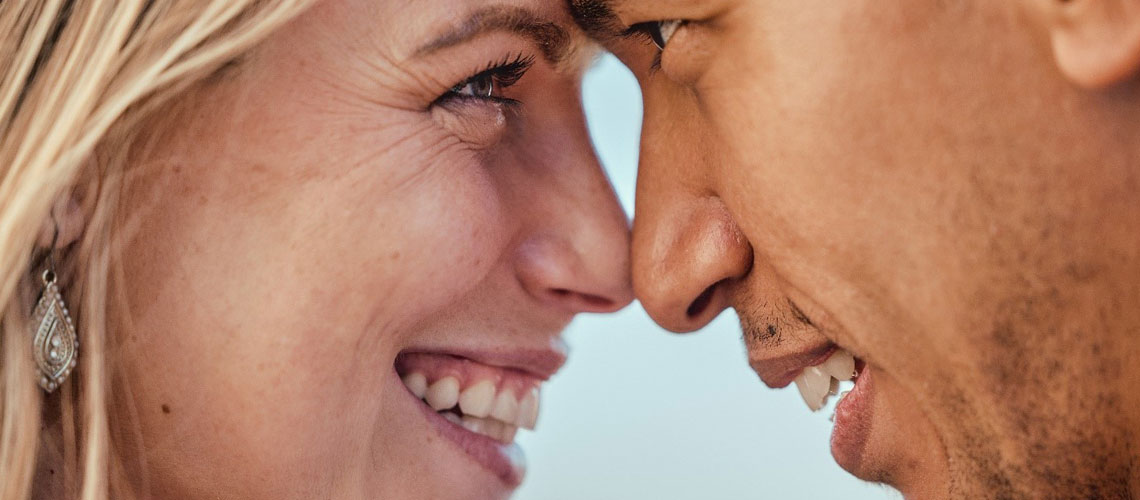
Eye contact is one of the most rudimentary and fundamental modes of human communication. Like facial expressions, body language and gestures it is a non-verbal form of communication, which is an essential component of social interaction, helping to establish and maintain relationships. We can communicate with our eyes without saying a word, and convey a variety of emotions, such as trust, interest, empathy, or aggression. Eye contact helps to establish rapport, express empathy, and demonstrate confidence and sincerity. All of these values can be relayed in the blink of an eye depending on how you look (or don’t look!) at someone. Words can take time to get to the point, while the eyes quickly express what one means. There are different types of eye contact, including dyadic eye gaze when one individual looks at another and triadic eye gaze when both people look at a shared object or person.      Eye contact serves an important social function for infants even before vocal responding begins to develop. The ability to make eye contact is innate, and it begins shortly after birth. New-borns pay more attention to faces with eyes gazing directly at them than faces with eyes looking away, helping them establish a bond with their caregivers. Children are affected to a large extent by how we look at them. What a child sees in our eyes is more powerful than what we say. This early interaction lays the foundation for future social development. Studies have shown that eye contact activates...
Continue reading
  1928 Hits
1928 Hits

WHAT TO CELEBRATE FIRST?


WHAT TO CELEBRATE FIRST?! <br>  
Who knew April was the month to celebrate so many things? And you know what? We don't want to miss a single one. So... If you live in the United Kingdom, it's National Pet Month for you. Hopefully you've already started feeding your animals on command, carrying them from place to place like royalty, letting them sleep on your bed (or on your face)... which, come to think of it, is what happens every month of the year. So why - some might ask - do animals get a national month, when every month of the year is built around meeting their needs? (As I write, I have two dogs staring at me expectantly even though they've already been fed, walked and pampered. And I won't even get started on the cat...) So if you don't feel your pets deserve a month of your unconditional servitude, there's always National Grilled Cheese month if you follow the American example. Again, does something so beloved all year round really deserve its own month? We're not here to judge. Let's face it, though. Some monthly observances are easier to celebrate than others. It's not hard to imagine the concerts and tributes that will no doubt mark Jazz Appreciation Month. But Mathematics and Statistics Month? Maybe not so easy to celebrate. The odds are that jazz will be appreciated more openly than mathematics. That is, of course, if you study a representative sample and calculate the probabilities. Jazz might win by a fraction, unless you...
Continue reading
  912 Hits
912 Hits

DIFFERENT LENS COATINGS FOR DIFFERENT VISUAL NEEDS


DIFFERENT LENS COATINGS FOR DIFFERENT VISUAL NEEDS
Everyone has different visual needs. With the advances in technology and continued improvements in lens coatings, it is possible to cater for each person's needs and lifestyle. A lens coating is a treatment that is added to glasses to enhance their performance, appearance, durability and longevity, while also providing protection for both your lenses and your eyes. There are many different types of coatings, each with their own benefits. CAN COATINGS BE ADDED TO ALL LENSES? Lens coatings can be applied to single vision, bifocal and progressive lenses. WHICH COATING WILL PROVIDE THE BEST PROTECTION FOR MY LENSES?       To protect your glasses and your vision, a scratch-resistant coating is highly recommended and is essential for children's glasses. Scratched lenses interfere with the clarity of vision, often leading to eye strain or headaches. Once a lens is scratched it needs to be replaced, as buffing out the scratches or resurfacing the lens changes the curvature and prescription. While no lenses are completely scratch proof, this coating makes them more resistant to scratches which prolongs their life. For added protection, store your glasses in a hard case and clean them with a microfibre cloth. Many lenses contain a built-in scratch-resistant or “hard coat”, usually with a warranty included. IS THERE A COATING THAT CAN PROTECT MY EYES? Over time, exposure to the ultraviolet rays from the sun can increase the risk of developing eye conditions such as cataracts and macular degeneration. Ultraviolet (UV) coating shields the eyes against these harmful...
Continue reading
  456 Hits
456 Hits

COULD YOUR EYES BE CAUSING YOUR DIZZINESS?


COULD YOUR EYES BE CAUSING YOUR DIZZINESS?
Vision problems such as eye strain can cause dizziness and balance problems. Balance is a complex task involving the interaction of three systems which work as a team to help us orient ourselves in space and keep us moving easily through our world. The vestibular system in the inner ear informs the brain about the head's position, motion and orientation in space. The proprioceptive system provides sensory feedback from muscles and joints about the body's position and motion. The eyes and their movement send information to the brain about the body's alignment and position in relation to its environment. The visual system helps regulate the other systems involved in maintaining balance. Any defect in the visual system or the healthy functioning of one of the other systems can lead to dizziness or a balance disorder. The strong connection between the eyes and the vestibular system means that eye problems negatively affect balance. Vision plays an important role in calibrating the vestibular system through the vestibulo-ocular reflex which stabilises the gaze while the head and body are in motion. A number of visual problems can cause dizziness and balance problems. While some of these are purely visual disturbances, others may be associated with other disorders. Conditions that may cause dizziness include eye misalignment, eye muscle weakness, stroke, head injury and incorrect spectacle or contact lens prescriptions.       In many cases, eye-related dizziness is due to binocular vision problems, the inability of the eyes to work together. When a person's eyes...
Continue reading
  1047 Hits
1047 Hits

EYE-MAZING!


EYE-MAZING! <br>  
The human eye provides us with the ability to experience the world in ways that our other senses cannot. The only organ more complex than the eye is the brain which processes and interprets the information gathered by the eyes. INTERESTING PERSPECTIVE Because the cornea at the front of the eye is curved, it bends the light that enters the eye, and the image is focused upside down and backwards on the retina. The brain interprets the image and reorients it so that we perceive it right way up. Having two eyes gives us depth perception. The brain computes distances by comparing the different images from each eye. PROTECTIVE FEATURES       The eye is one of our most fragile organs which is protected by the skull and facial features. The eye socket is hollow and depressed into the skull protecting half the eye within bone. 80% of the human eye is made of a firm jelly-like fluid called vitreous humour that is vital to eye health and function. This clear, colourless substance fills the space between the lens and the retina, maintaining the eye's shape and keeping the fragile retina in place. The eyelids shield the eye from light and particles and the eyebrows divert sweat from the eyes. Eyelashes create a filter for dust and other particles and also act as a sensor, triggering the eyelid to close when necessary. The lifespan of an average eyelash is 5 months, while the rest of the hair lasts 2-4 years....
Continue reading
  1253 Hits
1253 Hits

MILESTONES OF VISION DEVELOPMENT


MILESTONES OF VISION DEVELOPMENT
The visual system is the most complex sensory system in the human body, but is the least mature at birth, constantly changing and evolving as the child grows and develops. Although babies are born with the structures for sight, they need to learn to use them over time. While having a basic timeline for vision development is a helpful guide for parents to know what to expect at certain ages, it is important to recognise that children reach their developmental milestones at their own pace, and that some stages may overlap. In utero, the baby's eyes begin growing at about week 4 of pregnancy. Although he can perceive light at about week 16, the eyelids remain closed until 26 weeks. Visual development begins the moment the baby is born and develops rapidly. At birth the world appears fuzzy but will go from blurry to bright in a few months. Some new-borns look directly at a face after birth, while others keep their eyes tightly shut. BIRTH TO ONE MONTH       At first all the baby will be able to see is the distance from the caregiver's arms to their face, about the distance from his face to the face of the person feeding him. By two to three weeks, he will begin to focus on faces for a few seconds. As he focuses for longer, he will begin to make eye contact. The baby sees only in black and white, and shades of grey because the nerve cells in...
Continue reading
  2268 Hits
2268 Hits

SMOKING vs. VAPING


SMOKING vs. VAPING <br>  
The effects of smoking and its connection to many significant health conditions are well-documented. Perhaps less well known is the impact smoking has on eye health and vision. Not only does smoking damage parts of the eye critical for maintaining clear vision, it also increases the risk for the development of eye diseases such as cataracts, macular degeneration, diabetic retinopathy and dry eye. Vaping and e-cigarettes have become a popular alternative to smoking, and while the research on the impact of vaping is not as extensive as tobacco studies, the results so far indicate that it, too, has damaging effects on both general and eye health. VISION PROBLEMS CAUSED BY SMOKING DRY EYE Cigarettes contain thousands of chemicals, including many irritants that can leave the eyes red, burning, or watery. Cigarette smoke breaks down the lipid layer of the tear film that acts as a barrier against the environment, resulting in dry eye, not only for the smoker but for others exposed to the second-hand smoke. While dry eye does not cause permanent damage, it can be uncomfortable, particularly for contact lens wearers. MACULAR DEGENERATION Smokers are more likely to develop damage to their retinas, including age-related macular degeneration (AMD) which causes irreversible damage to the macula, resulting in a loss of central vision and the ability to discern fine details. This severely impacts reading, driving, facial recognition and many daily activities. As well as reduced blood flow to the retina, smokers have been found to have lower levels of the...
Continue reading
  1321 Hits
1321 Hits